
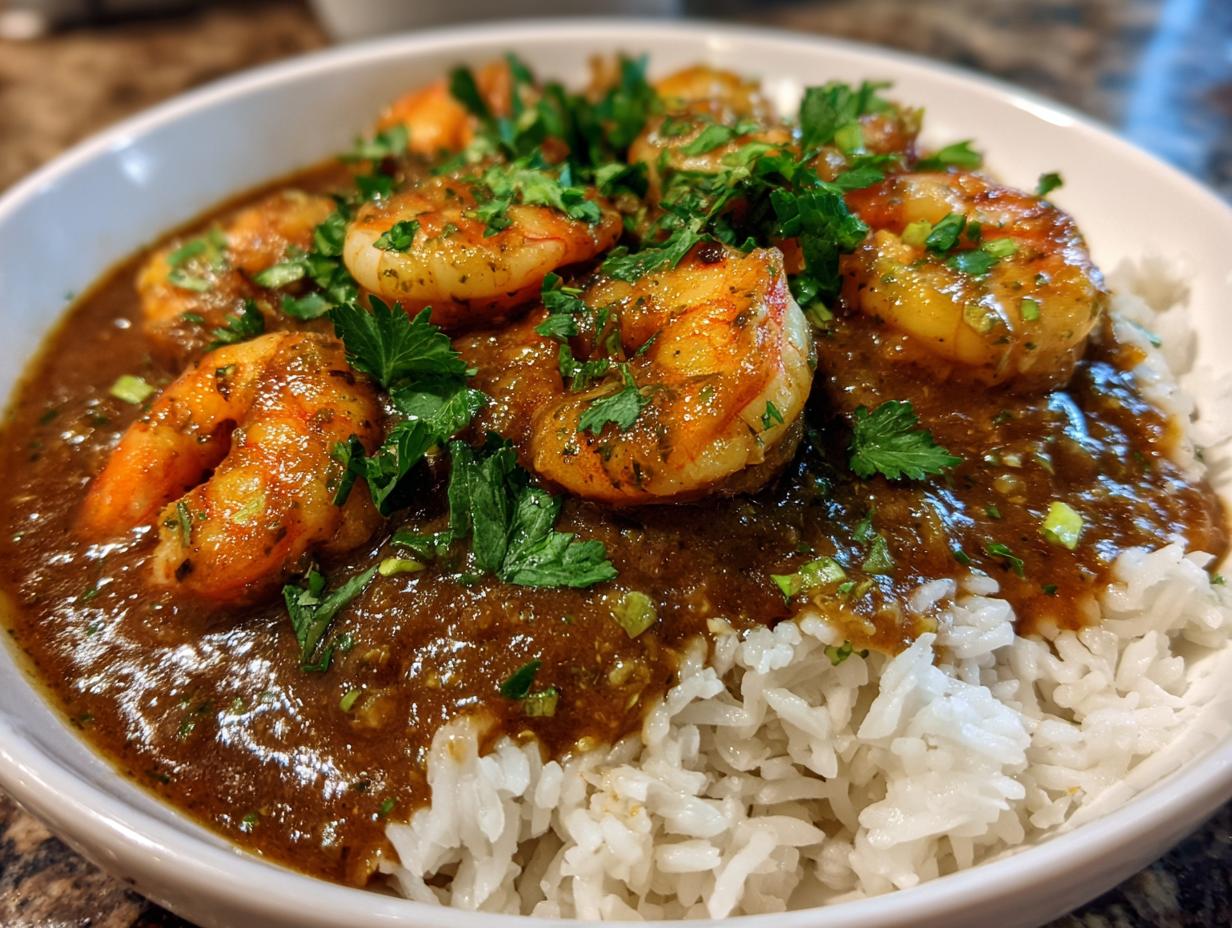

Welcome, friends! If you’re chasing that deep, soulful flavor that only true Southern cooking can deliver, you’ve landed in the right spot. There’s nothing quite like the moment you take that first bite of perfectly seasoned **shrimp etouffee**, rich and savory, served piping hot over rice. It’s pure comfort, a taste of New Orleans magic right in your own kitchen. I’m Sarah, and while my heart belongs to the classics I learned growing up, exploring vibrant, nuanced dishes like this étouffée is how I truly connect food to tradition. I’ve spent a lot of time perfecting the trickiest part—the roux—so you don’t have to guess. Trust me, this recipe is going to bring down the house. Head over to my blog for more stories!
- Why This Authentic Shrimp Etouffee Recipe Works (Best Shrimp Comfort Food)
- Gathering Ingredients for Classic Shrimp Etouffee
- How to Make Roux for Seafood and Build Your **Shrimp Etouffee**
- Tips for Success When Making Traditional Cajun Dinner
- Serving Suggestions for Your Flavorful Rice Topping Dish
- Storage and Reheating Instructions for Leftover Shrimp Etouffee
- Frequently Asked Questions About Authentic Louisiana Cooking
- Estimated Nutritional Data for This Spicy Seafood Stew
- Share Your New Orleans Dinner Ideas
Why This Authentic Shrimp Etouffee Recipe Works (Best Shrimp Comfort Food)
When you’re looking for a truly satisfying meal, you need more than just ingredients; you need technique. This isn’t just another stew; it’s the **best shrimp comfort food** because we nail the fundamentals of **Authentic Louisiana cooking**. If you’re looking for a show-stopping main course, I promise this delivers. You can explore more of my favorite dinner recipes over at my dinner category!
- We achieve that signature deep molasses background flavor that store-bought mixes just can’t touch.
- The Holy Trinity (onion, celery, bell pepper) is sautéed just right, sweating out all its beautiful natural sugars.
- We refuse to rush the shrimp; they cook fast, ensuring they stay tender and sweet.
The Secret to Deep Flavor in Your Shrimp Etouffee
Honestly, if you cheat on this step, it won’t taste right. The absolute non-negotiable foundation for any true **shrimp etouffee** is the roux. We’re not aiming for blonde; we are going for a deep, rich brown—think milk chocolate! This takes time, usually 20 to 30 minutes of constant stirring, but it is essential. A dark roux is what gives you that smoky depth and incredible body to the whole sauce. It’s the difference between eating something good and eating something that tastes like it came straight from the bayou.
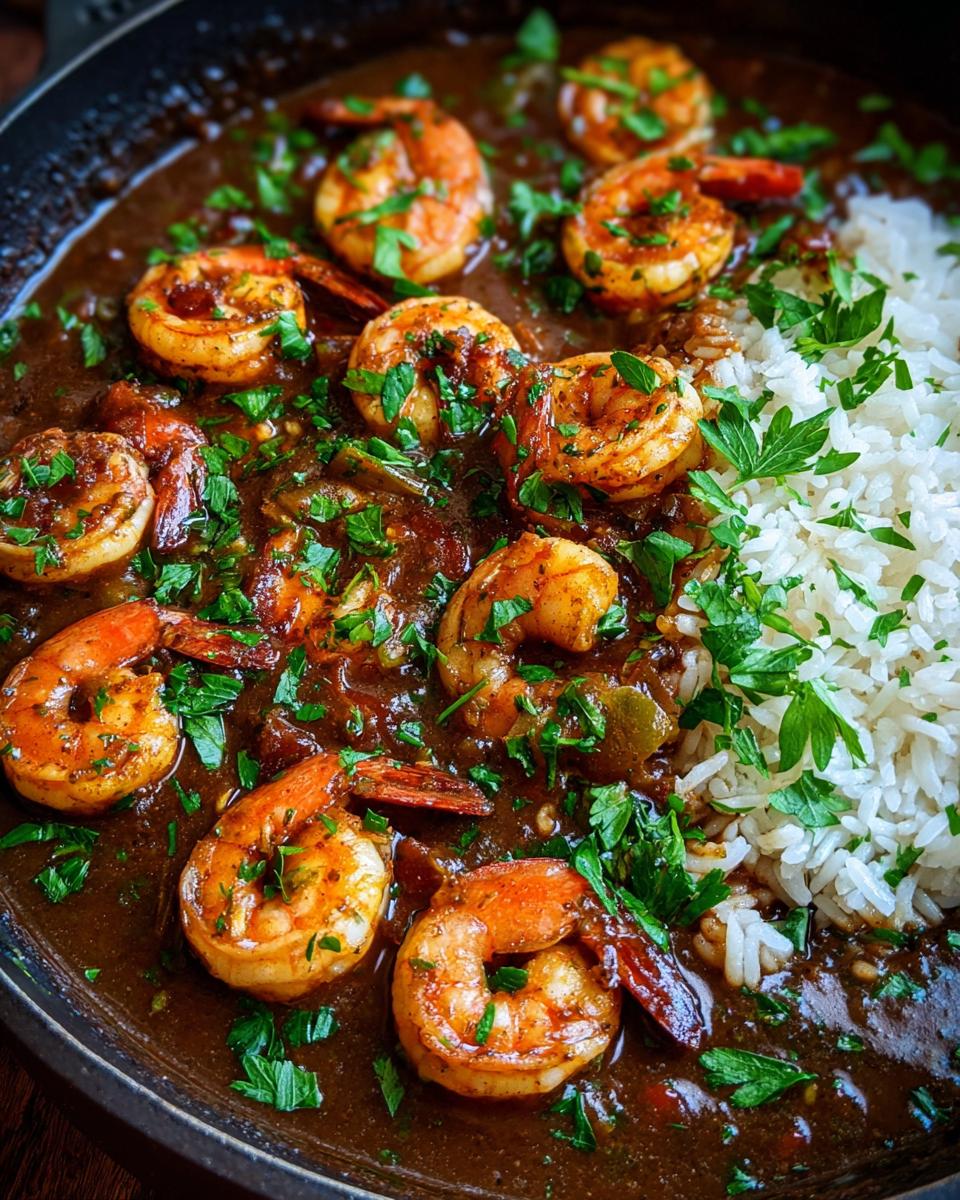
Gathering Ingredients for Classic Shrimp Etouffee
Okay, now that we’ve talked about the flavor foundation—that non-negotiable dark roux—let’s get our cast of characters ready! You need quality ingredients here because the simpler the dish, the more each component has to shine. Don’t just toss everything in the pot; preparation matters!
Here is exactly what you’ll need to make enough **shrimp etouffee** for about four hungry people. Remember, we are making a big, satisfying bowl of flavor here, not skimping!
- One pound of large shrimp, peeled and deveined. We want them ready to jump right into that beautiful sauce at the end.
- You need half a cup of all-purpose flour and half a cup of vegetable oil for starting our roux. The oil helps the flour move around easily while we cook it down low and slow.
- The Holy Trinity: One large yellow onion, one cup of celery, and one cup of green bell pepper—all chopped up nice and neat. These cook into the base of the sauce, so chop them evenly!
- Three cloves of garlic, minced fine. Garlic wakes everything up, so don’t be shy here.
- A quarter cup of tomato paste. This will deepen the color and add a necessary little zing of acidity once it toasts up a bit.
- Four cups of good stock. I always prefer seafood stock if I can find it, but chicken stock works perfectly well in a pinch.
- For the herbs, grab one teaspoon of dried thyme, one teaspoon of dried oregano, and about half a teaspoon of cayenne pepper. You can always add more heat later, but you can’t take it out!
- One bay leaf for background depth, and of course, salt and black pepper for seasoning as we go.
Ingredient Notes and Substitutions for Your Creole Etouffee Guide
My biggest tip, especially when you are learning **Authentic Louisiana cooking**, is to use the freshest vegetables you can find. The power of this **Creole etouffee guide** comes from how those three vegetables—the trinity—release their moisture and sweetness when they sweat down in the roux.
Now, let’s talk seafood! While this is a **shrimp etouffee** recipe, I want you to know you have options. If you want to make this truly traditional, you can absolutely swap out that pound of shrimp for peeled crawfish tails. They give the dish a slightly earthier, richer flavor that is amazing. Either way, just make sure you add them at the very end because both shrimp and crawfish cook unbelievably fast. Overcooking them is the fastest way to ruin this incredible meal!
How to Make Roux for Seafood and Build Your **Shrimp Etouffee**
Alright, this is where we earn our stripes! Making étouffée means learning the language of the roux, and trust me, it’s worth every minute you spend standing over that hot pot. If you’re nervous about the roux part, don’t be! It requires patience, not genius. Once you nail this technique, you’ll want to try it for gumbo too; it’s the secret handshake for all good Louisiana cooking. Check out my guide on making red beans and rice for another great technique-driven dish!
Step-by-Step: Creating the Perfect **Cajun Shrimp Recipe** Base
First things first: season your shrimp lightly now and set them aside. We want them ready but not yet cooked. Now, grab your heavy pot—a Dutch oven is perfect—and heat up that oil over medium heat. Add the flour and start whisking immediately. This is your workout for the next half hour! You absolutely must keep whisking constantly so nothing burns on the bottom. We are aiming for that beautiful, deep, chocolate brown color. Seriously, if you see anything darker than chocolate, pull it off the heat right away—a burnt roux tastes bitter and you’ll have to start over! Don’t worry if it takes 25 minutes; that’s normal for this rich color.
The *second* that roux hits that deep brown, you need to drop the heat slightly and immediately dump in your Holy Trinity: the onion, celery, and bell pepper. The sizzle should calm down instantly because those veggies cool the roux just enough so it doesn’t burn while the vegetables sweat. Stir them around until they are soft, just about 8 to 10 minutes. Then toss in your minced garlic and that tomato paste. Cook that paste for a quick minute or two until it darkens up—that helps concentrate the tomato flavor. You know you’re doing it right when your kitchen smells incredible!
Simmering and Finishing the **Shrimp Etouffee**
Next, we start building the liquid sauce for your **shrimp etouffee**. Slowly start pouring in that stock, whisking steadily the whole time. If you dump it all at once, you’ll get lumps, and nobody wants lumpy étouffée! Once the stock is incorporated and it looks smooth, toss in your thyme, oregano, cayenne, and that bay leaf. Bring this lovely mixture up to a gentle simmer, then turn the heat way down low. Cover the pot, but not completely airtight, and let it mingle for at least 30 minutes. This slow simmer is where all those flavors really marry!
When that simmering time is up, pull out the bay leaf—it’s done its job. Now for the grand finale: Gently slide those prepared shrimp into the sauce. They only need three to five minutes! Seriously, look for them turning bright pink and opaque, and then they are *done*. If you leave them in too long, they get tough and spongy, and that’s a tragedy for a classic shrimp etouffee. Taste it now for salt and pepper. You’ll probably need a little more salt to pull all that earthy flavor forward. Be sure to check out this original recipe if you want to compare notes!
Tips for Success When Making Traditional Cajun Dinner
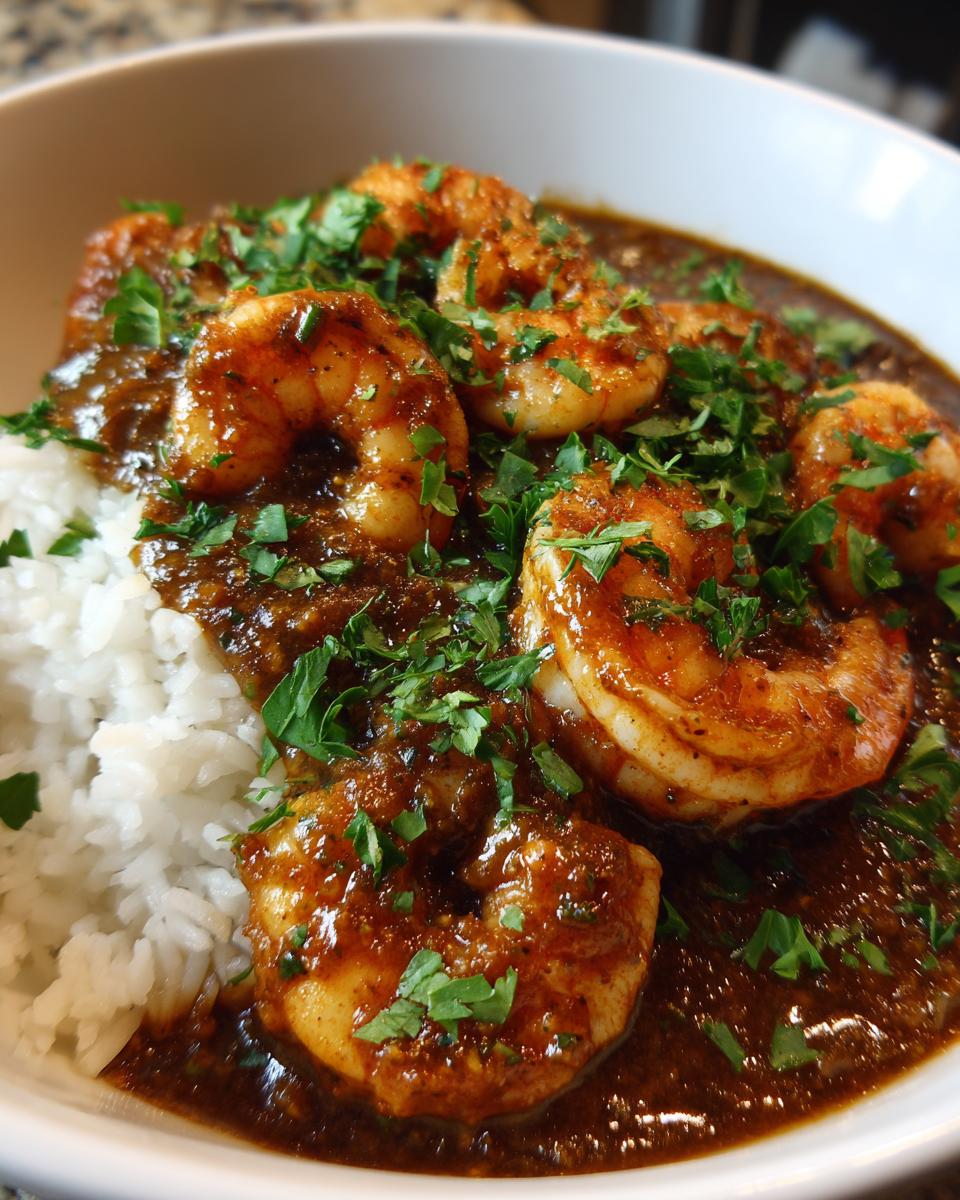
So, you’ve made it through the roux and timed your shrimp perfectly. Fantastic! Now, let’s nail those final touches to ensure your **Traditional Cajun Dinner** is absolutely flawless. I’ve gathered a few things I learned the hard way so you can skip the trial and error. When you’re deep into Louisiana cooking, those little adjustments make all the difference between good and unforgettable.
First up: If you followed the simmering time—and I really hope you did—your sauce should be thick enough. But, if you’re feeling like it’s a little thin, don’t panic and add more flour! That will change the flavor profile completely. Instead, use a small slurry. Just mix one tablespoon of cornstarch with two tablespoons of cold water until it’s smooth, and then stir it slowly into your simmering étouffée. It thickens beautifully right there on the heat. It’s a great little trick to keep in your back pocket, just like the experts do!
When it comes to seasoning, remember that classic dishes like this **shrimp etouffee** need a final taste test right before serving. The stock you use can vary wildly in its sodium content, so you might need more salt or pepper than I listed. Always taste. If it tastes dull, it usually needs acid or salt. A tiny squeeze of fresh lemon juice at the very end can sometimes wake up the whole pot, too! It won’t taste like lemon; it just brightens everything up. I always keep a batch of cheese straws ready for dipping alongside, though that’s a Midwestern addition to a Cajun classic!
If you are aiming for that deeply flavored experience that the folks over at Berry Chefy champion, patience is key leading up to that final simmer. Don’t forget: the longer that roux and trinity sit together with the stock before the shrimp go in, the better your final flavor payoff will be. It’s a slow dance that results in the best, most savory sauce!
Serving Suggestions for Your Flavorful Rice Topping Dish
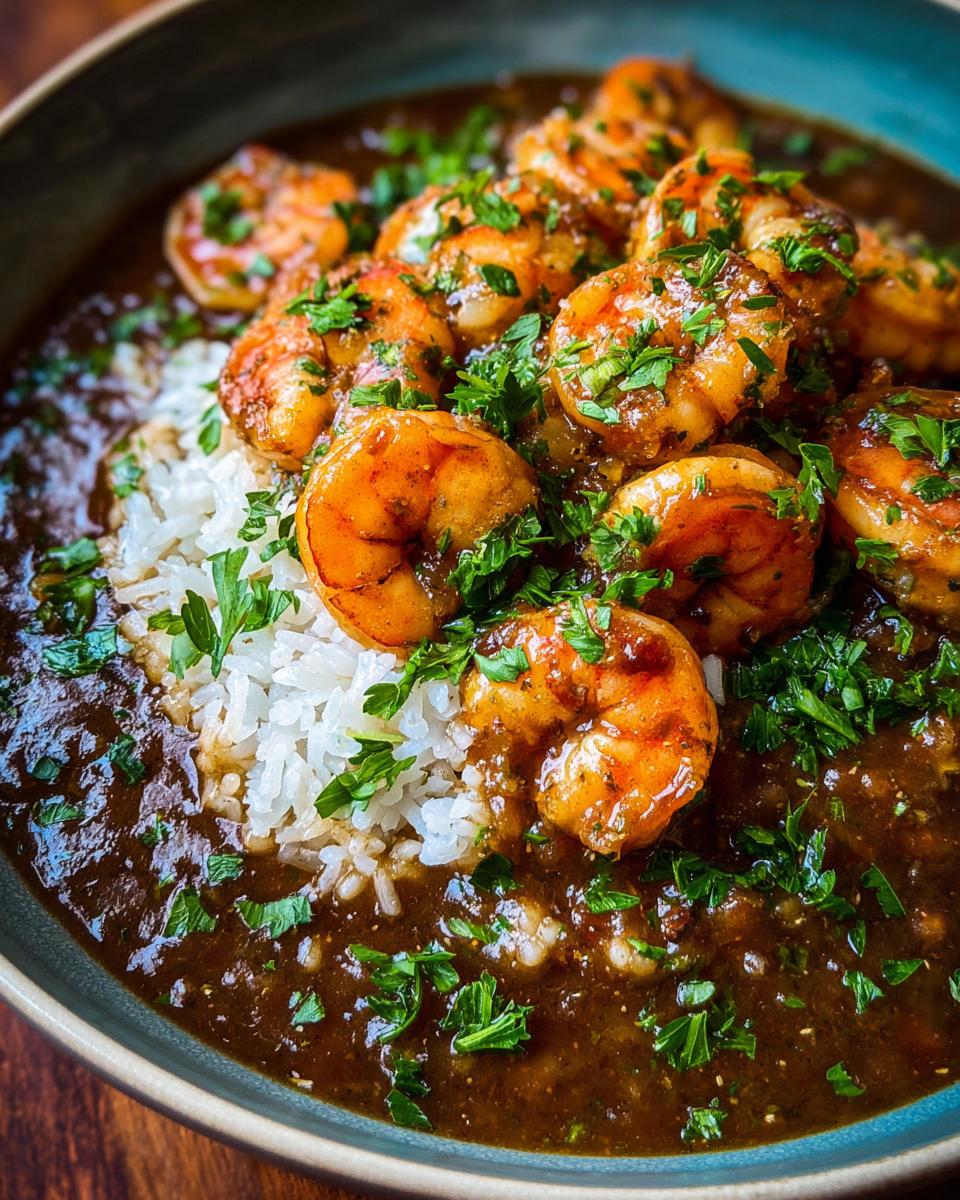
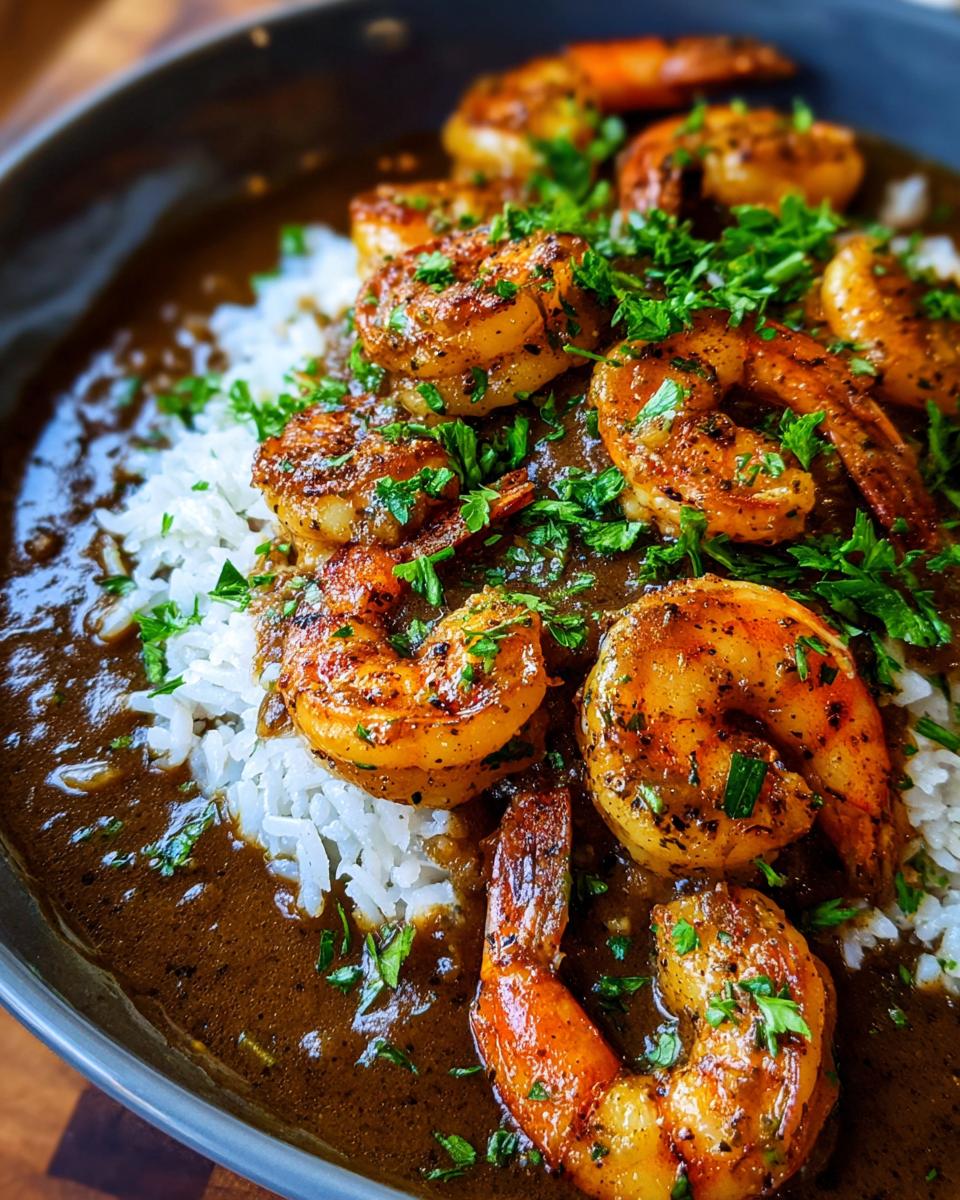
We’ve done the hard work! We made the roux, we built the flavor, and the shrimp are perfectly tender. Now we get to the best part: presentation! A **shrimp etouffee** isn’t truly complete until it’s properly served. This dish is rich, it’s velvety, and it is definitely designed to be a **flavorful rice topping dish**. You need something ready to soak up every last bit of that savory sauce.
The classic way, and honestly, the only way I ever serve it, is over hot, fluffy white rice. I mean it—hot! The heat of the rice helps the sauce coat everything beautifully. If you’re going to the effort of making this **Cajun shrimp recipe**, don’t grab instant rice. A long-grain white rice cooked until it’s perfectly separate is what you want. If you need a foolproof way to make amazing rice that complements everything, you should check out my recipe for easy garlic butter rice; it adds just a touch of richness without overshadowing the étouffée itself.
Don’t forget the garnish! It adds that final pop of color and freshness that cuts through the richness of the roux. I always finish mine with a generous shower of freshly chopped parsley—the recipe calls for it, but I double the amount honestly. Green against that rich, brownish-red sauce just looks stunning. I also keep a little bottle of Tabasco or your favorite Cajun hot sauce right on the table. Everyone likes their heat levels differently, and letting people customize that last bit of spice is always a good host move.
As for what to eat *with* it? Since an étouffée is already quite hearty and filling spooned over rice, sides are usually light. A simple green salad with a sharp vinaigrette works wonders to cleanse the palate between bites. Or, if you want to lean into the Southern theme, a side of crusty French bread for mopping up the bowl is never a bad idea!
Storage and Reheating Instructions for Leftover Shrimp Etouffee
Oh, the happy problem: leftovers! If you managed not to eat every single drop of your **shrimp etouffee**—which, honestly, I struggle with every time—you need to store it correctly. This rich, roux-based sauce holds up surprisingly well, but we have to treat the shrimp gently so they don’t turn rubbery when we bring it back to life the next day. We want that savory sauce to taste just as good as it did fresh off the stove!
For storage, always let the étouffée cool down completely before putting it away. Don’t let it sit on the counter for more than two hours; food safety first, always! Once cool, transfer the étouffée to an airtight container. If you didn’t serve it over rice, store the sauce and the rice separately. This is important because rice can absorb too much liquid when stored together. It should keep beautifully in the refrigerator for about three to four days. Anything longer than that, and I’d start thinking about freezing it.
Making it Great Again on the Stovetop
Reheating is best done slowly on the stovetop. Seriously, don’t try microwaving this if you can help it; the microwave tends to blast the shrimp into oblivion! Pour the desired amount of leftover **shrimp etouffee** back into a saucepan over medium-low heat. You might notice the roux has settled a bit, but just whisk gently as it heats through. If the sauce seems too thick after refrigeration—and it probably will be because that roux is doing its job—whisk in a little splash of water or stock until you get back to that perfect, velvety consistency.
Once the sauce is hot and simmering gently, add your shrimp back in. This is the crucial part: only cook them until they are just warmed through, about three minutes *maximum*. If you simmer them for too long in this second heating, they turn tough. As soon as they are heated through, pull the pot right off the burner. Serve immediately over fresh, hot rice for the best experience, just like you did the first night!
Can I Freeze Shrimp Etouffee?
Yes, you absolutely can freeze it for those days when you just need a taste of Louisiana immediately! Freeze the sauce mixture (without the final batch of shrimp if you can manage it, though it’s fine if they are in there). Use a heavy-duty freezer bag or a shallow, rigid container to allow for quick, even freezing. It’s good frozen for up to two months. When you’re ready to eat it, thaw it overnight in the fridge, reheat gently on the stove as described above, and buy some fresh shrimp to add right at the end. Adding fresh shrimp back in once it’s thawed and heated ensures you keep that perfect, tender texture we worked so hard to achieve!
Frequently Asked Questions About Authentic Louisiana Cooking
I know that diving into **Authentic Louisiana cooking** can feel a bit intimidating, especially when dealing with a roux! But that’s what I’m here for—to make the complex feel easy and accessible. We want your results to taste truly authentic, whether you’re making this for a big **Mardi Gras** party or just a cozy Tuesday night dinner. If you love these hearty flavors, you might also want to check out my recipe for sourdough cornbread—it’s amazing for soaking up savory sauces!
What is the longest I should cook the roux?
This is the *most* asked question, and for good reason! For a deep, flavorful sauce, you should plan on cooking the roux for at least 25 to 30 minutes over medium heat, whisking constantly. You are looking for a color similar to milk chocolate or a dark penny. If you are trying to achieve the deep flavor profile seen in some of the best recipes, like the one from Bake Crest, you simply cannot rush this step. If you start seeing black flecks, you’ve gone too far, and it’s time to start over!
How hot should my final spicy seafood stew actually be?
Spice level is always personal, but for a true **spicy seafood stew** authentic to Cajun style, I like to start with half a teaspoon of cayenne pepper. That gives you a nice warmth in the background. If you love heat, use a full teaspoon! The best part is that you add most of the spice before the long simmer, so the heat really builds into the sauce. Taste it right before you add the shrimp, and if you feel it needs a kick, stir in some extra cayenne or a dash of your favorite cayenne pepper-based hot sauce. It’s easier to adjust it at the end, just before serving.
Can I use store-bought stock instead of making my own?
Absolutely! When I’m putting together a quick **New Orleans dinner idea** on a weeknight, I always reach for store-bought stock. For this dish, seafood stock is ideal because it complements the shrimp best. If you can’t find seafood stock, a good quality, low-sodium chicken stock is a wonderful substitute. Just make sure whatever stock you use is flavorful—it becomes the body of your sauce once mixed with the roux, so weak stock equals weak flavor!
My roux separated when I added the vegetables. What went wrong?
Oops! That usually means your heat was too high when you added the Holy Trinity, or you dumped the veggies in all at once without stirring fast enough. The vegetables cool the roux down, but if the temperature shock is too great or you don’t incorporate them fast enough, the oil and flour can separate. The key is to add your onion, celery, and pepper *immediately* after reaching your color goal, and lower the heat slightly as you stir them in well. It might look a little messy for a second, but keep stirring! It should come back together as the vegetables release their liquid and absorb the fat.
What should I serve alongside this dish for a traditional Cajun dinner?
The most traditional accompaniment for any **traditional Cajun dinner** like this is, hands down, simple, perfectly cooked white rice used as a base. Beyond that, you want something fresh to cut the richness. A simple Louisiana-style coleslaw or a bright, acidic green salad is perfect. If you’re looking for bread, skip the fancy garlic bread and go for crusty French bread—it’s perfect for dipping and making sure not a single drop of that incredible sauce is left behind on your plate!
Estimated Nutritional Data for This Spicy Seafood Stew
Okay, real talk time: when you’re cooking something this rich, flavorful, and deeply satisfying, you are not making it for a diet! This **spicy seafood stew** is full of healthy protein from the shrimp and the flavor base comes from oil and flour which, yes, adds up the calories. But wow, is it worth it for a truly authentic experience. I want to be super upfront with you: the numbers below are just estimates, and remember, they **do not include that essential cup of white rice** you’ll be pouring it over!
When looking at these figures, think about what’s making up the bulk of the nutrition. You’re getting a huge amount of protein from those beautiful shrimp, which is why this is such a filling meal. The fats come primarily from the oil we use to build that necessary dark roux base.
Here is the estimated breakdown for one serving size (without the rice, just the étouffée sauce and shrimp):
- Serving Size: 1 serving (without rice)
- Calories: Around 450
- Protein: A hearty 32 grams!
- Fat: About 25 grams total fat
- Saturated Fat: Usually around 5 grams
- Carbohydrates: Roughly 25 grams
- Fiber: Maybe 4 grams
- Sugar: Thankfully quite low, usually around 4 grams (mostly natural sugars from the vegetables)
- Cholesterol: This runs a bit high, around 250 mg, due to the shrimp itself.
If you are watching your sodium intake, that’s something to keep an eye on because the stock, plus the added salt for seasoning, adds up quickly. Just be mindful when seasoning! This is comfort food at its best, so enjoy it for the celebratory, **Classic Southern cuisine** that it is. Don’t stress the numbers too much—just enjoy that rich flavor!
Share Your New Orleans Dinner Ideas
And there you have it! My complete guide to making a truly authentic **shrimp etouffee** that tastes like it simmered all day long on a back porch in Louisiana. Wow, I truly hope you feel confident enough to tackle that roux now! That deep, dark flavor is the heart of **Authentic Louisiana cooking**, and I know you can nail it. I always tell people that a recipe is just the starting point; the real magic happens when you pour your own love and experience into it.
I absolutely live for hearing about your kitchen adventures! Did that roux turn out the perfect shade of chocolate milk? Did you use shrimp or crawfish this time around? Please, please leave me a comment below. Knowing that you tried this classic dish and brought some amazing **New Orleans dinner ideas** to your own table makes my day!
If you loved this savory, vibrant dish, you should check out some of my other Southern-inspired favorites, like this classic pea salad recipe—it’s the perfect cool contrast to a spicy stew! And if you snap a photo of your beautiful, steaming bowl of étouffée, tag me on social media! I love seeing how you are all making these traditions your own. You can see an example of a fantastic finished dish over at Cravings Some Creativity!
Thank you again for cooking with me today. I hope this **shrimp etouffee** becomes a regular comfort meal in your rotation. Warmly,
Sarah Peterson
PrintAuthentic Cajun Shrimp Etouffee Recipe

Make classic New Orleans Shrimp Etouffee from scratch. This recipe focuses on building a deep, rich roux and using the holy trinity for true Louisiana flavor.
- Prep Time: 20 min
- Cook Time: 50 min
- Total Time: 70 min
- Yield: 4 servings 1x
- Category: Dinner
- Method: Stovetop Simmering
- Cuisine: Cajun/Creole
- Diet: Low Lactose
Ingredients
- 1 pound large shrimp, peeled and deveined
- 1/2 cup all-purpose flour
- 1/2 cup vegetable oil
- 1 large yellow onion, chopped
- 1 cup celery, chopped
- 1 cup green bell pepper, chopped
- 3 cloves garlic, minced
- 1/4 cup tomato paste
- 4 cups seafood or chicken stock
- 1 teaspoon dried thyme
- 1 teaspoon dried oregano
- 1/2 teaspoon cayenne pepper (adjust to your heat preference)
- 1 bay leaf
- Salt and black pepper to taste
- 1/4 cup chopped fresh parsley, for garnish
- Hot cooked white rice, for serving
Instructions
- Prepare the shrimp: Season the peeled shrimp lightly with salt and pepper. Set aside.
- Make the roux: In a heavy-bottomed pot or Dutch oven, combine the flour and oil over medium heat. Whisk constantly until the mixture darkens to a deep, rich brown color, similar to milk chocolate. This step requires patience; do not rush it. This takes about 20 to 30 minutes.
- Sauté the trinity: Once the roux reaches the desired color, immediately add the chopped onion, celery, and bell pepper (the holy trinity). Cook, stirring frequently, until the vegetables soften, about 8 to 10 minutes.
- Add aromatics and paste: Stir in the minced garlic and tomato paste. Cook for 2 minutes until the tomato paste darkens slightly.
- Build the sauce: Slowly whisk in the seafood stock, a little at a time, ensuring the roux dissolves smoothly into the liquid without lumps.
- Season the etouffee: Add the thyme, oregano, cayenne pepper, and bay leaf. Bring the mixture to a simmer, then reduce the heat to low. Cover and cook for at least 30 minutes, allowing the flavors to meld. Stir occasionally to prevent sticking.
- Finish the dish: Remove the bay leaf. Add the seasoned shrimp to the simmering sauce. Cook just until the shrimp turn pink and opaque, about 3 to 5 minutes. Do not overcook the shrimp.
- Adjust seasoning: Taste the etouffee and add salt and black pepper as needed.
- Serve: Ladle the hot Shrimp Etouffee over servings of white rice. Garnish with fresh parsley.
Notes
- For an authentic Cajun flavor, take your time making the roux. A dark roux is the foundation of this dish.
- If you prefer a thicker sauce, you can create a small slurry of 1 tablespoon cornstarch mixed with 2 tablespoons cold water and stir it into the simmering etouffee near the end.
- You can substitute peeled crawfish tails for shrimp if desired for a traditional Creole etouffee variation.
Nutrition
- Serving Size: 1 serving (without rice)
- Calories: 450
- Sugar: 4
- Sodium: 650
- Fat: 25
- Saturated Fat: 5
- Unsaturated Fat: 20
- Trans Fat: 0
- Carbohydrates: 25
- Fiber: 4
- Protein: 32
- Cholesterol: 250