
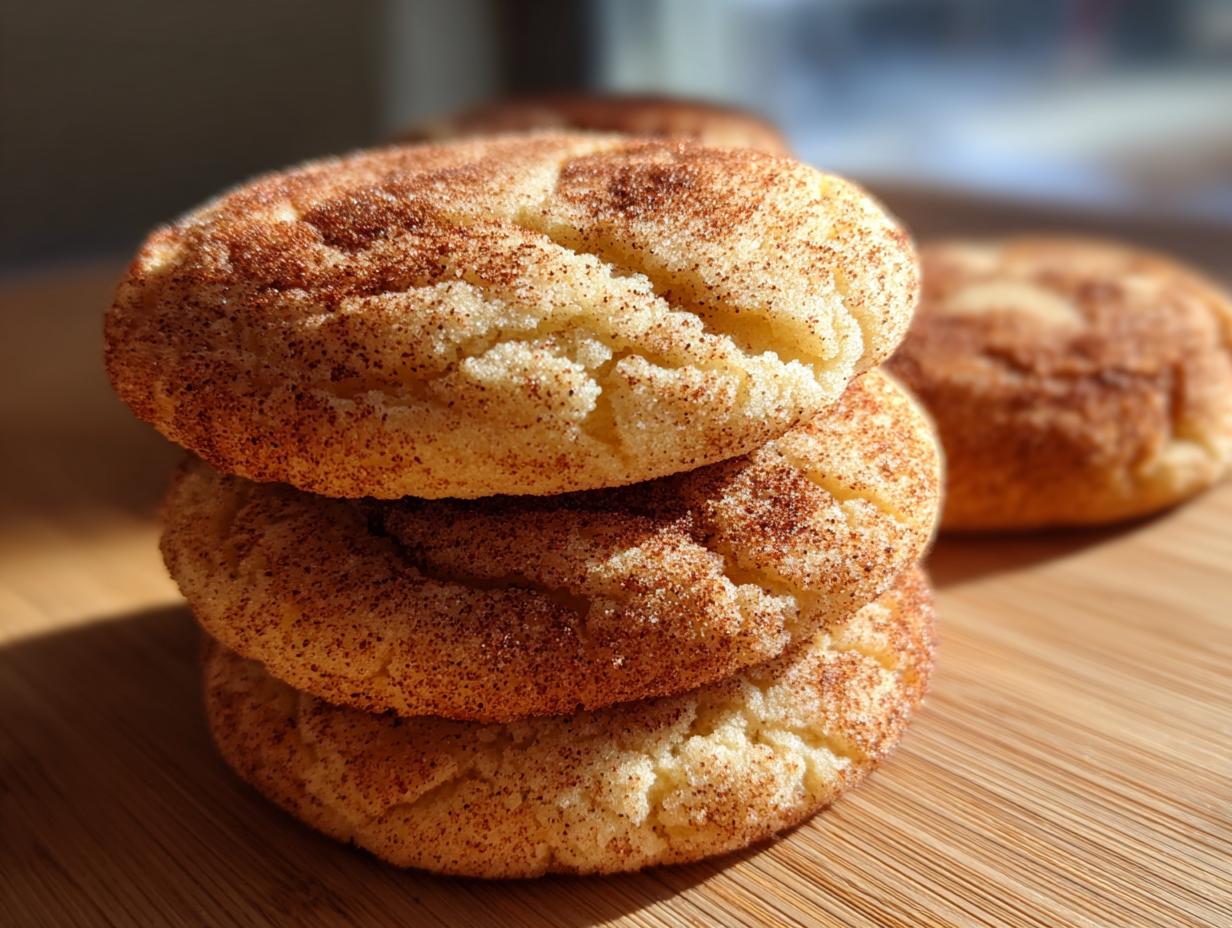

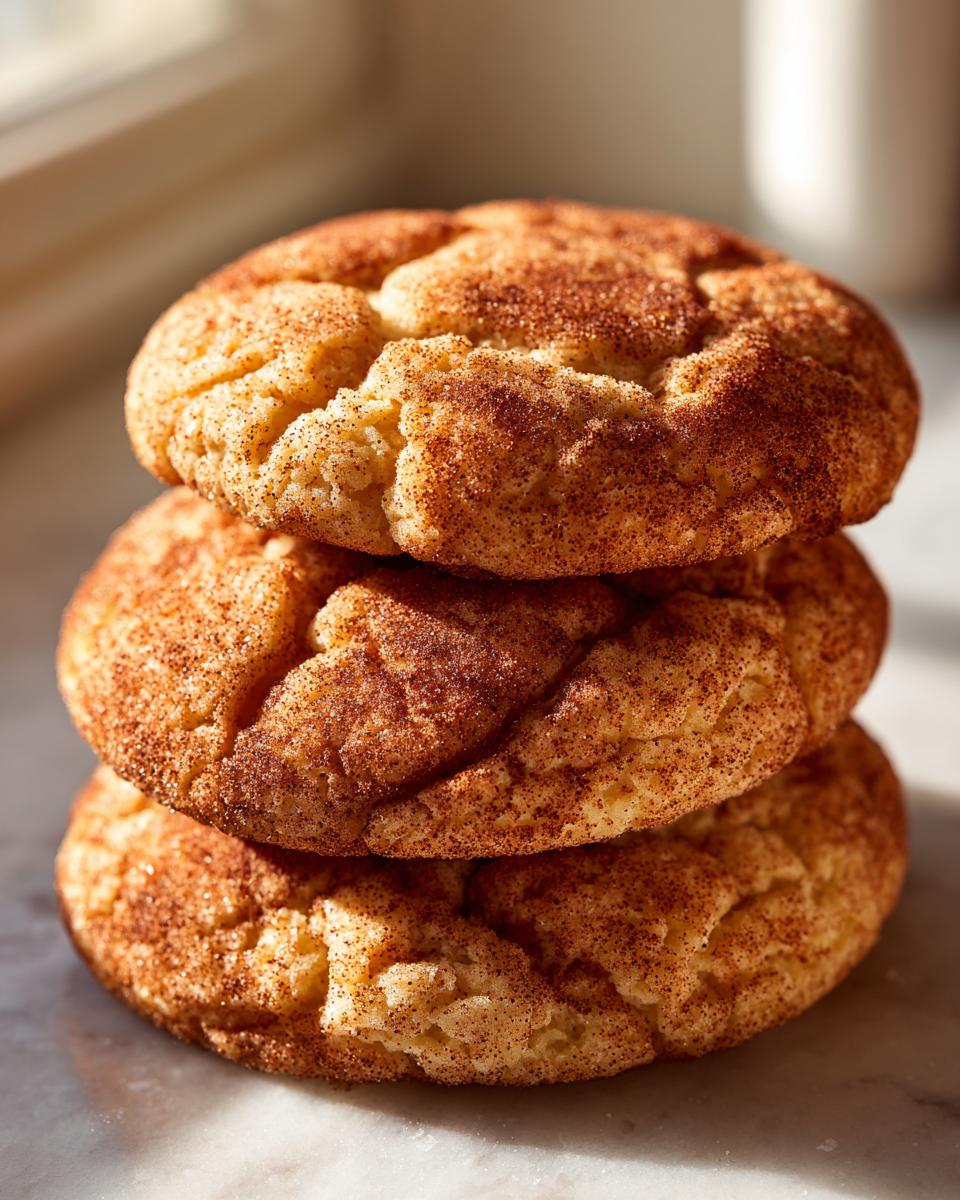
Welcome! I’m Sarah, and I’m so happy you’re here. If there’s one cookie that instantly brings me back to my childhood kitchen, it’s the perfect snickerdoodle. Forget those flat, hard versions you sometimes find; we are making the absolute best classic soft and chewy snickerdoodle recipe, the kind that has that wonderful, slight tang and the irresistible cinnamon sugar crackle top. After years of testing and tweaking recipes from my family’s old recipe box, I’ve nailed the non-negotiable steps. As a passionate home baker here at Cut Cook Taste, I promise this simple recipe, relying on just a few pantry staples, will become your go-to family favorite!
- Why This is the Best Classic Snickerdoodle Recipe
- Ingredients for Your Homemade Snickerdoodle Cookies
- Essential Ingredient Notes and Substitutions for Snickerdoodle Success
- How to Prepare the Best Snickerdoodle Recipe Step-by-Step
- Tips for Success: Mastering the Classic Snickerdoodle
- Storage and Reheating Instructions for Soft Snickerdoodle Cookies
- Serving Suggestions for Your Buttery Cinnamon Cookies
- Frequently Asked Questions About Making Snickerdoodles
- Nutritional Information Estimate for This Snickerdoodle Recipe
Why This is the Best Classic Snickerdoodle Recipe
So, why is this the recipe you should trust? Honestly, it’s all about that texture and that signature *zing*. We aren’t messing around with dry, forgettable cookies here! This is the ultimate homecoming treat. If you’re tired of wrestling with hard, flat cookies, you’ve come to the right place. This recipe hits all the marks for what a truly great snickerdoodle should be.
- Unbeatable Chewiness: We nail that incredible balance between a soft, gooey center and just enough crispness around the edges.
- That Signature Tang: Thanks to one key ingredient (which I’ll get into later!), these have that subtle tartness that makes them irresistible.
- Maximum Cinnamon Coverage: We coat these babies generously before they even see the oven!
Achieving the Perfect Soft Snickerdoodle Cookies Texture
The secret to truly Soft Snickerdoodle Cookies lies in two things: the cream of tartar, which acts as a stabilizer and tenderizer, and pulling them out just before you think they’re done. They continue to bake on the hot tray, so if you wait until the center looks fully done in the oven, you’ll end up with a crunchy frisbee! We want chewy centers, trust me on this one.
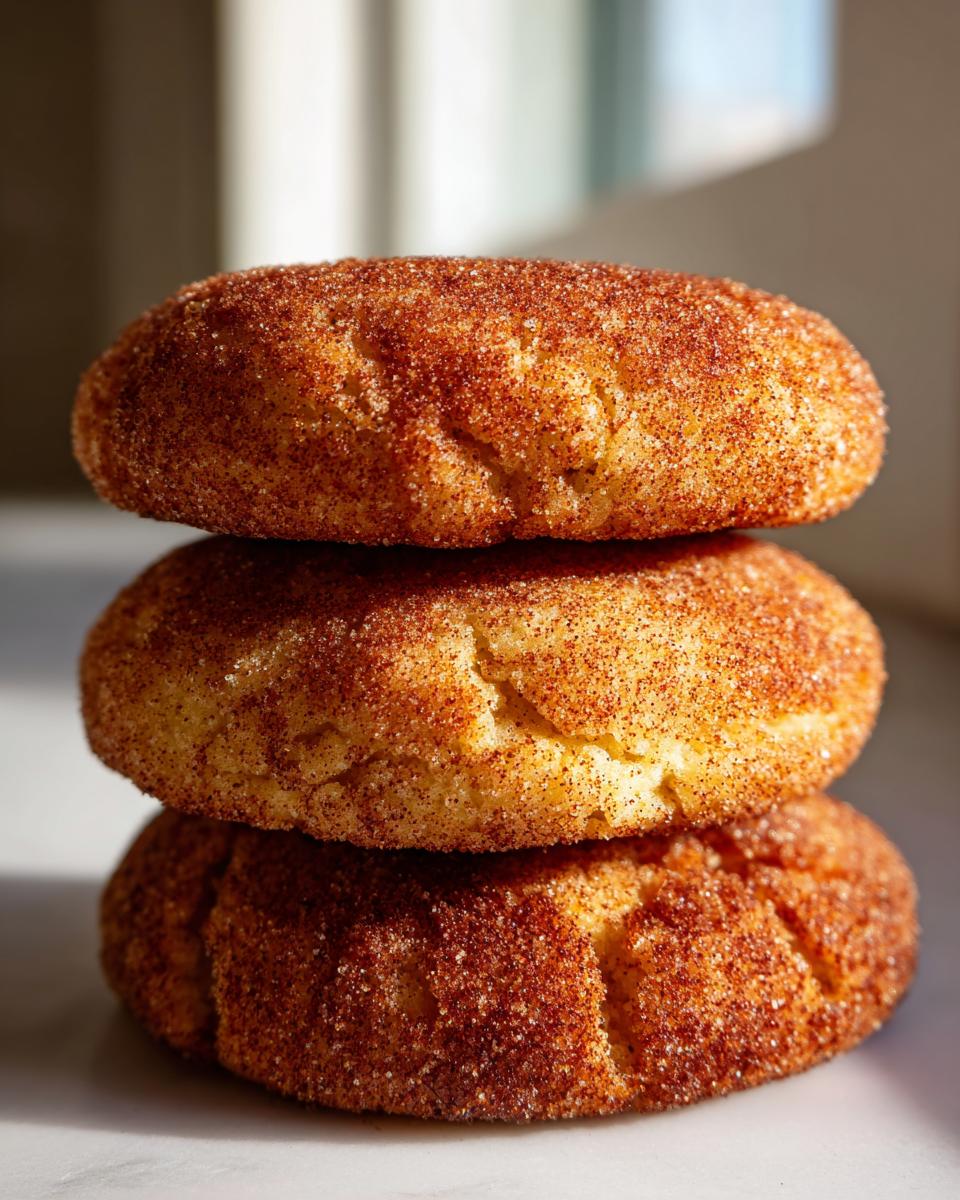
Ingredients for Your Homemade Snickerdoodle Cookies
I always feel like presenting the ingredient list upfront builds immediate trust. You can look at this and know right away that you probably have everything you need hiding in your pantry! This recipe for classic homemade snickerdoodle cookies relies on simple, buttery building blocks. No weird specialized flours—just good old reliable pantry staples doing their best work. Remember, since we are doing this all from scratch, measuring accurately is important, especially the flour!
Here is exactly what you need to grab before we start:
- 1 cup salted butter, softened (Make sure this is actually softened, not melted! It really matters for creaming.)
- 1 and 1/3 cups granulated sugar
- 1/3 cup packed brown sugar
- 2 large eggs
- 2 teaspoons vanilla extract
- 3 and 1/4 cups all-purpose flour, spooned and leveled (Don’t scoop straight from the bag—it packs in too much!)
- 1 teaspoon baking soda
- 3/4 teaspoon kosher salt
- 1 and 1/2 teaspoons cream of tartar (Don’t skip this one, I promise!)
- 1/3 cup granulated sugar (This is separate for rolling!)
- 3 tablespoons ground cinnamon (This is for the coating, so be generous!)
See? It’s all straightforward baking goodness. That butter temperature is going to be key for the creaming step later, so pull it out about an hour ahead of time. That’s my first crucial tip for any buttery dough!
Essential Ingredient Notes and Substitutions for Snickerdoodle Success
When you commit to making a from scratch cookie baking recipe like this one, the details really matter. We aren’t whipping up a mix from a box here; we are building flavor and texture intentionally. Two things usually trip people up when they first attempt my classic snickerdoodle cookies: the state of the butter and that mysterious jarred white powder—cream of tartar!
If you walk away with only one piece of advice today, let it be this: temperature matters. Your butter needs to be genuinely soft, which means you can press a finger into it and leave a dent without tearing through it. If it’s cold, your creaming step won’t incorporate the air needed for that light texture we want. If it’s melted or greasy, your cookies will spread into thin puddles. We are aiming for that perfect, buttery dome shape!
The Non-Negotiable Role of Cream of Tartar in a Snickerdoodle with Cream of Tartar
Okay, let’s talk about the hero ingredient: cream of tartar. If you’ve ever wondered why a real snickerdoodle tastes slightly different than a plain sugar cookie rolled in cinnamon, this is your answer! Cream of tartar is an acid, and when it meets the baking soda (which is a base) in the dough, they react beautifully. This chemical dance does two main things.
First, it creates the signature, subtle tang on your tongue. It cuts through the sweetness of the sugar and makes the cookie taste complex and comforting. Second, that reaction releases gas, which helps create that classic crinkle, or ‘crackle top’ as I call it, without making the cookie puff up too much or become cakey. You absolutely cannot swap this out with lemon juice or vinegar if you want *this* specific result. It’s essential for that chewy center and that classic tang!
How to Prepare the Best Snickerdoodle Recipe Step-by-Step
Right, let’s get these gorgeous snickerdoodle cookies made! Since these come together so fast, it’s a great recipe for a busy afternoon. Remember to preheat your oven to 375°F (190°C) and get your baking sheets lined with parchment paper first. That parchment is your best friend for easy cleanup and guaranteed non-stick action! We’re aiming for that bakery style cookie look, and getting the prep right sets us up for success.
Now, grab your biggest mixing bowl and let’s start building that base. We’re talking about classic baking physics here, so pay attention to the texture changes as we mix. If you’re looking for a truly quick dessert recipe that feels like it took forever to perfect, this is it!
Mixing the Dough for Chewy Cinnamon Sugar Cookies
We start by creaming the softened butter with both sugars—that granulated sugar and the packed brown sugar. You need to beat this mix until it gets light and fluffy. I mean truly pale yellow; you’re whipping air into the mixture, and that trapped air is what keeps your cookies from turning into dense bricks. Once that’s done and beautiful, beat in your eggs one at a time, then splash in the vanilla. Set that bowl aside.
In a separate bowl, quickly whisk your dry ingredients—the flour, baking soda, salt, and that critical cream of tartar. Now, switch your mixer speed to low. Gradually add the dry ingredients to the wet ingredients, mixing on low speed until *just* combined. Seriously! Stop the mixer when you still see a tiny bit of flour streakiness. Overmixing develops gluten, and gluten means tough cookies, which is the death of a good chewy center.
Coating and Baking Your Snickerdoodle Dough Balls
While the mixer is off, prepare your coating in that shallow bowl: the remaining 1/3 cup of sugar mixed with 3 tablespoons of cinnamon. Scoop out your dough using rounded tablespoons—this helps keep them uniform—and roll those little dough balls firmly between your palms until they are evenly shaped. You want them coated completely! Roll them through the cinnamon sugar mixture until they are completely blanketed. No bare spots allowed!
Place them about 2 inches apart on your prepared sheets. They bake fast—only 8 to 10 minutes. For the ultimate soft and chewy outcome, watch them closely. You want the edges to look set and maybe just barely golden, but the center should still look soft, almost underbaked when you take them out. That residual heat sets them perfectly as they sit on the hot tray for 5 minutes before you move them to the cooling rack. That timing is essential for snickerdoodle perfection!
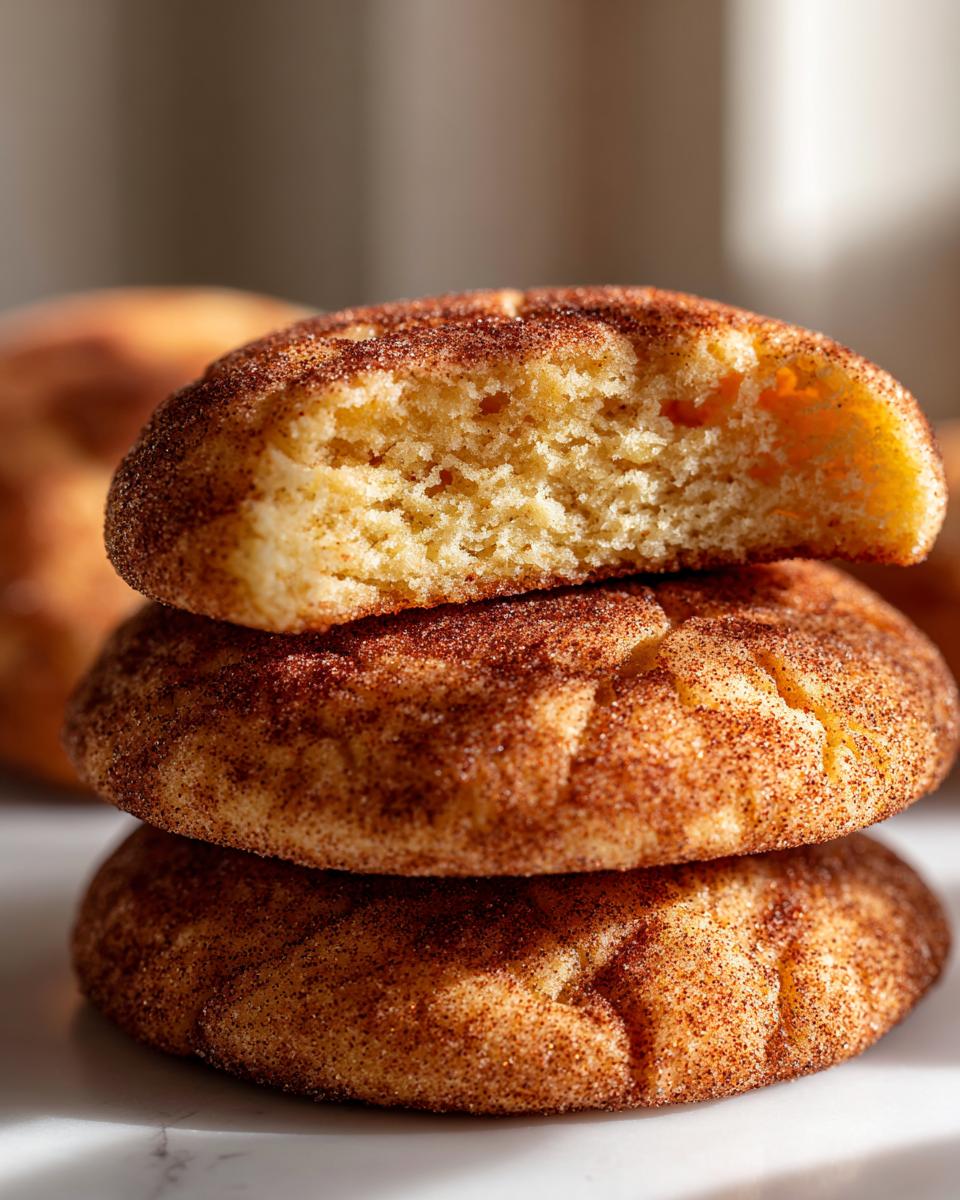
Tips for Success: Mastering the Classic Snickerdoodle
I love how this snickerdoodle recipe is pretty foolproof, but just like any classic, a few insider tips can take it from “really good” to “OMG, Sarah, what is in these?!” I’ve learned so much over the years baking for family parties and cookie swaps. Seriously, small adjustments make a huge difference in that final texture and flavor profile. Don’t let a couple of batches that flatten out discourage you; we’re going to troubleshoot them right now!
First up, let’s talk about the thickness. If you pull your dough balls out of the fridge and they still look flatter than you’d like, that’s totally okay. You can chill the dough if you want a thicker cookie, which slows down the spread in the oven. I usually chill mine for about 30 minutes if my kitchen is too warm. It helps those buttery cinnamon cookies hold their shape a bit better and results in a slightly denser, chewier bite.
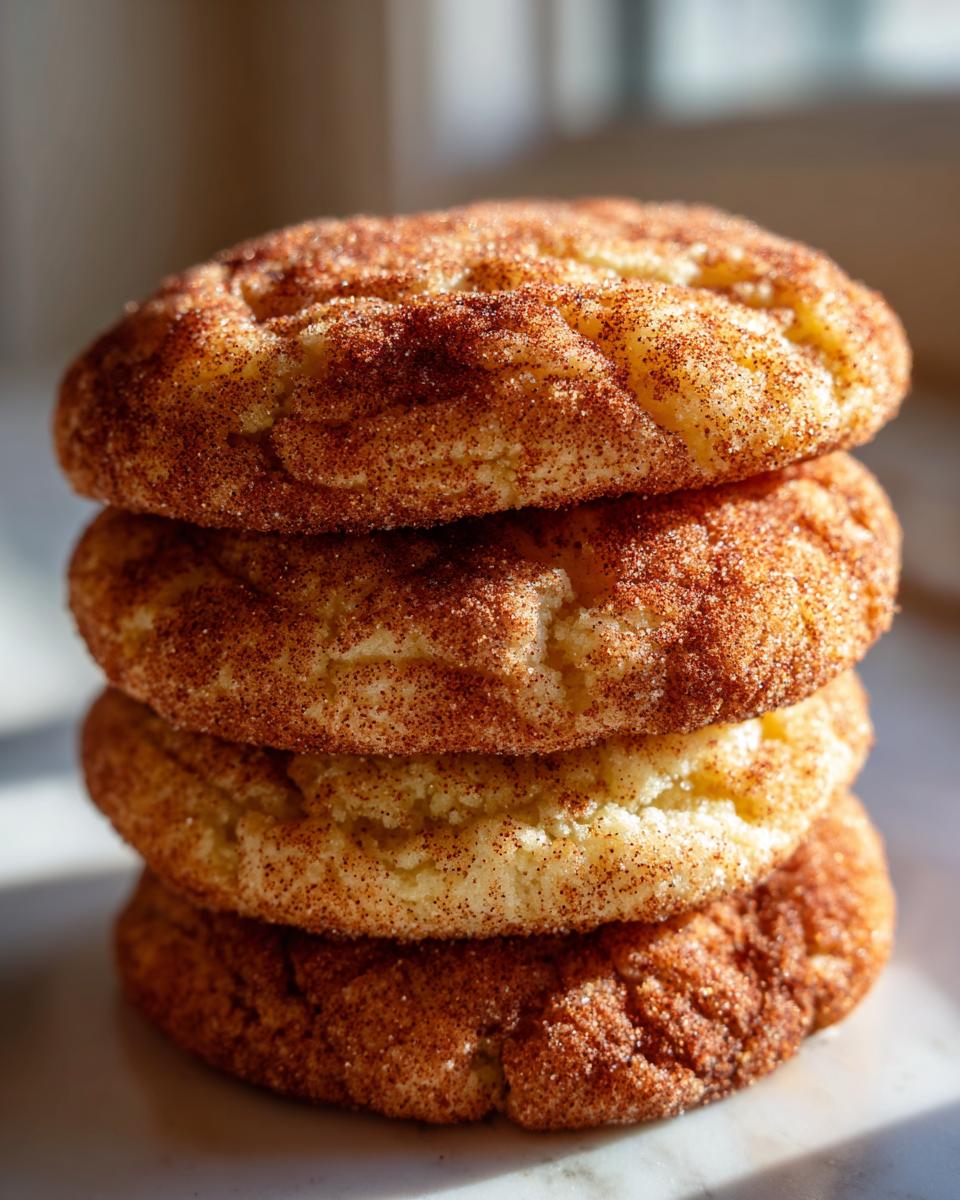
Here are my top three things to always remember when aiming for the best batch:
- Don’t Overbake, Ever: I cannot stress this enough when we are chasing that chewy center. Pull them when they look slightly underdone in the middle. They will set up beautifully on the hot parchment paper—that’s residual heat magic working for you! If you wait for them to look dry, they’ll be hard tomorrow.
- Room Temperature Eggs: Just like the butter, letting your eggs warm up slightly helps them incorporate evenly into the creamed mixture without deflating all those lovely air bubbles we just whipped in. It makes for a smoother, more homogenous dough base.
- Generous Coating: When you roll the dough ball in the cinnamon sugar mix, really coat it! Sometimes people are shy with the coating, but that outer layer is what gives you that satisfying textural contrast and the deep cinnamon spice bomb flavor that makes a snickerdoodle a *snickerdoodle*. Think of it as giving your cookie a beautiful, spiced winter coat!
Another great tip coming straight from my old kitchen notebooks is about the leftover cinnamon sugar after rolling. Do NOT throw that away! If I have a lot left over, I sometimes sprinkle a tiny pinch right over the tops of the dough balls before they go into the oven. It really amps up the visual appeal and that warm spice aroma.
Storage and Reheating Instructions for Soft Snickerdoodle Cookies
Oh, the eternal question of cookie storage! We’ve baked these beautiful, soft treats, and now we want them to last, right? The sad truth is that any cookie relying on that perfect, slightly underbaked center for a Soft Snickerdoodle Cookies texture won’t stay quite as pillowy on Day Three if left out on the counter. But don’t worry, we have ways to keep them tasting just-baked!
The golden rule for keeping these buttery cinnamon delights soft is airtight containment. Once they have cooled completely—and I mean completely, or you’re inviting condensation and mushiness—stack them in a sturdy, airtight container. If you have a big batch, try putting a piece of wax paper or parchment paper between the layers. This stops them from sticking together, which is important since they have that lovely sugary crust!
These will stay fantastic at room temperature for about three to four days. After that, they might firm up a little. If you find they’ve hardened even slightly, don’t panic and toss them! I have a quick fix that brings back that wonderful chewy texture almost instantly.
Waking Up Stiff Snickerdoodles
If your cookies have gone a bit stiff, all they need is a little bit of warmth and moisture revitalization. You have two main options, depending on how many you’re rescuing! For just one or two cookies, pop them on a microwave-safe plate and heat them for about 8 to 10 seconds. This softens the butter inside just enough to make them gooey again. Be careful not to go over 10 seconds, or you’ll end up with a melted center!
For larger quantities, I love using the oven. Place the needed cookies on a baking sheet and warm them in a low oven—about 300°F (150°C)—for just 3 to 4 minutes. When you pull them out, they will be warm, soft, and that cinnamon sugar coating will smell incredible again. Honestly, heating a couple of these up makes them taste just as good as when they first came out of the oven. Storing them properly is half the battle, but knowing how to reheat them is the victory!
Serving Suggestions for Your Buttery Cinnamon Cookies
Now that we have mastered the recipe and stored them perfectly, how should we enjoy these amazing Buttery Cinnamon Cookies? Honestly, paired with a cold glass of milk, they are perfect right off the rack. But if you’re serving these up for a family get-together or just want to make a simple afternoon feel a bit special, I have a few favorite ways to enjoy them.
These cookies have such a warm, comforting spice that they pair beautifully with almost any hot drink. Forget the boring water; we’re elevating this moment! For a non-alcoholic treat, a simple, strong cup of black coffee or a mug of hot spiced apple cider makes the cinnamon pop even more.
If you happen to be sitting by the fireplace on a chilly evening, you absolutely have to try one alongside a warm, decadent beverage. I have a fantastic recipe for bourbon hot chocolate that cuts through the sweetness of the cinnamon sugar coating perfectly. It’s pure indulgence, I won’t lie!
Another slightly unexpected but totally delicious serving suggestion is to crumble one or two of these cookies on top of a scoop of vanilla bean ice cream. It adds that spiced crunch element that regular cookie crumbles just can’t match. Because they are so soft and chewy, they don’t shatter when you press a fork into them; they just melt right into the cold creaminess. Give it a try next time you need a quick, elevated dessert!
Frequently Asked Questions About Making Snickerdoodles
I know you might still have a few lingering questions because making the *best* cookies—especially ones as nostalgic as these—can sometimes feel like a science experiment! Don’t worry; that’s why I set aside this space just for troubleshooting common issues that pop up when making these holiday cookie baking favorites. Most concerns boil down to texture, but we’ve cracked that code!
Can I make this Easy Snickerdoodle Recipe without Cream of Tartar?
Oh, honey, I wish I could tell you yes, but I can’t! For this specific recipe, the answer has to be a firm no. If you skip the cream of tartar, you are technically making a cinnamon sugar cookie, not a real snickerdoodle. That ingredient is the crucial part that reacts with the baking soda to give you that signature light tang we talked about, which balances the sweetness. Without it, the cookie is flatter, sweeter, and just misses that classic flavor profile. It’s the secret sauce for our Easy Snickerdoodle Recipe!
How do I get the signature crackle top on my snickerdoodle?
This is one of the best parts of the cookie, that delicate, web-like crackle across the top! You need two things working together for that effect. First, you absolutely need the cream of tartar, as it helps structure the expansion that causes the crackle. Second, it all comes down to timing in the oven! You must, must, *must* slightly underbake these cookies. When you pull them out—and they look just a hair doughy in the center—that residual heat is what sets the tops just enough to form those gorgeous wrinkles and cracks. If you wait until they look fully baked in the oven, they will crackle less and get firm faster!
My cookies spread too much and are very thin, what went wrong?
This is usually one of two things: either your butter was too warm when you creamed it, or the dough wasn’t chilled long enough. Remember how I mentioned that warm butter leads to sad, flat cookies? If your butter melts even a little bit while creaming, it won’t hold its structure when it hits the heat. Alternatively, if your kitchen is warm *and* you skipped chilling the dough, the butter melts too quickly once they hit the 375°F heat. A quick 30-minute chill solidifies the fat just enough to keep those dough balls slightly mounded, leading to that wonderful, thick, chewy center.
Can I make these snickerdoodles ahead of time for holiday cookie baking?
Yes, and I highly recommend it, especially during busy times like holidays! You can absolutely make the dough, roll the balls completely in the cinnamon sugar, and place them on a parchment-lined baking sheet. Cover that sheet tightly with plastic wrap and pop it right in the freezer. They freeze beautifully this way. When you’re ready to bake, you can put them straight into the oven from frozen—just add about 2 or 3 extra minutes to the baking time. They still come out soft, chewy, and tasting as fresh as ever!
Nutritional Information Estimate for This Snickerdoodle Recipe
Okay, friends, let’s get down to brass tacks for those of you tracking things closely. I’m never going to tell you these snickerdoodle cookies are health food—they are wonderful, buttery treats meant to be enjoyed! But I do believe in being transparent about what goes into my recipes. While I rely on my years of baking experience more than a fancy lab analysis, I can give you a solid estimate based on the standard ingredients used in this perfect recipe.
Please remember that these numbers are estimates based on the quantity of ingredients listed, assuming standard pantry items and that we are aiming for about 3 dozen cookies. If you use a different brand of butter or substitute a sweetener, of course, these values will shift slightly. This is a guide, not gospel, so enjoy these warm, chewy delights with that knowledge in hand!
If you’re looking for cookie recipes that lean a bit healthier, maybe check out my vegan chocolate chip cookies sometime, but for classic comfort, these are perfection!
Here is the estimated nutritional breakdown per one classic cookie:
- Serving Size: 1 cookie
- Calories: 160
- Fat: 8g
- Saturated Fat: 5g
- Unsaturated Fat: 3g
- Trans Fat: 0g
- Cholesterol: 25mg
- Sodium: 95mg
- Carbohydrates: 21g
- Fiber: 0.5g
- Sugar: 14g
- Protein: 2g
See? A manageable little treat! They are packed with flavor, and honestly, knowing exactly what goes into your classic snickerdoodle makes it taste even better. Go make a batch—you deserve it!
PrintThe Best Classic Soft and Chewy Snickerdoodle Recipe

Welcome! I’m Sarah, and I’m so happy you’re here. This classic snickerdoodle cookie recipe delivers soft centers, chewy edges, and a generous coating of cinnamon sugar. Learn the simple steps to achieve that signature crackled top every time.
- Prep Time: 15 min
- Cook Time: 10 min
- Total Time: 25 min
- Yield: About 3 dozen cookies 1x
- Category: Dessert
- Method: Baking
- Cuisine: American
- Diet: Vegetarian
Ingredients
- 1 cup salted butter, softened
- 1 and 1/3 cups granulated sugar
- 1/3 cup packed brown sugar
- 2 large eggs
- 2 teaspoons vanilla extract
- 3 and 1/4 cups all-purpose flour, spooned and leveled
- 1 teaspoon baking soda
- 3/4 teaspoon kosher salt
- 1 and 1/2 teaspoons cream of tartar
- 1/3 cup granulated sugar (for rolling)
- 3 tablespoons ground cinnamon (for rolling)
Instructions
- Preheat your oven to 375°F (190°C). Line baking sheets with parchment paper.
- In a large bowl, cream together the softened butter, 1 and 1/3 cups granulated sugar, and brown sugar until the mixture is light and fluffy.
- Beat in the eggs one at a time, then mix in the vanilla extract.
- In a separate medium bowl, whisk together the flour, baking soda, salt, and cream of tartar.
- Gradually add the dry ingredients to the wet ingredients, mixing on low speed until just combined. Do not overmix.
- In a small, shallow bowl, combine the remaining 1/3 cup granulated sugar and the ground cinnamon for the coating.
- Scoop rounded tablespoons of dough and roll them into balls. Roll each dough ball thoroughly in the cinnamon-sugar mixture until fully coated.
- Place the coated dough balls about 2 inches apart on the prepared baking sheets.
- Bake for 8 to 10 minutes. For soft and chewy cookies, remove them when the edges are set but the centers still look slightly underbaked.
- Let the cookies cool on the baking sheet for 5 minutes before transferring them to a wire rack to cool completely.
Notes
- The cream of tartar is essential; it provides the signature slight tang and helps create the crackle top.
- For extra chewy centers and crispy edges, slightly underbake the cookies. They will continue to set as they cool.
- If you want a thicker cookie, chill the dough for 30 minutes before rolling and baking.
Nutrition
- Serving Size: 1 cookie
- Calories: 160
- Sugar: 14g
- Sodium: 95mg
- Fat: 8g
- Saturated Fat: 5g
- Unsaturated Fat: 3g
- Trans Fat: 0g
- Carbohydrates: 21g
- Fiber: 0.5g
- Protein: 2g
- Cholesterol: 25mg