
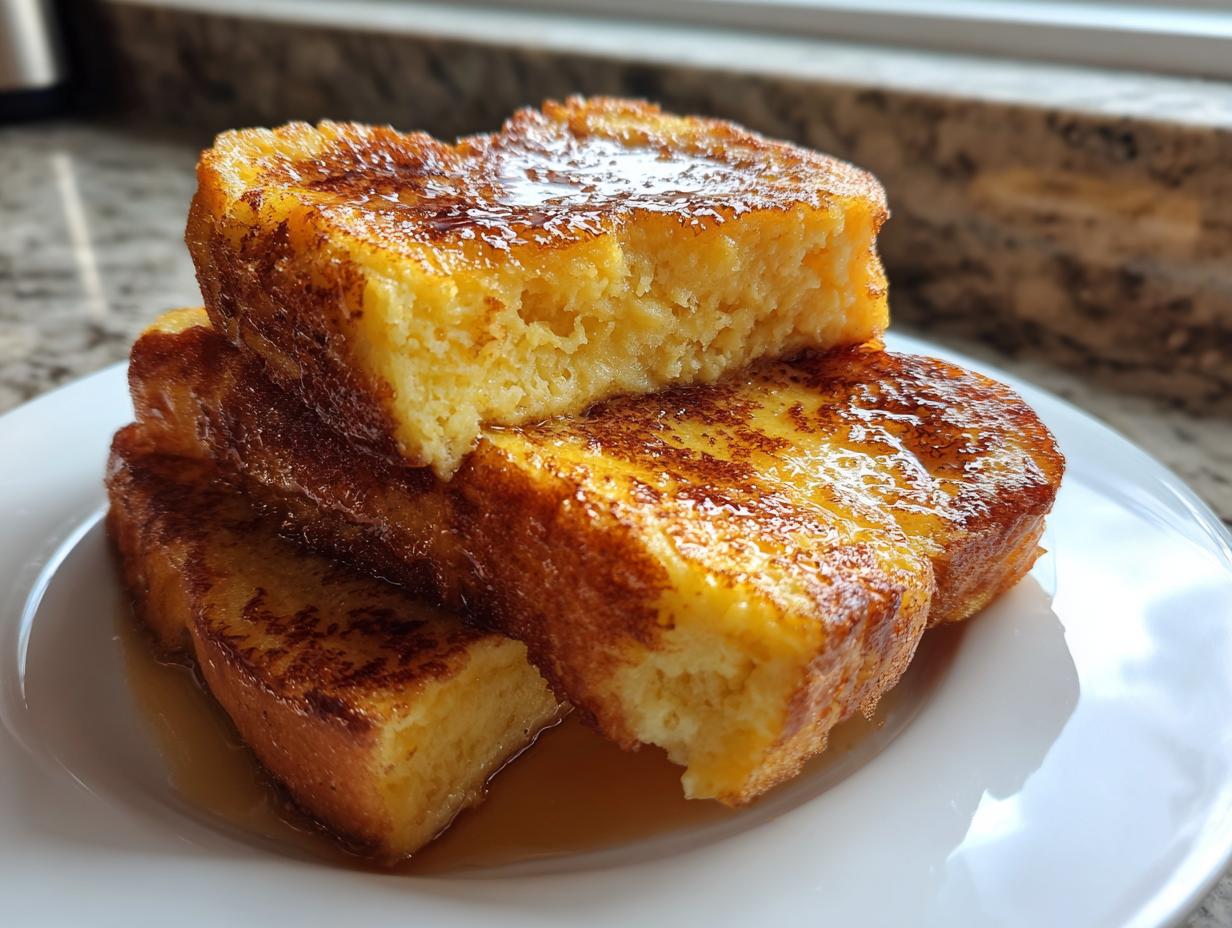

There is nothing quite like waking up on a Sunday morning knowing a truly perfect breakfast is coming your way, right? Forget thin, soggy slices that taste like sweet bread soaked too long. I’m Sarah Peterson from Cut Cook Taste, and I’m here to show you how to nail the ultimate fluffy & custardy French toast every single time. My heart is always in classic American comfort food, and this recipe is my tried-and-true secret for making the best French toast that brings everyone straight to the table. You won’t believe how easy this homemade breakfast comfort food is!
- Why This is the Best Fluffy French Toast Recipe Ever
- Ingredients for Ultimate French Toast
- Expert Tips for Perfect French Toast
- How to Prepare Classic French Toast Step-by-Step
- French Toast Toppings Ideas for Weekend Brunch
- Make Ahead French Toast and Storage Instructions
- Troubleshooting Common French Toast Issues
- Frequently Asked Questions About French Toast
- Estimated Nutritional Data for This French Toast
Why This is the Best Fluffy French Toast Recipe Ever
If you’ve ever been disappointed by French toast that fell apart or tasted like plain, wet bread, I promise you this version fixes all that! This is, hands down, the best French toast ever because we nail the texture every time. We’re talking about that satisfyingly buttery, crispy edge that gives way to the softest interior. That delicate balance between exterior crunch and interior fluffiness is everything, and it all comes down to the ratios I use between the eggs and the milk.
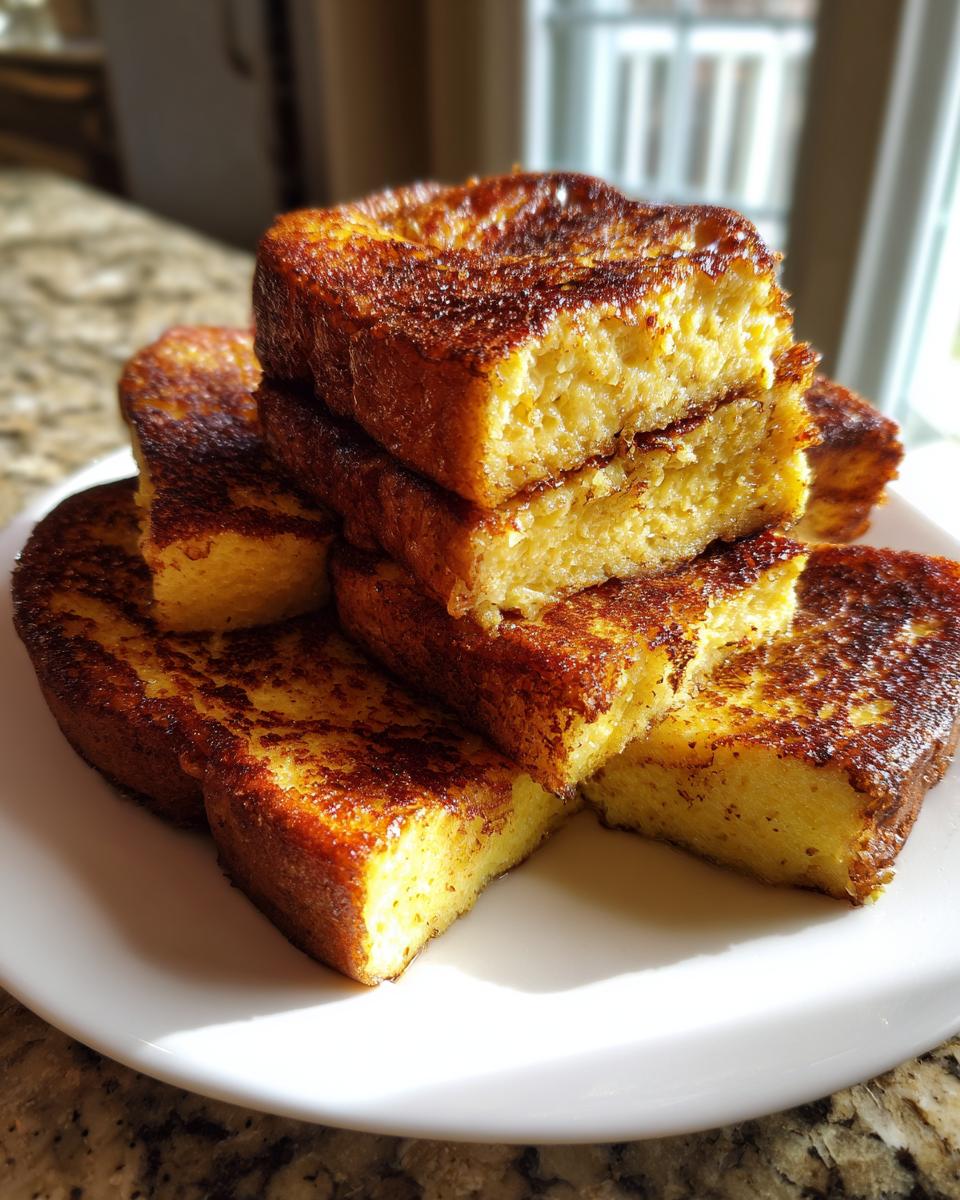
The secret is making sure the custard base has enough richness to soak in without saturating the bread past its limit. This quick breakfast recipe is honestly one of my favorite things to whip up because it tastes like a holiday morning but takes less time than getting everyone’s coffee ready.
Achieving the Perfect Custardy French Toast Center
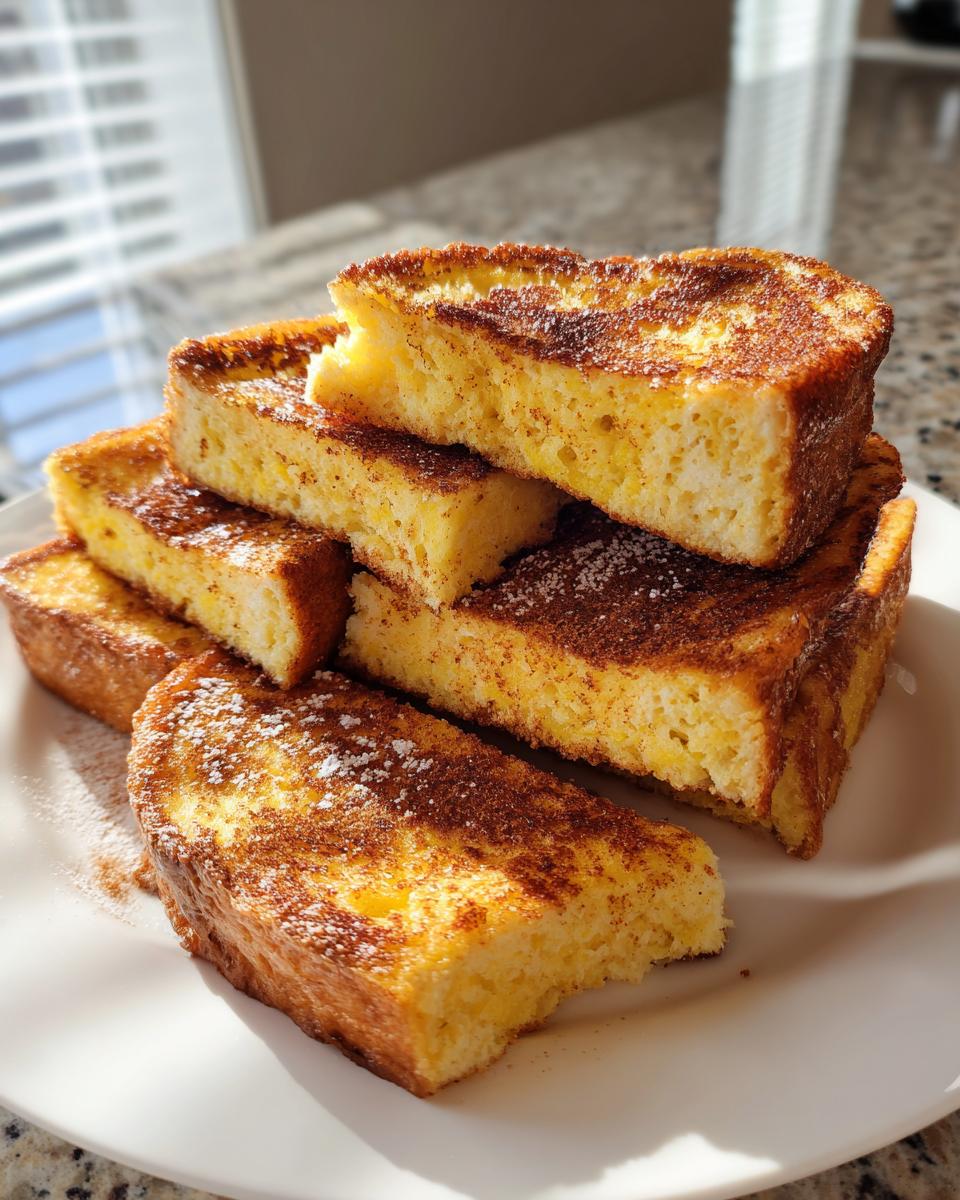
The magic is in that custardy French toast center! Achieving this requires two things: bread that can handle the liquid, and the right amount of egg mixture. We use thick-cut bread, which acts like a sponge core. We whisk in just enough sugar and spice to flavor that center deeply, so it doesn’t taste bland once it sets in the heat. It’s foolproof!
Quick Breakfast Recipes for Busy Mornings
Don’t save this just for brunch! When you need real comfort food fast, this is your answer. With only five minutes of prep time, this truly becomes a quick breakfast recipe you can rely on during the week. Seriously, coat the slice, cook for a few minutes on each side, and you’ve got a gourmet meal ready before you finish brewing that second cup of coffee.
Ingredients for Ultimate French Toast
Okay, so let’s talk ingredients. This recipe relies on simplicity, which means you absolutely need to bring your A-game with what you buy! You don’t need any fancy stabilizers or weird binders here; just good, quality basics for that perfect texture. Trust me, sourcing the right bread makes all the difference in achieving that crispy edge!
For the bread, I insist on using something thick and slightly dry—think day-old. We’re looking for 8 slices of thick-cut bread. My absolute favorites are Brioche or Challah because they have the fat content needed to soak up the custard without turning into mush. If you can find it, get the thickest slices possible; they hold up much better!
Then comes the custard base, which is super simple:
- 4 large eggs—make sure these are getting whisked really well!
- 1 cup of whole milk or, if you want to get real decadent, use half-and-half.
- 1 teaspoon of quality vanilla extract—the real stuff, please! It makes the aroma unbeatable.
- 1 teaspoon of ground cinnamon for that warmth.
- 1 tablespoon of basic granulated sugar to balance the spice.
- A little pinch of salt—don’t skip this! It actually helps all the sweet flavors pop.
And for cooking, we just need 2 tablespoons of butter to melt on the griddle. That’s it! Nothing complicated, but the quality of the bread really shines through in the end, so splurge a little there!
Expert Tips for Perfect French Toast
I want you to succeed wildly with this recipe, so let’s talk about the things people often skip that make all the difference between okay French toast and the best French toast ever. Temperature control on your griddle is non-negotiable! If the pan is too hot, you get burned outsides and cold, raw centers. We want that gentle, slow cook to allow the custard to *set* instead of just flash-frying the bread instantly.
Another huge game-changer I learned from watching my dad flip steaks for hours? Don’t use super fresh, squishy bread. Fresh bread just falls apart when you dip it. We need bread that’s slightly stale or dry. This gives the structure necessary to absorb all that vanilla-cinnamon goodness we mixed up without collapsing into soggy mush. If you want to see how other experts approach this, I always check out great resources like this guide when I’m testing new ideas!
Choosing Bread for the Best French Toast Ever
Seriously, you have to use thick-cut bread, about an inch if you can manage it! Brioche and Challah are my top recommendations because they are enriched—meaning they have more fat and eggs baked right in. That extra richness helps them hold up to soaking and browns beautifully on the griddle. Skip the flimsy sandwich bread; it just won’t give you that amazing fluffy texture we’re aiming for in our weekend brunch masterpiece.
How to Prepare Classic French Toast Step-by-Step
Now that we have our perfect bread and our rich custard ready, it’s time to bring it all together on the heat! We’re following the basic instructions here because, honestly, simplicity wins when you have great ingredients. This process is fast, so have everything ready to go before you start heating up the pan. If you’re looking for a simple simple griddle breakfast that feels major, this is it!
We are aiming for that golden brown perfection that tastes incredible without requiring any complex flips, but you do need to pay attention to the heat. If you want to see another dependable method for making this classic staple, check out what my friends are doing over at Carla Cooking.
Making the Cinnamon Vanilla French Toast Custard
First up is our base! Grab a shallow dish—not too deep, since we don’t want the bread to sit there swimming—and whisk together those four eggs, the milk, vanilla, cinnamon, sugar, and salt. You need a whisk and some energy here! Whisk it like you mean it until everything is completely uniform. I mean totally blended, no streaks of pure egg white floating around. That’s how you guarantee that even flavor distribution across every slice of your French toast.
Griddle Technique for Golden Brown French Toast
Get your griddle or skillet set to medium heat and let it warm up completely. Add half your butter and wait until it melts and starts getting nice and happy! Now, for the dipping: grab a slice of your thick bread and give it a quick swish in the custard—about two seconds per side! Do not let it soak! That quick dip coats it beautifully without making it fall apart. Lay that slice down gently onto the hot buttered surface. You want to cook it for about 3 to 4 minutes per side until it’s that perfect golden brown. If the edges look dark too fast, turn the heat down immediately!
French Toast Toppings Ideas for Weekend Brunch
Once you’ve achieved that crispy edge and custardy middle, the best part is making it your own! This is where French toast really shines as a weekend brunch idea because the toppings are endless. I love keeping things classic, but you can definitely get creative depending on what’s fresh in the market or what kind of comfort mood you’re in that day.
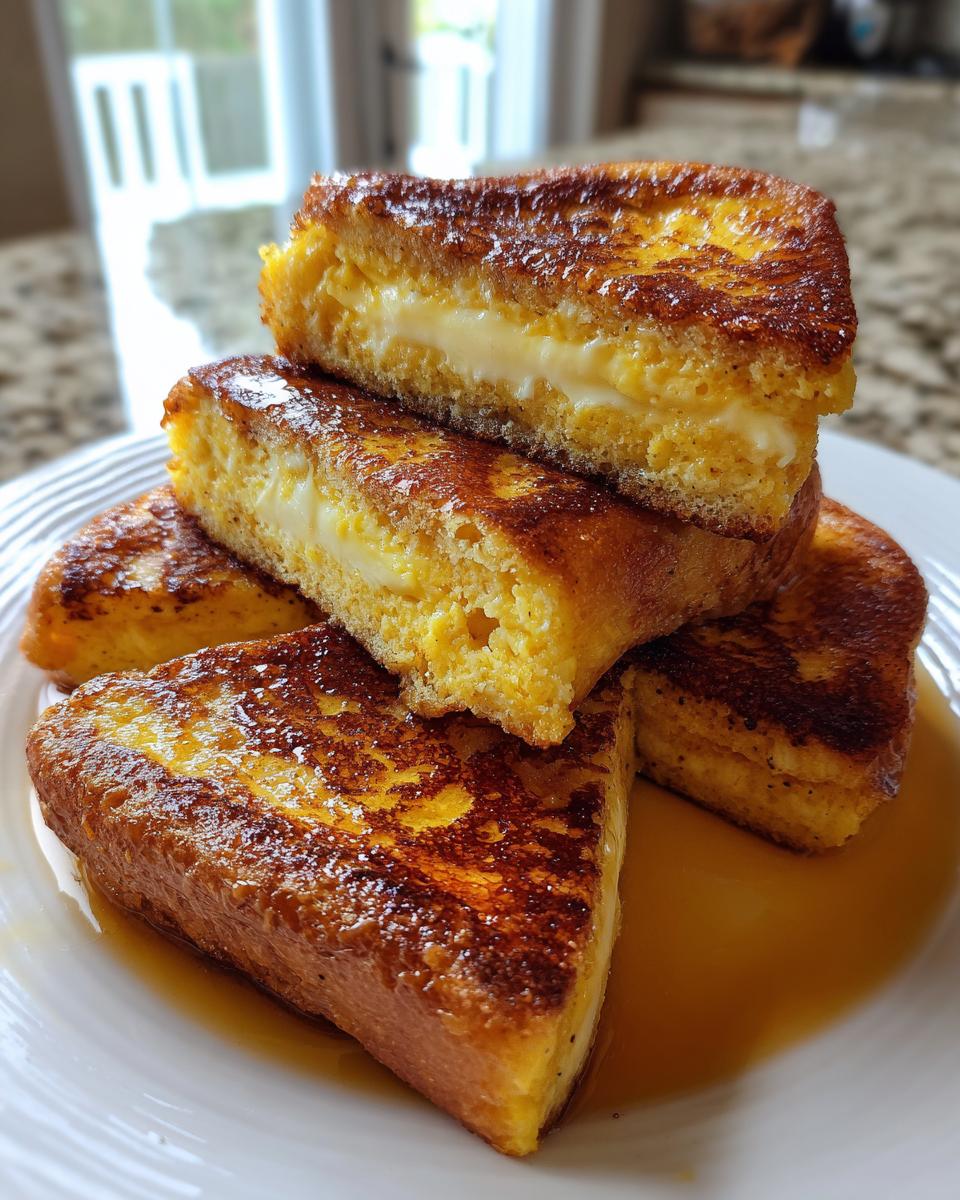
For the basics, you can’t go wrong with a drizzle of pure maple syrup, a dusting of powdered sugar, and a handful of fresh berries. That combo is timeless! If you want something a little warmer—especially when the weather cools down—try a scoop of slightly warmed butter and a sprinkle of cinnamon sugar. It melts right down into those nooks and crannies!
If you really want to impress everyone (and use ingredients you might already have lying around), try melting a little citrus zest into your warm syrup. Orange zest works wonders with cinnamon! Honestly, though, the beauty of this recipe means even the simplest topping tastes incredible. Have fun with it, and check out some proven ideas over at this resource for more inspiration!
Make Ahead French Toast and Storage Instructions
If you’re planning a big family breakfast or a holiday brunch, you absolutely do not want to be standing over the griddle while everyone else is sipping coffee! That’s why planning ahead is key, and yes, you can totally use this recipe for Make Ahead French Toast. You can prepare the egg custard and store it in the fridge for up to a day ahead. Just whisk it up, cover it tightly, and keep it cold.
For the actual toast, I actually prefer to cook it completely before storing it. Cook the slices as directed, but keep the heat slightly lower so they don’t get too dark. Once cooled, stack the slices between sheets of parchment paper in an airtight container. You can keep these cooked slices in the fridge for a couple of days.
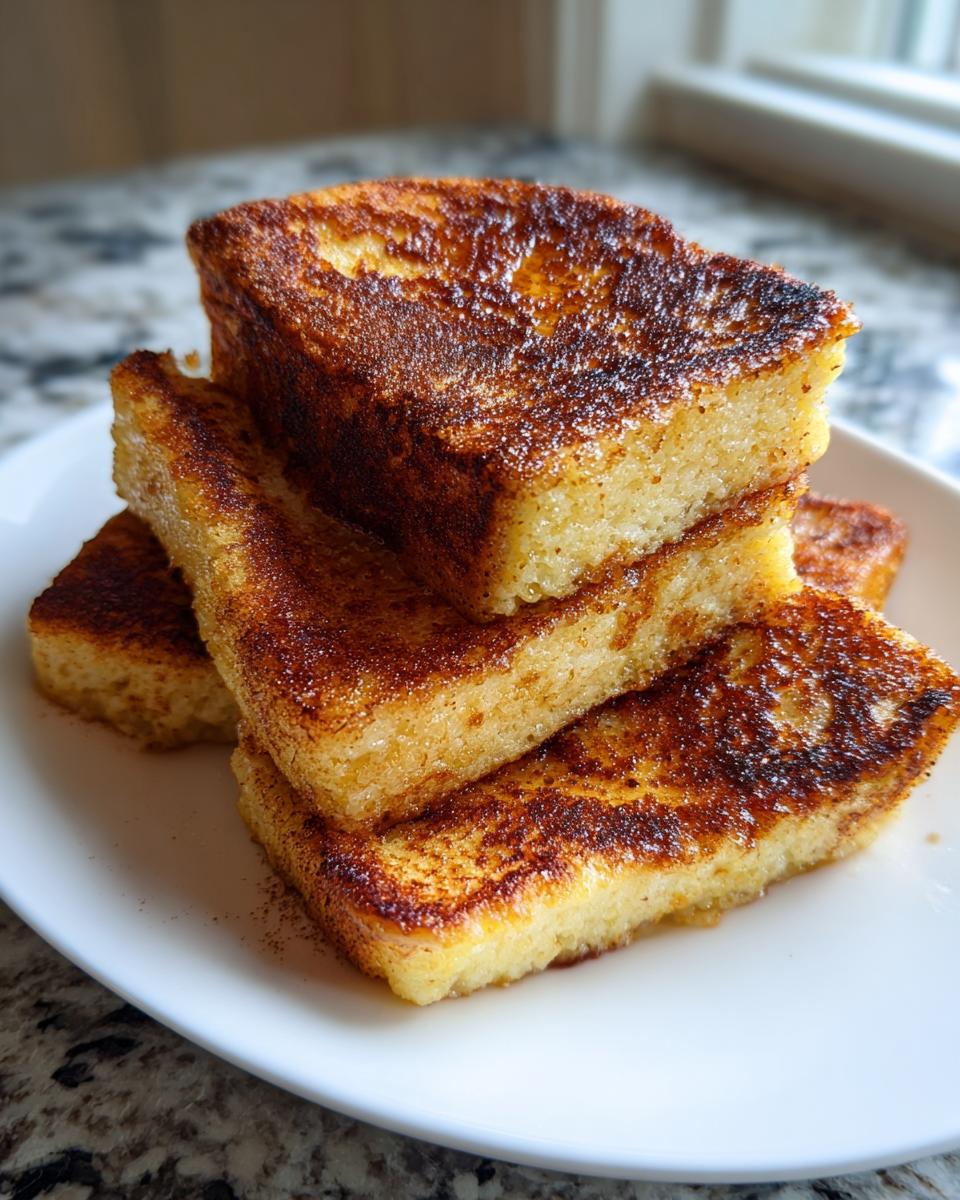
When it’s time to serve, skip the microwave! That makes them soggy. Lay the slices in a single layer on a baking sheet and pop them into a 350°F oven for about 8 to 10 minutes. They warm up perfectly and the edges crisp up again beautifully. It’s the best way to reheat them!
Troubleshooting Common French Toast Issues
Don’t worry if your first batch isn’t picture-perfect! We all run into little hiccups, especially with the heat management on the griddle. If your edges are burning before the middle sets, turn that heat down to medium-low immediately! The main reason for a bland taste is usually forgetting that pinch of salt or not adding enough vanilla. Remember, this is classic French toast, so those warm spices need to break through!
If you accidentally went too far soaking the bread and you ended up with a slight soggy center, don’t panic! Just give it a little extra time on the griddle at a slightly reduced temperature. That extra time helps the internal moisture evaporate and set up that lovely texture we love.
Frequently Asked Questions About French Toast
I get asked about substitutions all the time! This recipe is built for excellent results, but I know sometimes you’re missing an ingredient or have a dietary restriction. Here are the common questions I usually handle about making the best French toast ever using this technique.
Can I use regular white bread for this recipe?
You sure can, but I have to give you the warning! Regular white bread is usually too soft and thin. It will soak up the custard way too fast and might turn into mush when you try to flip it. It won’t give you that awesome custardy French toast center paired with a crisp edge; it’ll mostly just be soft. If white bread is all you have, make sure it is very stale and you dip it for less than one second per side!
What is the best substitute for milk in French toast?
The whole milk or half-and-half, as I suggest, adds necessary fat, which equals richness. If you’re out of milk, heavy cream is fine, but thin it out a bit with water—maybe 3/4 cup cream to 1/4 cup water. For dairy-free options, full-fat oat milk or cashew milk work really well! They offer a neutral flavor and good creaminess for a satisfying result.
Can I make this recipe keto-friendly?
If you’re following a strict low-carb diet, this classic version won’t work because of the sugar and regular bread. However, if you swap to thick slices of keto-friendly loaf bread, you can absolutely keep everything else the same! Just use a liquid sweetener like monk fruit drops or stevia instead of the tablespoon of granulated sugar in the base. That way, you still get the flavor profile!
How do I ensure my toast comes out golden brown and not pale?
That beautiful color comes from the combination of medium heat and the sugar in your custard. If it’s pale, your pan likely wasn’t hot enough, or you didn’t use enough butter. Make sure the butter melts and starts foaming slightly before you place the bread down! That fat transfer is what makes it golden!
Estimated Nutritional Data for This French Toast
I always like to include a rough idea of what’s in our favorite comfort foods, but I want to throw out a big friendly warning here! These numbers are just estimates, you know? They change wildly depending on what kind of bread you splurge on—Brioche is richer than Challah in some brands—and whether you use whole milk or half-and-half in your custard base.
What I’ve calculated below is based on the recipe using 8 slices of standard thick-cut bread for 4 servings (2 slices per person). This tastes amazing, but it’s definitely a treat! If you add mountains of syrup and whipped cream, then yeah, the numbers are going to jump way up!
For one serving (two slices of the cooked toast):
- Serving Size: 2 slices
- Calories: 320
- Fat: 14g
- Saturated Fat: 7g
- Carbohydrates: 35g
- Sugar: 12g (This is mostly from the milk and the tiny bit of sugar we added!)
- Protein: 14g
- Cholesterol: 180mg
So there you have it! A homemade breakfast staple that packs a decent protein punch to keep you going until lunch. Enjoy every bite, and remember, these are just guidelines; the real measure of perfection is how happy it makes everyone at the table!
PrintThe Best Fluffy & Custardy French Toast
Follow this simple guide to make classic French toast with crispy edges and a rich, soft center every time. This recipe uses basic ingredients and clear steps for a perfect weekend brunch.
- Prep Time: 5 min
- Cook Time: 15 min
- Total Time: 20 min
- Yield: 4 servings 1x
- Category: Breakfast
- Method: Griddling
- Cuisine: American
- Diet: Vegetarian
Ingredients
- 8 slices thick-cut bread (Brioche or Challah recommended)
- 4 large eggs
- 1 cup whole milk or half-and-half
- 1 teaspoon vanilla extract
- 1 teaspoon ground cinnamon
- 1 tablespoon granulated sugar
- Pinch of salt
- 2 tablespoons butter, for the griddle
Instructions
- In a shallow dish, whisk together the eggs, milk, vanilla extract, cinnamon, sugar, and salt until fully combined. This creates your custard base.
- Heat a large griddle or non-stick skillet over medium heat. Add half of the butter and let it melt and coat the surface.
- Quickly dip one slice of bread into the custard mixture, turning to coat both sides. Do not let the bread soak for too long; you want it coated, not saturated.
- Place the coated bread onto the hot griddle. Cook for 3 to 4 minutes per side, until golden brown and cooked through. Adjust heat if the outside browns too quickly before the inside is set.
- Repeat with the remaining bread slices, adding more butter to the griddle as needed between batches.
- Serve immediately with your preferred toppings.
Notes
- For the best texture, use slightly stale bread. This allows the bread to absorb more custard without falling apart.
- If you are planning for a large group, you can keep cooked French toast warm in a single layer on a baking sheet in a 200°F oven while you cook the rest.
- Consider this recipe as a great alternative to complex meal planning when you need a quick, satisfying breakfast.
Nutrition
- Serving Size: 2 slices
- Calories: 320
- Sugar: 12
- Sodium: 350
- Fat: 14
- Saturated Fat: 7
- Unsaturated Fat: 7
- Trans Fat: 0.5
- Carbohydrates: 35
- Fiber: 2
- Protein: 14
- Cholesterol: 180