
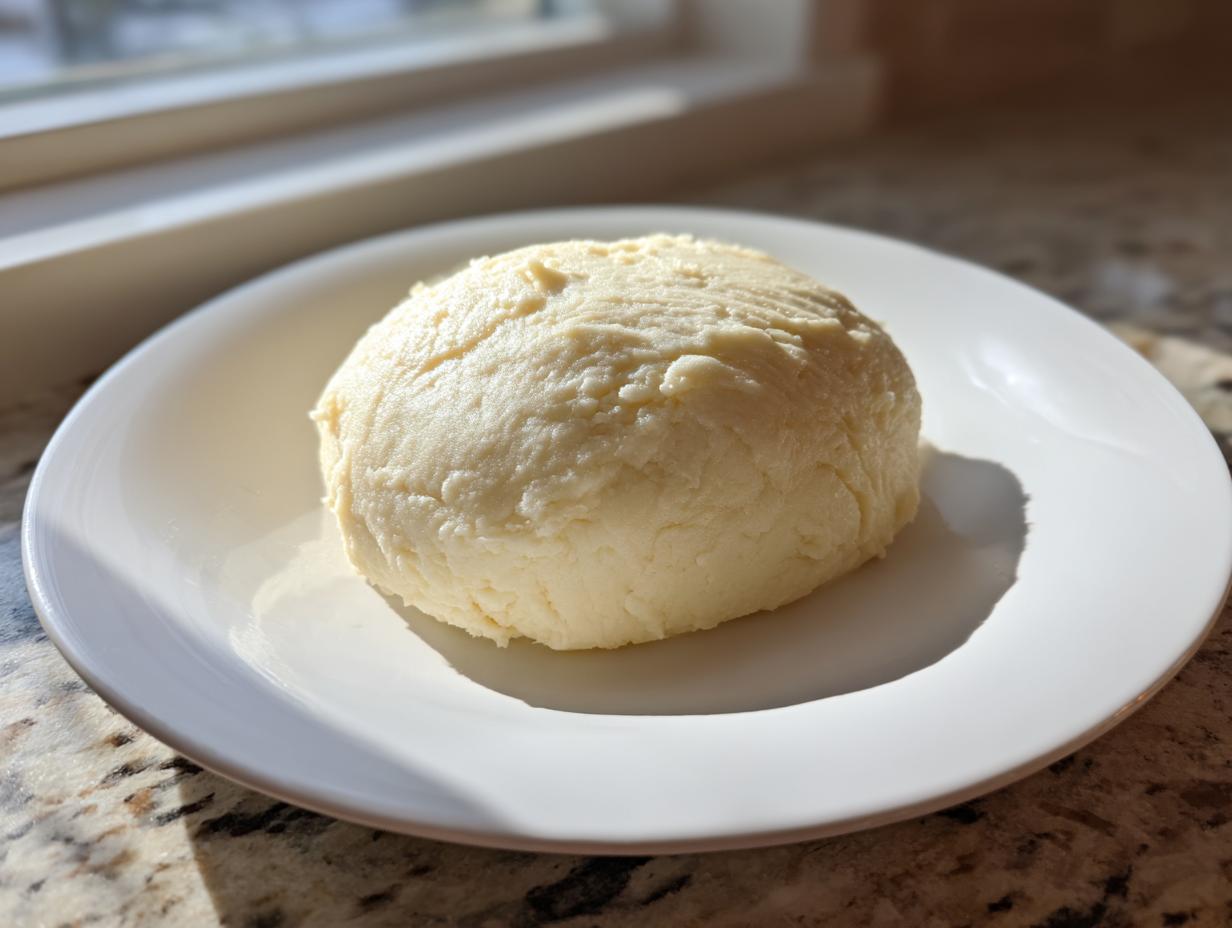

Welcome! I’m Sarah, and I’m so happy you’re here. Cooking for my family and teaching others how to create delicious meals that stick to your ribs has always been my main squeeze in life. Today, we’re tackling something truly special: how to make authentic West African fufu right in your own kitchen! I know it looks intimidating, but trust me, for years I’ve been perfecting this exact method so beginners like you can nail that perfect soft, smooth, and stretchy texture on your very first try. My focus here on Cut Cook Taste is always sharing recipes that just *work*, and this simple guide to making fufu is one of my absolute favorites.
- What is Fufu? Understanding This West African Staple Dish
- Gathering Ingredients for Your Authentic Fufu Recipe
- How to Make Fufu at Home: Step-by-Step Fufu Preparation Guide
- Tips for Success When Making Homemade West African Dough
- Fufu Pairing Ideas: Serving Your Traditional African Side Dish
- Storage and Reheating Instructions for Leftover Fufu
- Troubleshooting Common Fufu Issues
- Nutritional Estimates for This African Comfort Food
- Share Your Experience Making This Fufu
What is Fufu? Understanding This West African Staple Dish
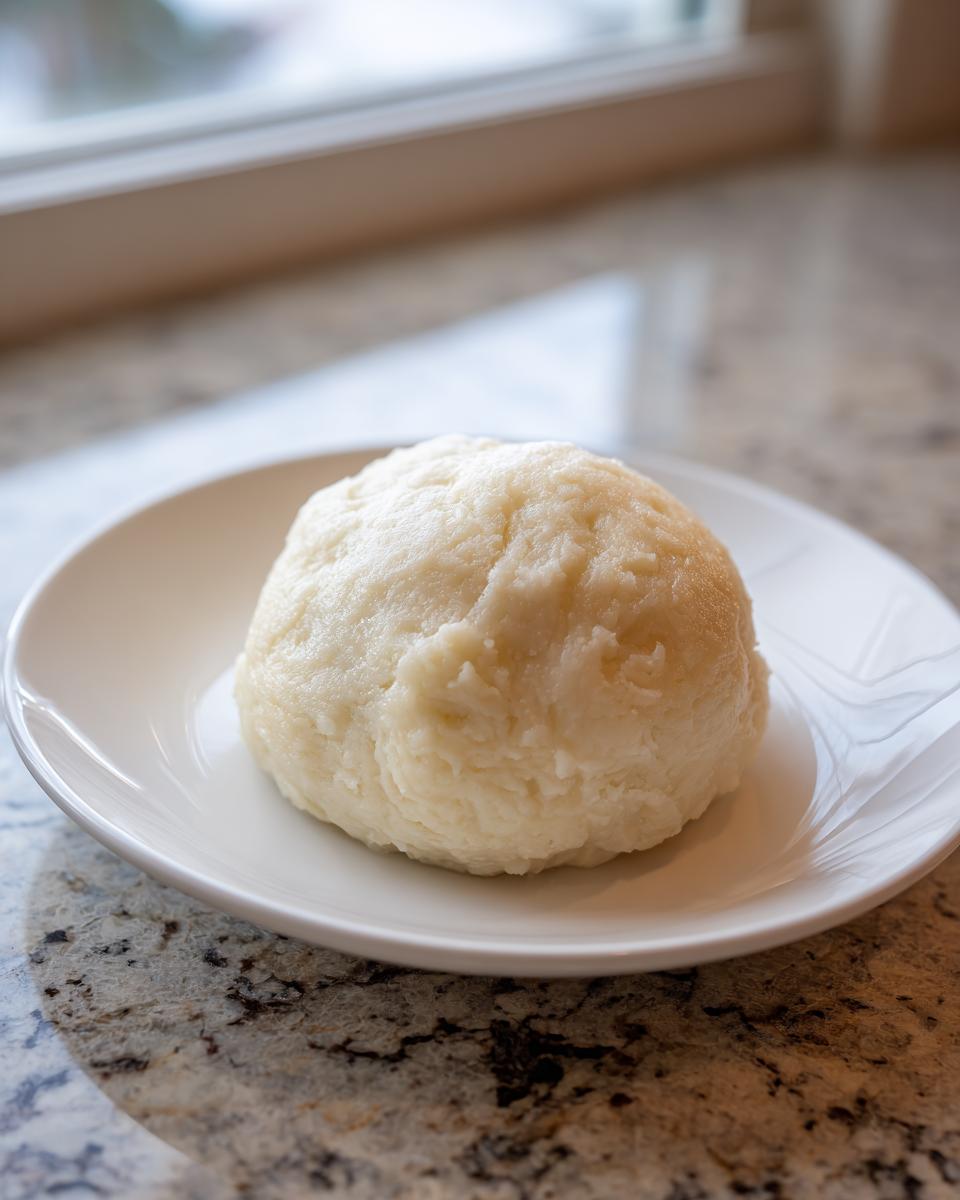
So, what exactly is fufu? It’s one of the most beloved dishes in West and Central Africa, and it deserves a spot on your table! Think of it like this—it’s essentially a smooth, doughy mound, which is why you often hear it referred to as a ‘swallow food guide’ item. You pinch off a small piece, make a dent in the middle, and use it to scoop up flavorful soups and stews. Traditionally, you see it made from pounded starchy roots like cassava or yams, or sometimes from green plantains. It’s incredibly satisfying because it has almost no actual flavor on its own; it’s the perfect vehicle for whatever incredible stew you pair it with.
If you want to learn more about its amazing history, I found a great background piece on what fufu is all about right here if you’re curious!
Why This Easy Fufu Recipe for Beginners Works
I know when you look up recipes, you see people pounding things for hours, and that sounds completely overwhelming! That’s why I designed this version specifically for beginners. We skip the pounding part, which is honestly the toughest bit. By using pre-milled cassava flour—and adding just a touch of plantain flour for depth—we can go straight to the stirring stage on the stovetop.
This shortcut means you skip all the sweat and tears and jump straight to that glorious, smooth and stretchy fufu texture. It’s forgiving, and honestly, it tastes just as authentic as the super labor-intensive version!
Gathering Ingredients for Your Authentic Fufu Recipe
Alright, let’s talk about getting what you need for this incredible batch of fufu! The ingredient list is wonderfully short, which is one of the things I love about this staple dish. Remember, this recipe is naturally gluten free if you stick strictly to pure cassava flour, which is perfect if you are looking for gluten free African recipes!
You’ll need:
- 2 cups Cassava Flour (or Fufu Flour mix)
- 1 cup Water (plus more for mixing)
- 1/2 cup Plantain Flour (optional, for flavor variation)
You can check out what other wonderful dishes are made using these bases over at this site if you’re getting inspired!
Ingredient Notes and Substitutions for Fufu
The plantain flour is totally fun to play with! While 100% cassava flour gives you the most classic, pure white fufu dough, adding that half-cup of plantain flour gives the final product a slightly deeper color and a subtle, earthy sweetness that I adore. If you’re new to this, I’d say start with just the cassava flour first so you know exactly what the basic texture feels like. But honestly, once you master this, play around with that optional flour—it’s a game-changer!
How to Make Fufu at Home: Step-by-Step Fufu Preparation Guide
This is where the action happens! Making this fufu is surprisingly fast, but it requires you to be mentally ready for a good workout. Trust me on this part—the first time I tried mixing this dough, I nearly pulled a muscle! You absolutely need a sturdy wooden spoon or a strong spatula because once this thing starts thickening, it gets heavy, fast.
First, you’re going to whisk your cassava flour (and plantain flour if you’re using it) together in a medium saucepan so there are no hidden dry pockets. Then, stir in that initial cup of water until you get a really smooth, thick paste. It should look like a heavy, uniform batter. Now, place that pan over medium heat and get ready to stir like you mean it!
As it heats up, keep stirring constantly. That mixture transforms quickly into a heavy ball of dough, and you need to keep folding and pressing it against the side of the pot to break up any lumps. Don’t forget to check out this resource if you need a visual mid-cook!
Achieving the Perfect Smooth and Stretchy Fufu Texture
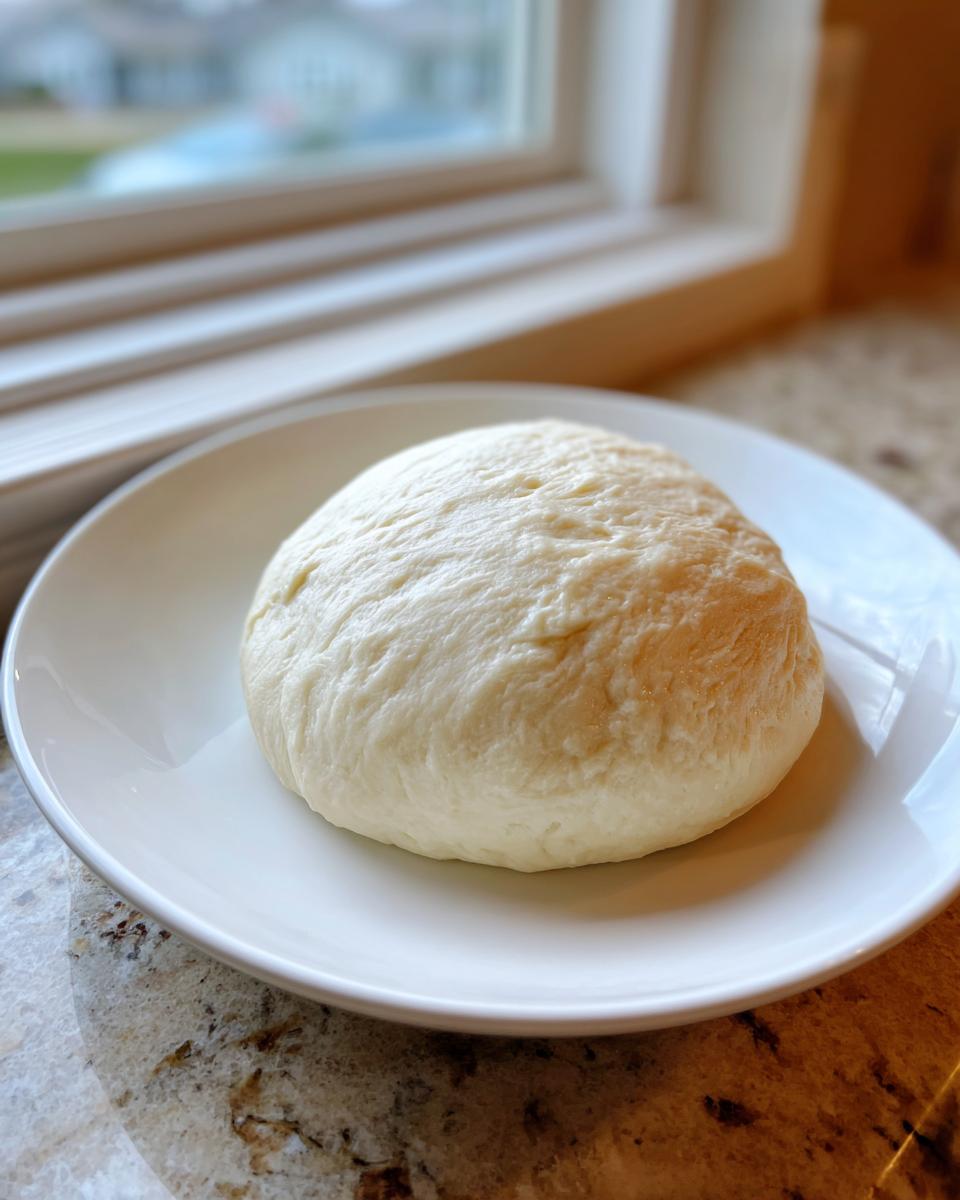
This next step is the difference between clumpy porridge and amazing, silky fufu. When the dough looks set but still seems a little stiff—maybe it just doesn’t seem pliable enough yet—it’s time to introduce hot water. You cannot dump it in! You add that hot water just one tablespoon at a time while you are stirring like crazy.
Why slowly? If you dump in too much at once, the whole mixture will loosen up too much and turn into soup again, and you won’t get that signature stretchiness. By adding it slowly, you allow the starch molecules to absorb the liquid perfectly, giving you that soft, pliable dough that’s just ready to be enjoyed with your favorite soup. Keep stirring and folding until it feels exactly how you want it!
Tips for Success When Making Homemade West African Dough
I want to make sure your first experience making this fufu dough is a successful one, so let’s talk about technique—because that’s really the key here, not the ingredients!
First things first: that wooden spoon isn’t just tradition; it’s a necessity. That dough gets seriously heavy, and you want something strong that won’t snap on you halfway through the cooking process. Also, if you can get a helper for those last five minutes of intense folding, take them up on it! Two sets of arms make stirring that thick homemade West African dough so much easier.
Here’s my extra tip about heat control: Keep that heat at medium, always! If you crank it up too high hoping to speed things along, the bottom layer of starch will scorch before the center even cooks through. That burnt taste just ruins everything. You want a consistent, medium heat so you can work the dough evenly. Want some more great pointers from the experts? Check out this guide on Fufu preparation!
Fufu Pairing Ideas: Serving Your Traditional African Side Dish
Okay, you’ve made the fufu, and while it smells fantastic, it’s basically begging for a delicious partner! This dough is the ultimate foundation for pairing with just about any rich, savory stew you can dream up. If you’re looking for that genuine African comfort food experience, you simply must serve it scooped deep into bowls of Egusi Soup. I’ve got a fantastic, easy-to-follow recipe for that melon seed soup right here if you want to make it alongside your dough!
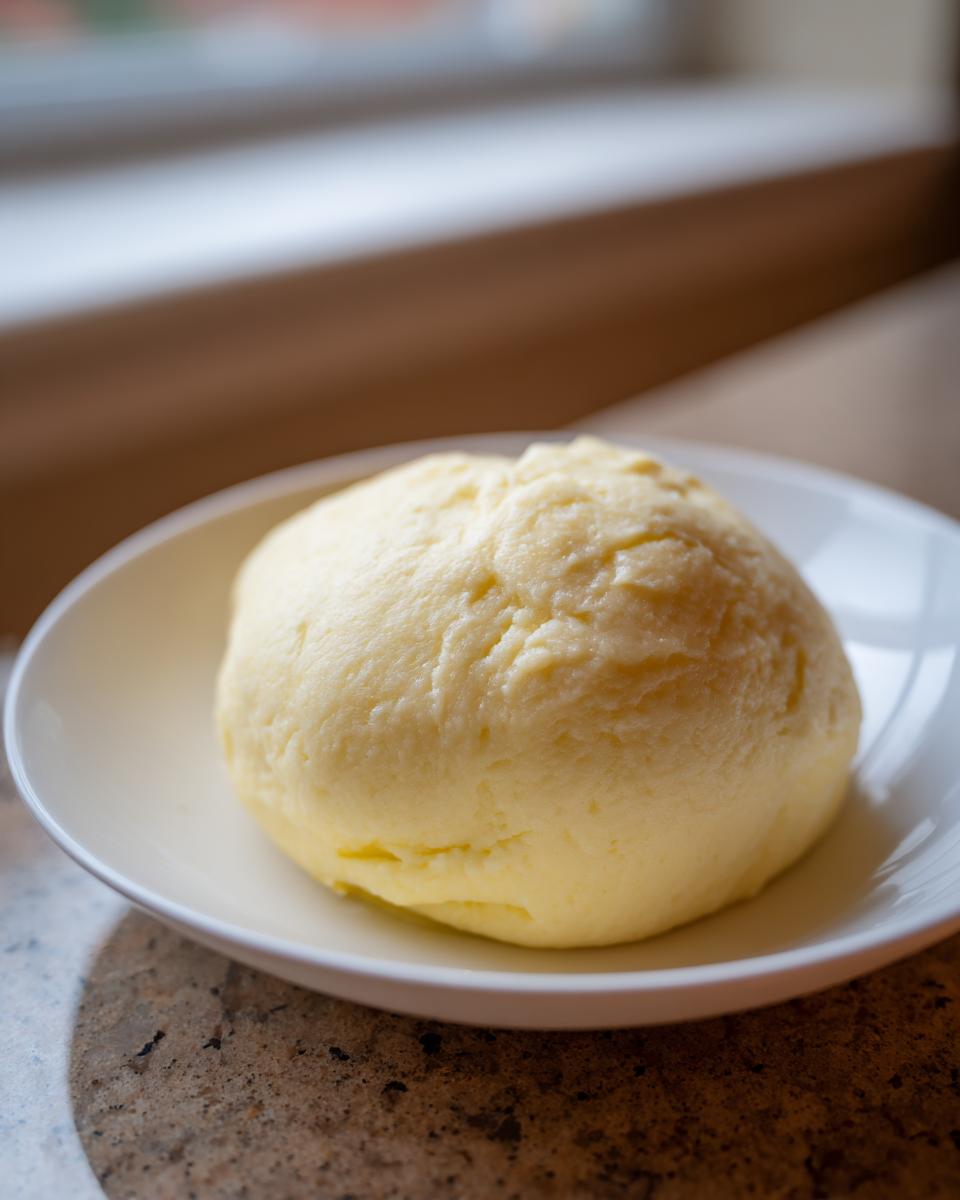
But don’t stop there! This wonderful traditional African side dish is also amazing with peanut soup, lighter goat meat stews, or even a simple vegetable sauce. For a super authentic meal that really shines, check out this amazing recipe that details how to serve Egusi Soup right alongside your fresh fufu over at Eden Plate.
Serving Suggestions for This Fufu Recipe
Since this fufu needs to be eaten right away while it’s hot and pliable, presentation is key! You’ll want to shape it into manageable, golf-ball-sized portions. I use a small bowl dipped in water to help me scoop out a portion, then I quickly roll it between my lightly oiled palms—don’t use too much oil or it gets greasy, just enough so it doesn’t stick to you!
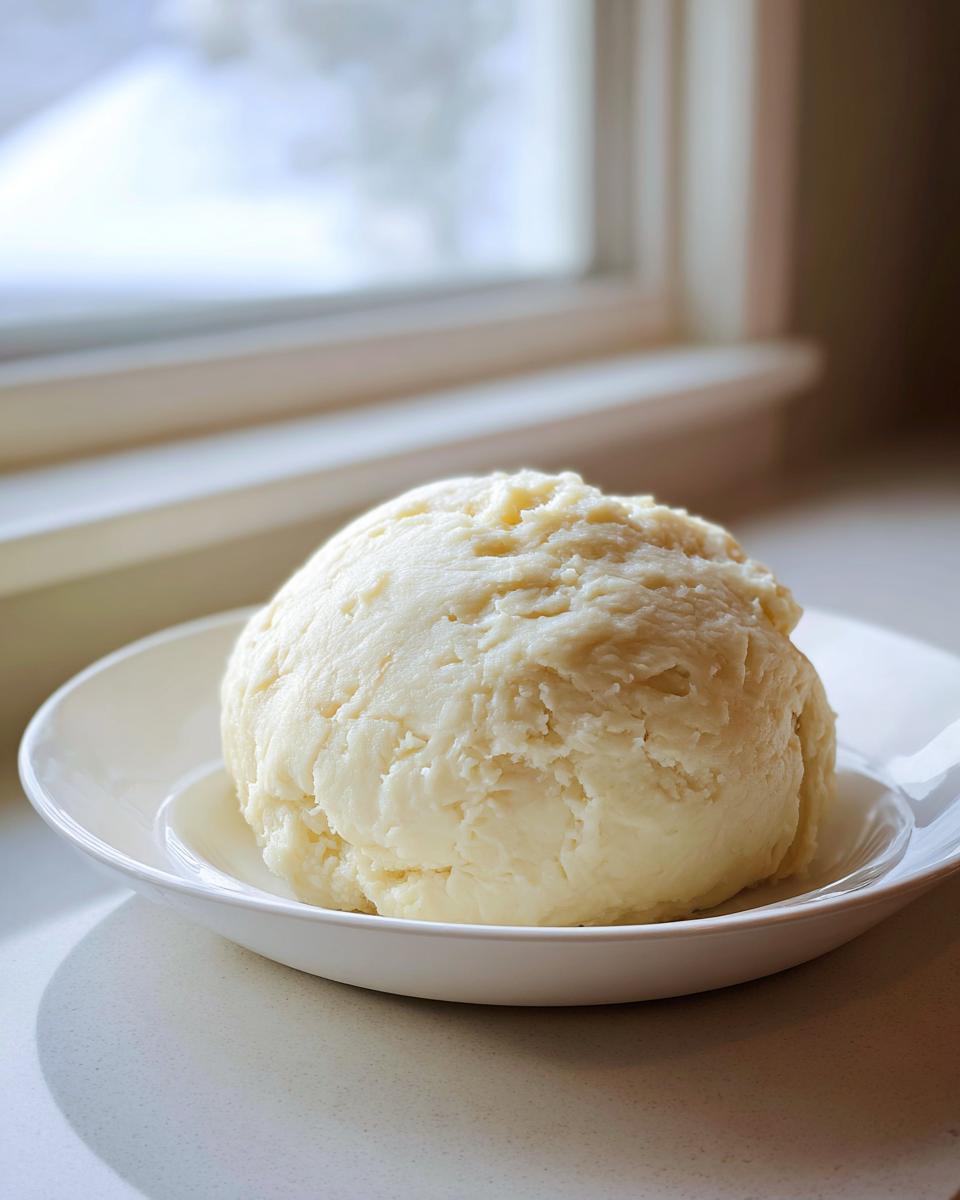
Once you have your beautiful, smooth mound ready, you place it directly into the serving bowl beside your soup. Make a little dent right in the center with your thumb or the back of a spoon. That little pocket is where all the delicious sauce will sit until you dig in. Serve it immediately. Remember, this traditional African cuisine is best enjoyed warm!
Storage and Reheating Instructions for Leftover Fufu
Now, one thing you need to know about this delicious fufu dough is that it doesn’t love the refrigerator all that much. As it cools down, that beautiful, soft texture you worked so hard for? It tightens right up and it gets really stiff—almost hard! So, try your best to enjoy it fresh the day you make it.
If you have leftovers, don’t panic, this isn’t the end of your fufu journey! You absolutely have to reheat it with moisture. I usually wrap the leftover portions loosely in plastic wrap and then steam them until they’re soft again. You can also place the dough in a bowl, add just a tiny splash of hot water, cover it tightly with a lid or foil, and microwave it in short bursts until it loosens up. That steam is crucial to bring back that nice, pliable texture for dunking into your leftover soup!
Troubleshooting Common Fufu Issues
Even though I promised this fufu recipe for beginners is super easy, sometimes, you know? Things happen in the kitchen! Don’t stress if your dough doesn’t feel perfect right away. We can fix almost anything with a little know-how.
The number one problem I hear about when folks are making this homemade West African dough is that it ends up too stiff or super dry halfway through the cooking process. If your dough is refusing to fold nicely and feels like it might crack if you try to shape it, you just need a tiny bit more liquid! Remember that hot water trick we talked about? Bring your kettle back out, and add hot water, one tablespoon at a time, while stirring constantly and vigorously. Don’t stop stirring until it loosens up. It just needed a little more hydration!
Now, what about those pesky lumps? Lumps usually happen if you didn’t mix that initial flour and water paste thoroughly enough before putting it on the heat. If you have stubborn lumps that are just refusing to break up even with the heat helping you out, you need to stir harder! Seriously, put your back into it and press that dough against the side of the pan. If it’s really bad, you can carefully remove the heavy dough from the heat and use an electric hand mixer to smooth out the paste stage next time. But for this batch, just keep working it out vigorously with your wooden spoon.
I always say, fufu preparation is all about paying attention, and these little adjustments show you’re listening to your dough. You’ve got this!
Nutritional Estimates for This African Comfort Food
I know many of you are interested in tracking your intake while enjoying delicious cultural meals, and that’s totally understandable. Since this dish is so simple, it keeps the numbers quite low, making it a wonderful, light African comfort food option. Here is what you can generally expect per serving based on my recipe testing.
Please remember that these are just estimates, as the exact nutritional data can change based on the specific brand of cassava flour you pick up!
- Serving Size: 1 ball
- Calories: 180
- Carbohydrates: 40g
- Protein: 1g
- Fat: 0.2g
It’s naturally cholesterol-free and quite low in sugar, which makes it a fantastic base for all those richer, savory soups you’ll be pairing it with!
Share Your Experience Making This Fufu
Wow, you actually made it! I genuinely hope this fufu turned out beautifully smooth and stretchy for you. This recipe is all about embracing that joy of cooking—that’s the ‘Cut, Cook, Taste’ philosophy in action—and seeing your success means everything to me. If you loved this recipe and it worked perfectly in your kitchen, please save it for later and give it a big 5 stars!
I’m dying to know what you served it with! Did you pair it with Egusi Soup or maybe something totally different? Please drop a comment below and tell me how your first time making this fufu went. I love hearing from you all and reading through your kitchen triumphs over on the blog sometimes!
PrintEasy West African Fufu Recipe for Beginners (Smooth and Stretchy)
Welcome! I’m Sarah, and I’m so happy you’re here. Learn how to make authentic West African Fufu at home using this simple, step-by-step guide. This recipe focuses on achieving that perfect soft, smooth, and stretchy texture that pairs beautifully with your favorite soups and stews.
- Prep Time: 10 min
- Cook Time: 15 min
- Total Time: 25 min
- Yield: 4 servings 1x
- Category: Side Dish
- Method: Stovetop Cooking
- Cuisine: West African
- Diet: Gluten Free
Ingredients
- 2 cups Cassava Flour (or Fufu Flour mix)
- 1 cup Water (plus more for mixing)
- 1/2 cup Plantain Flour (optional, for flavor variation)
Instructions
- Combine the cassava flour (and plantain flour, if using) in a medium saucepan.
- Add 1 cup of water to the dry ingredients and mix thoroughly with a wooden spoon until you form a smooth, thick paste. Ensure there are no dry lumps remaining.
- Place the saucepan over medium heat. Stir the mixture constantly with the wooden spoon. The mixture will begin to thicken quickly.
- Continue stirring and folding the mixture vigorously. It will transform from a thick paste into a heavy, dough-like ball. This process requires some effort to achieve a smooth consistency.
- If the dough seems too stiff or dry, add hot water, one tablespoon at a time, while continuing to stir until you reach your desired soft and stretchy texture. This is the key to smooth fufu.
- Cook for about 5 to 8 minutes, stirring constantly, until the dough is fully cooked and smooth.
- Remove from heat. Shape the fufu dough into small, smooth balls using a small bowl or plastic wrap to prevent sticking.
- Serve immediately with your favorite African comfort food, like Egusi Soup or peanut soup.
Notes
- For the smoothest result, use a sturdy wooden spoon or spatula. The dough becomes quite heavy as it cooks.
- This homemade West African dough is naturally gluten free if you only use pure cassava flour.
- Fufu preparation is easier if you have someone to help you stir during the final cooking stage.
Nutrition
- Serving Size: 1 ball
- Calories: 180
- Sugar: 0.5
- Sodium: 5
- Fat: 0.2
- Saturated Fat: 0.1
- Unsaturated Fat: 0.1
- Trans Fat: 0
- Carbohydrates: 40
- Fiber: 2
- Protein: 1
- Cholesterol: 0