
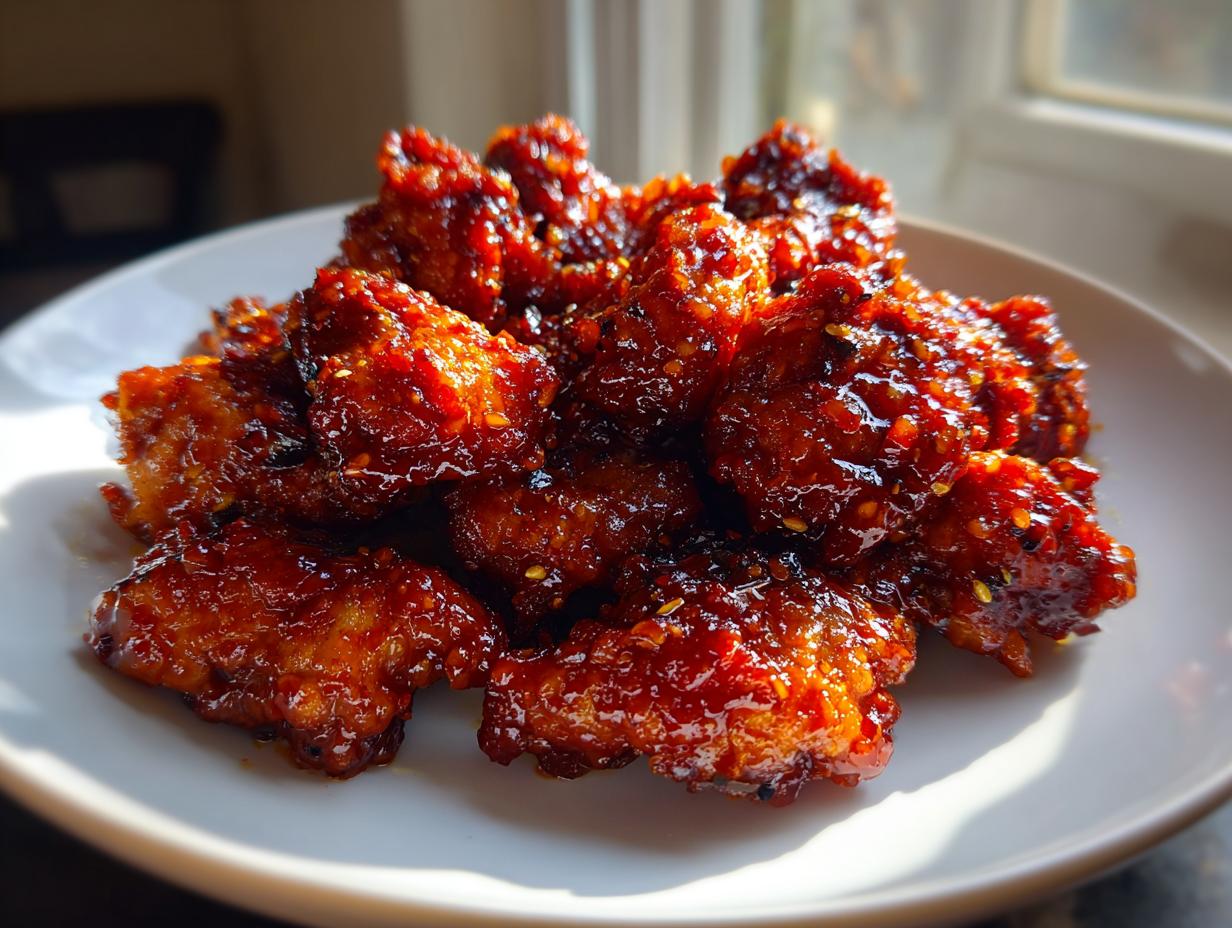

You know those nights, right? You walk in the door, everyone is hungry *now*, and the thought of a complicated recipe staring you down makes you just want to order takeout? I’ve been there a million times. That’s exactly when this Sticky Honey gochujang chicken saves the day. Seriously, I don’t think I’ve ever had a dinner that delivered this much sweet, spicy, sticky flavor in under thirty minutes. It’s the kind of recipe I keep taped to the inside of my pantry door because I know I can pull it off even when I’m running on fumes. This isn’t just some trendy recipe; it’s become the absolute cornerstone of my weeknight rotation because it’s foolproof and tastes completely restaurant-worthy. If you need satisfying, flavorful dinner ideas fast, you’ve found your winner!
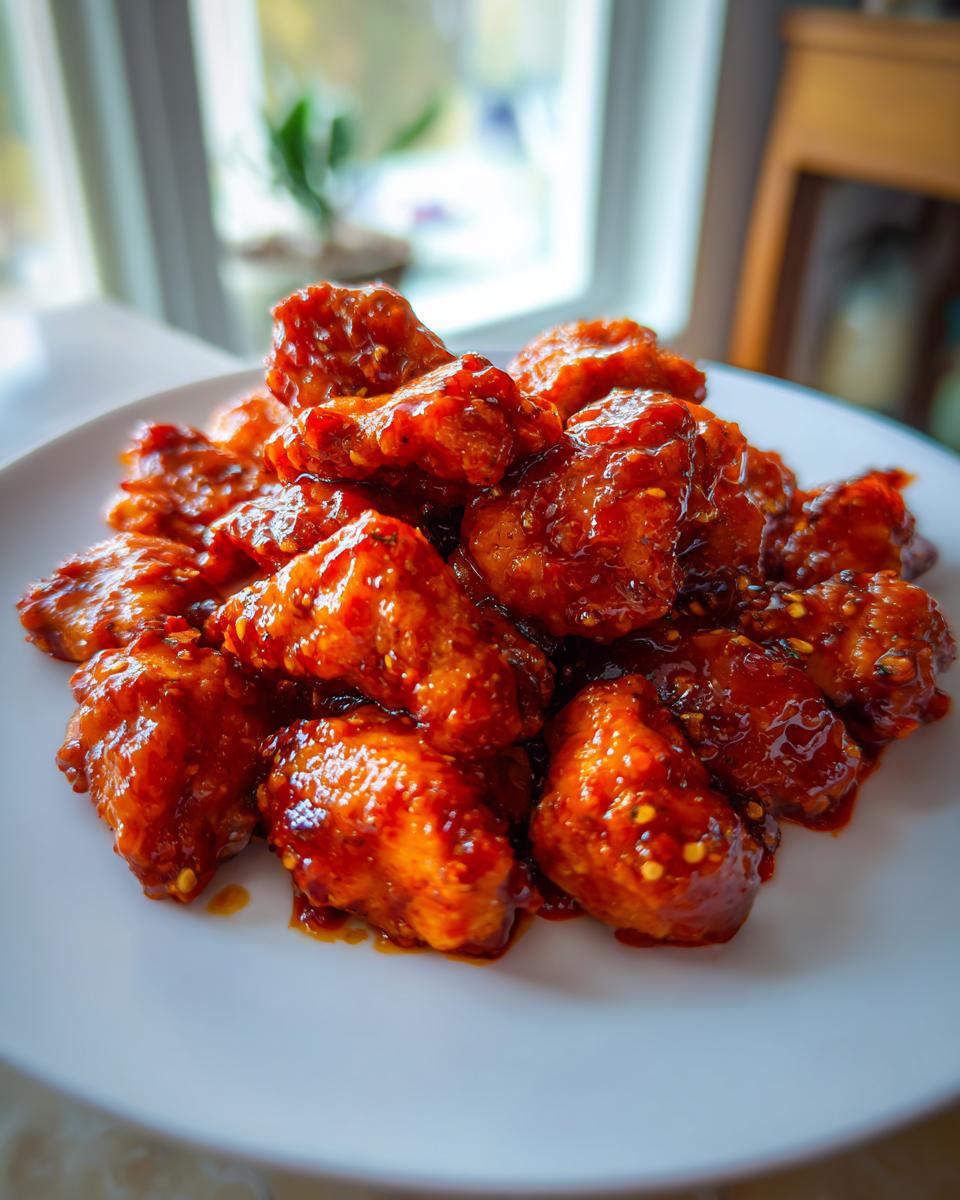
- Why This Sticky Honey Gochujang Chicken Recipe Works (Quick Weeknight Korean Chicken)
- Ingredients for Your Sticky Honey Gochujang Chicken
- How to Prepare the Best Gochujang Sauce
- Cooking the Chicken for Crispy Gochujang Chicken
- Finishing Your Quick Weeknight Korean Chicken
- Tips for Success and Air Fryer Gochujang Chicken Variation
- Serving Suggestions for Gochujang Chicken Bowls
- Storage and Reheating Instructions for Leftover Gochujang Chicken
- Frequently Asked Questions About This Recipe
Why This Sticky Honey Gochujang Chicken Recipe Works (Quick Weeknight Korean Chicken)
Honestly, I’ve tried a hundred different ways to use that glorious chili paste, but this specific combination is the one that makes people ask for the recipe immediately. It checks every box for busy home cooks. First, the flavor payoff is huge considering the minimal effort involved. Second, it nails that beautiful texture that everyone craves in Asian-inspired chicken dishes. If you’re looking for a dinner that’s quick, exciting, and doesn’t tie you to the stove for an hour, this is your answer. It really does come together faster than ordering delivery! For more quick stovetop meals, check out my directions for making easy 30-minute pepper steak stir-fry.
Perfect Sweet and Spicy Gochujang Sauce Balance
This is where the magic separates itself from just plain spicy chicken. The secret weapon here is balancing the rich heat of the gochujang with the sweetness of honey and the slight tang of rice vinegar. That little bit of acid keeps the sauce from tasting heavy or cloying. It cuts right through that aggressive chili flavor and leaves you with something beautifully complex. Trust me, you need that honey in there for that gorgeous, glossy finish!
Fast Prep for a 30 Minute Chicken Dinner
We’re not talking about an overnight marinade here, folks! Fifteen minutes while you chop your veggies and get your rice going is plenty of time for the chicken to absorb those initial savory notes from the soy sauce and ginger. Then, the actual cooking happens so fast! Searing the chicken quickly and then tossing it in the thickened glaze means this whole process easily lands you at a table in under 35 minutes. It’s truly a lifesaver for hectic evenings.
Ingredients for Your Sticky Honey Gochujang Chicken
Okay, the shopping list is super manageable, which is what I love. Most of this stuff you probably already have in your Asian pantry staples, which keeps this recipe budget-friendly and accessible. We are keeping the prep simple by using one main bowl for the chicken marinade before we tackle the sauce itself. Having everything measured out beforehand makes the actual cooking time the breeze I promised!
Here is exactly what you need for this phenomenal dinner:
- 1.5 lbs boneless, skinless chicken thighs or breasts, cut into 1-inch pieces
- 2 tablespoons soy sauce (for the marinade)
- 1 tablespoon sesame oil (for the marinade)
- 1 teaspoon ground ginger
- 1/2 teaspoon black pepper
- 1/4 cup gochujang (Korean chili paste – get the good stuff!)
- 1/4 cup honey
- 2 tablespoons rice vinegar
- 1 tablespoon soy sauce (for the sauce)
- 1 clove garlic, minced
- 1 teaspoon sesame oil (for the sauce)
- 1 tablespoon cornstarch mixed with 2 tablespoons cold water (this is your slurry!)
- Vegetable oil for pan-frying
See? Nothing too scary there! Now, just make sure you have that cornstarch slurry ready to go before you even turn on the stove, because the sauce thickens up incredibly fast once it hits the heat. That little bit of starch is what gives us that beautiful, thick coat we’re aiming for!
How to Prepare the Best Gochujang Sauce
While the marinated chicken is soaking up those initial flavors, we jump straight into the sauce. This is arguably the most critical step, because if your sauce isn’t glossy and thick enough, you just end up with spicy chicken instead of that delectable sticky honey version we are aiming for. Don’t worry, it’s super simple, but you need to keep an eye on it!
Grab a small saucepan—don’t use the same pan you cooked the chicken in, we need a clean surface here. Whisk together all your sauce components: the gochujang, honey, rice vinegar, that second measure of soy sauce, your minced garlic, and that teaspoon of sesame oil. Give it a good mix until it looks like a homogenous, terrifyingly red blob. That’s normal!
Put that saucepan over medium heat. You want it to come to a gentle simmer, not a rolling boil. Let it bubble gently for about two minutes, stirring constantly. This helps the honey dissolve fully and deepens that foundational flavor. If you rush this part, the final coating won’t be as beautiful.
Now for the thickening trick: the slurry! If you haven’t already, whisk that cornstarch and cold water together until it’s totally smooth—no lumps allowed. With the sauce still simmering gently, slowly—and I mean slowly—pour that slurry in while whisking vigorously. This takes precision!
Keep stirring for about 60 seconds. You’ll instantly see the sauce transform. It goes from runny to coating the back of your spoon like velvet. My pro tip for the Best Gochujang Sauce? Once it coats the spoon, take it off the heat immediately. Leaving it on too long after it thickens can make the cornstarch break down, and you’ll lose that amazing sticky texture we worked so hard for. Set it aside, and get ready to cook the chicken!
Cooking the Chicken for Crispy Gochujang Chicken
Alright, the sauce is ready and waiting patiently off the stove. Now, to get that beautiful texture on the chicken! We want something that has a nice little bite to it to stand up to that heavy glaze, not just soft boiled chicken floating in sauce. Remember that 15 minutes the chicken was marinating? That’s done its job. Now we hit it with high heat!
First thing: get your skillet nice and hot. I use a big, heavy skillet—cast iron is my favorite—and I add about two tablespoons of vegetable oil. You need enough oil to lightly coat the bottom of the pan, but don’t drown the chicken. High heat is your friend here. We’re aiming for a quick sear, that lovely golden-brown crust, before we introduce the glaze.
Here comes the crucial part that separates an okay dinner from a fantastic one: cook in batches! I cannot stress this enough. If you toss all the chicken in at once, the pan temperature drops instantly. Instead of searing, the chicken starts steaming in its own juices—and steamed chicken is sad chicken. So, work in one or two batches, making sure every piece gets its little patch of real estate on that hot pan surface.
Let each batch cook undisturbed for about three or four minutes until you see deep browning on the underside. Then, flip them over and cook for another few minutes until they are just cooked through. They shouldn’t be dry, but definitely no longer pink in the center. After each batch is done, transfer your perfectly seared pieces onto a clean plate while you finish the rest. If you want to see how I get amazing texture on wings (same principle applies!), check out my crispy oven-baked chicken wings guide!
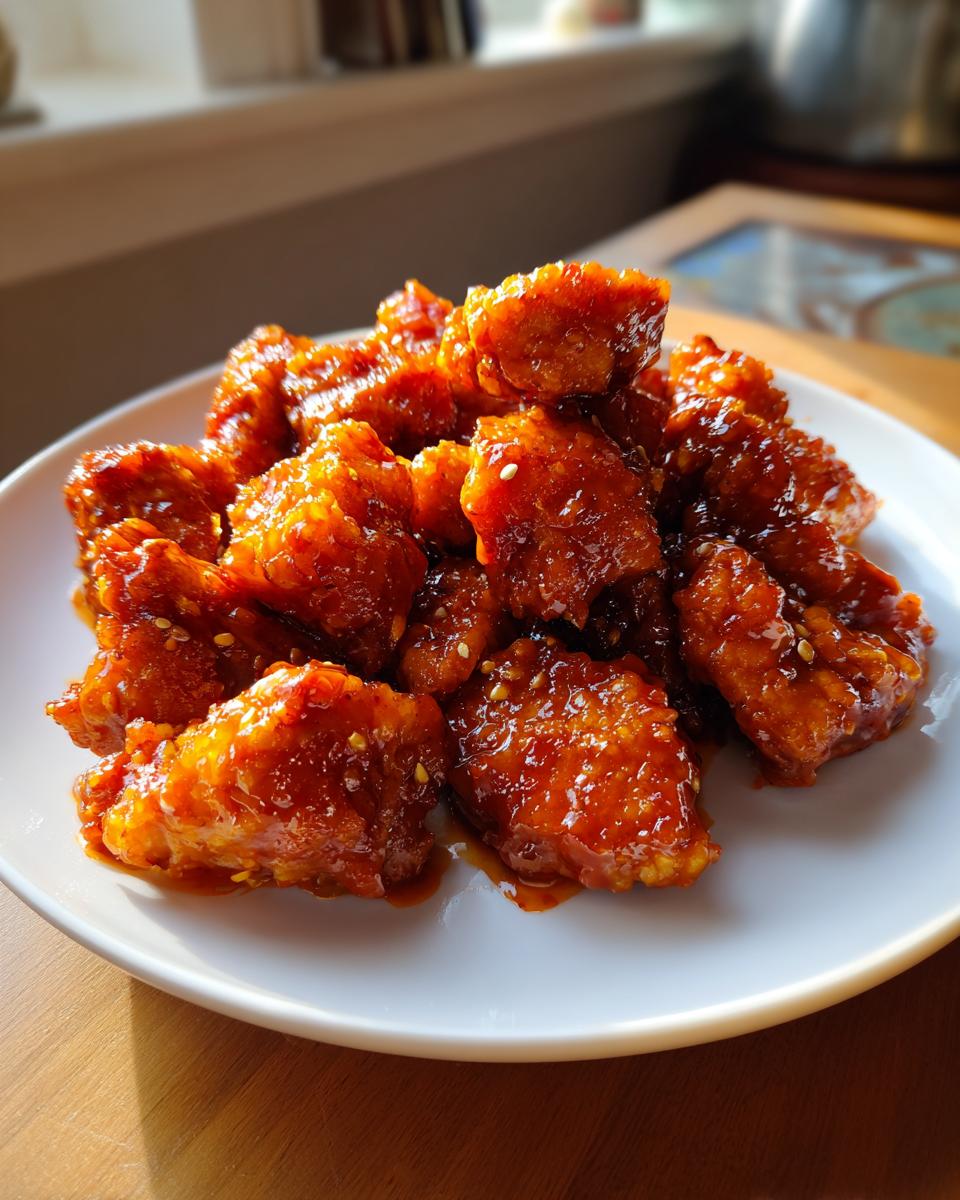
Once all your chicken is cooked, wipe out any excess oil if your pan looks greasy, but don’t clean the pan completely—leave those tasty brown bits! Return all that beautifully browned chicken back into the skillet. Now, dump that amazing, thick, sticky honey sauce right over the top. Toss everything really quickly, maybe just 30 seconds, just long enough for the sauce to thoroughly coat every piece. You don’t want to cook it long here; you’re just marrying the sauce to the chicken. That’s it! Serve it up straight away while it’s piping hot and ultra-glossy.
Finishing Your Quick Weeknight Korean Chicken
Okay, the sauce is ready and waiting patiently off the stove. Now, to get that beautiful texture on the chicken! We want something that has a nice little bite to it to stand up to that heavy glaze, not just soft boiled chicken floating in sauce. Remember that 15 minutes the chicken was marinating? That’s done its job. Now we hit it with high heat!
First thing: get your skillet nice and hot. I use a big, heavy skillet—cast iron is my favorite—and I add about two tablespoons of vegetable oil. You need enough oil to lightly coat the bottom of the pan, but don’t drown the chicken. High heat is your friend here. We’re aiming for a quick sear, that lovely golden-brown crust, before we introduce the glaze.
Here comes the crucial part that separates an okay dinner from a fantastic one: cook in batches! I cannot stress this enough. If you toss all the chicken in at once, the pan temperature drops instantly. Instead of searing, the chicken starts steaming in its own juices—and steamed chicken is sad chicken. So, work in one or two batches, making sure every piece gets its little patch of real estate on that hot pan surface.
Let each batch cook undisturbed for about three or four minutes until you see deep browning on the underside. Then, flip them over and cook for another few minutes until they are just cooked through. They shouldn’t be dry, but definitely no longer pink in the center. After each batch is done, transfer your perfectly seared pieces onto a clean plate while you finish the rest. If you want to see how I get amazing texture on wings (same principle applies!), check out my crispy oven-baked chicken wings guide!
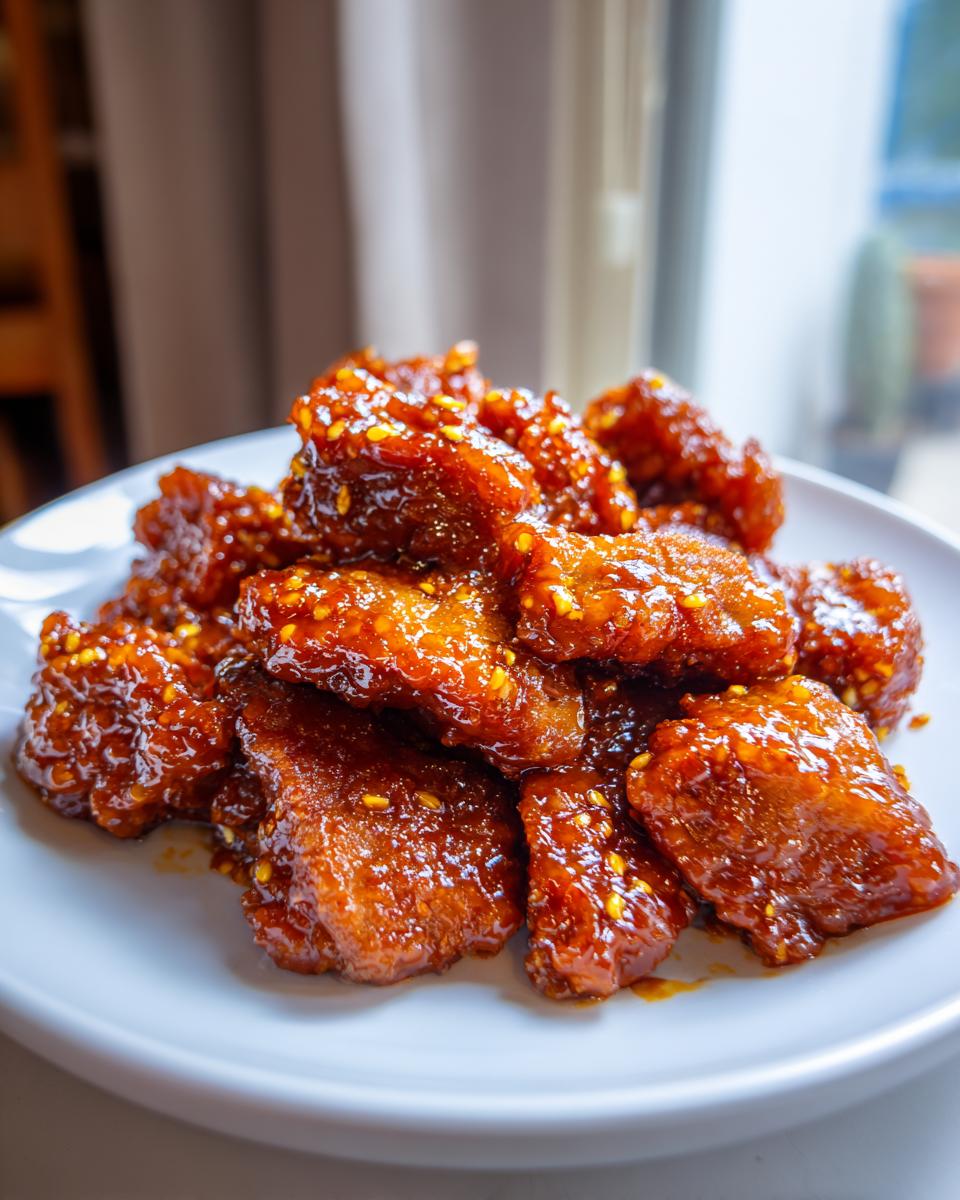
Once all your chicken is cooked, wipe out any excess oil if your pan looks greasy, but don’t clean the pan completely—leave those tasty brown bits! Return all that beautifully browned chicken back into the skillet. Now, dump that amazing, thick, sticky honey sauce right over the top. Toss everything really quickly, maybe just 30 seconds, just long enough for the sauce to thoroughly coat every piece. You don’t want to cook it long here; you’re just marrying the sauce to the chicken. That’s it! Serve it up straight away while it’s piping hot and ultra-glossy. For more fantastic quick weeknight Korean chicken inspiration, keep reading!
Tips for Success and Air Fryer Gochujang Chicken Variation
Look, I adore using my skillet for that crispy exterior, but I get it—sometimes cleanup is a nightmare, or maybe you just don’t want to use a drop of extra oil. That’s why I always have a solid backup plan for meals like this! Getting the right consistency on that sauce and knowing how to adjust for different cooking methods is really what separates a good batch from a truly fantastic one. If you’re curious about other fantastic things you can make in the air fryer, you have to check out my recipe for air fryer Nutella bombs—they are dangerously good!
Making Air Fryer Gochujang Chicken
If you’re swapping the skillet for the air fryer basket, it’s super easy, but you need to adjust the timing slightly. Toss your marinated chicken pieces with just one teaspoon of oil—that’s all you need to prevent sticking—and spread them out in a single layer in the basket. Preheat your air fryer to 380°F (195°C), which is a nice medium-high heat that gets the job done without burning the chili paste too fast.
Cook for about 12 to 15 minutes total. Shaking the basket vigorously halfway through, around the 7 or 8-minute mark, is essential to make sure all sides get that golden color. Once they look cooked through and slightly browned, pull them out, and then you can toss them immediately with the sauce you made on the stovetop. That way, the glaze gets sticky without burning in the machine.
Ingredient Notes and Substitutions
A few quick notes about ingredients that always seem to pop up! First, gochujang can be tricky to find if you live far from a good Asian market, but many larger standard grocery stores carry it now. If you can’t find it, you *can* technically use sriracha mixed with a tiny bit of miso paste, but honestly, the flavor won’t be the same depth. Stick to gochujang if you can!
For the chicken cuts, I prefer thighs because they stay juicy even when fried or air-fried, but breasts work fine if you watch them closely in the skillet—remember, they cook faster and can dry out quicker than thighs. And please, please, please don’t forget the finishing touch! Whether you are serving this over rice or just eating it straight from the pan (I’m not judging!), garnish it generously right before serving with toasted sesame seeds and freshly sliced green onions. It adds a perfect little pop of color and freshness!
Serving Suggestions for Gochujang Chicken Bowls
The best part about having such an intensely flavored main dish is that the sides can be super simple, and it still feels like a feast! Because this Sticky Honey Gochujang Chicken is so wonderfully glossy and rich, you really need something neutral and fluffy to absorb all that incredible sauce. Think of it less as a side dish and more as the necessary foundation for your flavor adventure.
Step seven in the directions told you to serve it over rice, and that’s my number one recommendation. Plain steamed white rice is perfect, but if you want to elevate the whole experience—which, when you’ve worked this hard, you absolutely should!—try making a quick batch of cilantro lime rice. It’s bright, zesty, and cuts through the sweetness of the honey glaze beautifully. You can find my foolproof guide for making easy fluffy cilantro lime rice right here on the blog.
If you’re trying to keep it low-carb or just want to get some greens in there, steaming or lightly blanching your vegetables is perfect. You don’t want to overcook them because they should maintain a nice crisp snap when you bite into them. Broccoli florets are amazing because they soak up the glaze when you mix everything in the bowl. Quick-steamed snap peas or blanched asparagus spears are also wonderful companions.
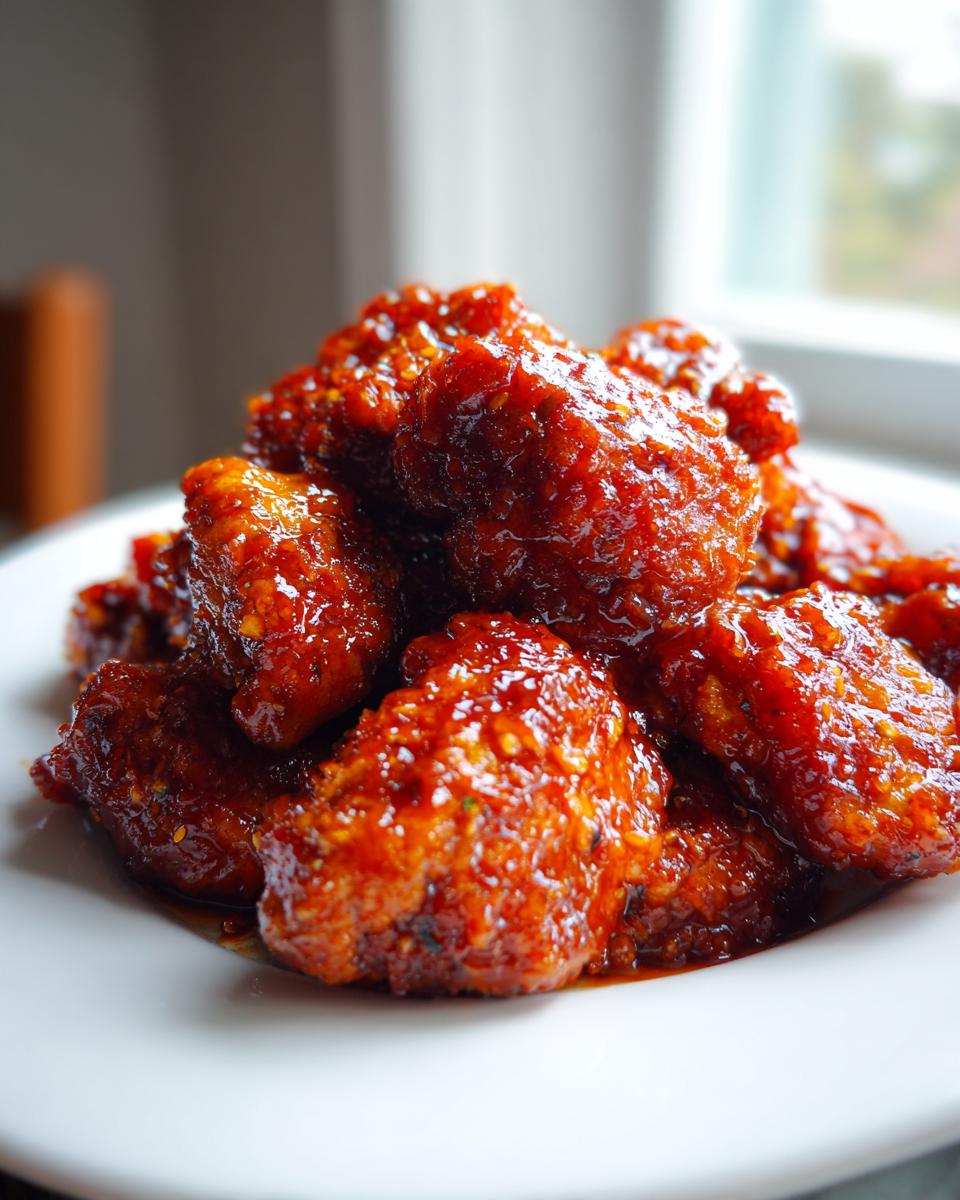
When assembling your final Gochujang Chicken Bowl, layer it up: start with a big scoop of rice, pile the saucy chicken on top, and then arrange those bright green veggies around the edges. Don’t forget a fresh sprinkle of those reserved green onions and sesame seeds! It looks impressive, tastes divine, and requires almost no extra effort once the main components are cooked.
Storage and Reheating Instructions for Leftover Gochujang Chicken
First off, let’s be real: if you followed the recipe right, there probably won’t be many leftovers! But, in the rare event that you score some of this sticky goodness for lunch the next day, I’ve got the best methods for keeping it tasting almost as good as fresh.
Since this chicken is coated in a thick glaze made with honey and cornstarch, it does behave a little differently when chilled. The sauce tends to firm up quite a bit in the fridge, which isn’t a bad thing, but it means we can’t just reheat it the standard microwave way without risking some rubbery spots.
For storage, pop any leftovers into a shallow, airtight container. You want the container to be relatively shallow so that the leftover chicken isn’t stacked too high, which helps it cool down faster and prevents too much moisture buildup overnight. It’s perfectly safe in the refrigerator for up to three days, though I highly doubt it will last that long.
Now for reheating—this is where we save the texture!
My most highly recommended reheating method is on the stovetop. Seriously, this takes five minutes and makes all the difference. Toss the cold chicken right into a small skillet over medium-low heat—no extra oil necessary unless the pan is completely dry. As it gently warms up, the glaze will start to melt again, returning to that glorious sticky state. You just stir it gently until it’s warmed through. It takes a little patience, but the texture is 99% like fresh!
If you are absolutely desperate and need instant gratification, you can use the microwave, but you have to go low and slow. Nuke it for 30 seconds on 50% power. Then check it, stir it, and repeat in 15 or 20-second bursts. Microwaving food coated in sugar-based sauces directly on high heat tends to make the sugar burn or seize up, so lower power is your best friend here. It just protects that beautiful glaze!
If you’re freezing it, which I don’t recommend for more than a month because the texture of the glaze isn’t quite as good after thawing, make sure you put it in a freezer-safe bag or container and get as much air out as you can. Thaw it overnight in the fridge first, and then use the stovetop reheating method described above!
Frequently Asked Questions About This Recipe
I always get questions about this dish because everyone wants to nail that perfect flavor profile! It’s a fantastic base recipe, but sometimes people worry about the heat or the ingredients. I’m happy to walk you through those little snags so your dinner is perfect every time. If you have other questions that I didn’t cover here, feel free to reach out via my contact page!
How spicy is this Easy Gochujang Chicken Recipe?
That heat level really depends on the brand of gochujang you use, because they aren’t all created equal! Generally, I find this recipe strikes a perfect medium—it has a noticeable, warming spice, but the honey balances it so you aren’t sweating buckets. If you are sensitive to spice, here’s what I do: start by cutting the gochujang down to just 3 tablespoons instead of a full quarter cup. Then, taste the sauce before you thicken it with the slurry. If it needs a kick, add a tiny dab more. Conversely, if you love serious heat, try using Gochugaru (Korean chili flakes) mixed in with your marinade for an extra layer of fire!
Can I use chicken breast instead of thighs?
Yes, absolutely! I usually default to boneless, skinless chicken thighs because they are much more forgiving; they can handle the high heat searing and the simmering in the glaze without drying out. If you choose chicken breast, just be extra mindful during the pan-frying stage (Step 5). Chicken breast cooks faster, so pull it off the heat the *moment* it loses its pink center. Since the liquid glaze will continue to cook it slightly even off the heat, you want to err on the side of underdone before you toss it in the sauce. It ensures a surprisingly tender result, even with leaner meat!
What is the best way to serve this Spicy Korean Chicken Dinner?
Honestly, it’s begging to be served in a bowl! That rich, thick sauce needs a vehicle to carry it to your mouth, and that’s where rice comes in. As I mentioned before, creamy coconut rice or that zesty cilantro lime rice really balances out the spice. If you want a lighter approach to this Spicy Korean Chicken Dinner, skip the rice and pile it high over cauliflower rice or even sturdy greens like shredded cabbage or kale.
But really, the best serving suggestion involves texture. Make sure you have something fresh on the side! Steamed green beans, lightly sautéed shiitake mushrooms, or even just some raw, crunchy carrot sticks alongside it offer a welcome break from the richness of that sticky glaze. It makes the whole meal feel balanced and complete!
PrintSticky Honey Gochujang Chicken
Make this quick and easy sticky honey gochujang chicken for a flavorful weeknight dinner. The sauce balances sweet and spicy notes perfectly.
- Prep Time: 15 min
- Cook Time: 20 min
- Total Time: 35 min
- Yield: 4 servings 1x
- Category: Dinner
- Method: Pan-Frying
- Cuisine: Korean
- Diet: Low Fat
Ingredients
- 1.5 lbs boneless, skinless chicken thighs or breasts, cut into 1-inch pieces
- 2 tablespoons soy sauce
- 1 tablespoon sesame oil
- 1 teaspoon ground ginger
- 1/2 teaspoon black pepper
- 1/4 cup gochujang (Korean chili paste)
- 1/4 cup honey
- 2 tablespoons rice vinegar
- 1 tablespoon soy sauce (for sauce)
- 1 clove garlic, minced
- 1 teaspoon sesame oil (for sauce)
- 1 tablespoon cornstarch mixed with 2 tablespoons cold water (slurry)
- Vegetable oil for pan-frying
Instructions
- In a bowl, combine the chicken pieces with 2 tablespoons soy sauce, 1 tablespoon sesame oil, ginger, and pepper. Marinate for at least 15 minutes.
- While the chicken marinates, prepare the sauce. In a small saucepan, whisk together gochujang, honey, rice vinegar, 1 tablespoon soy sauce, minced garlic, and 1 teaspoon sesame oil.
- Heat the saucepan over medium heat and bring the sauce to a gentle simmer. Cook for 2 minutes, stirring constantly.
- Whisk the cornstarch slurry again and slowly pour it into the simmering sauce while whisking. Continue to cook until the sauce thickens enough to coat the back of a spoon, about 1 minute. Remove from heat.
- Heat 2 tablespoons of vegetable oil in a large skillet over medium-high heat. Add the marinated chicken in a single layer, working in batches if necessary, and cook until browned and cooked through, about 5 to 7 minutes.
- Return all the cooked chicken to the skillet. Pour the prepared gochujang sauce over the chicken. Toss quickly to coat the chicken completely in the sticky glaze.
- Serve immediately over rice with steamed vegetables for a complete meal.
Notes
- For an air fryer version, toss the marinated chicken with 1 teaspoon of oil and air fry at 380°F (195°C) for 12-15 minutes, shaking halfway. Toss with the prepared sauce before serving.
- If you prefer a thinner glaze, reduce the amount of cornstarch in the slurry to 1.5 teaspoons.
- Garnish with toasted sesame seeds and sliced green onions before serving.
Nutrition
- Serving Size: 1 serving
- Calories: 450
- Sugar: 22
- Sodium: 650
- Fat: 15
- Saturated Fat: 3
- Unsaturated Fat: 12
- Trans Fat: 0
- Carbohydrates: 30
- Fiber: 1
- Protein: 45
- Cholesterol: 110