
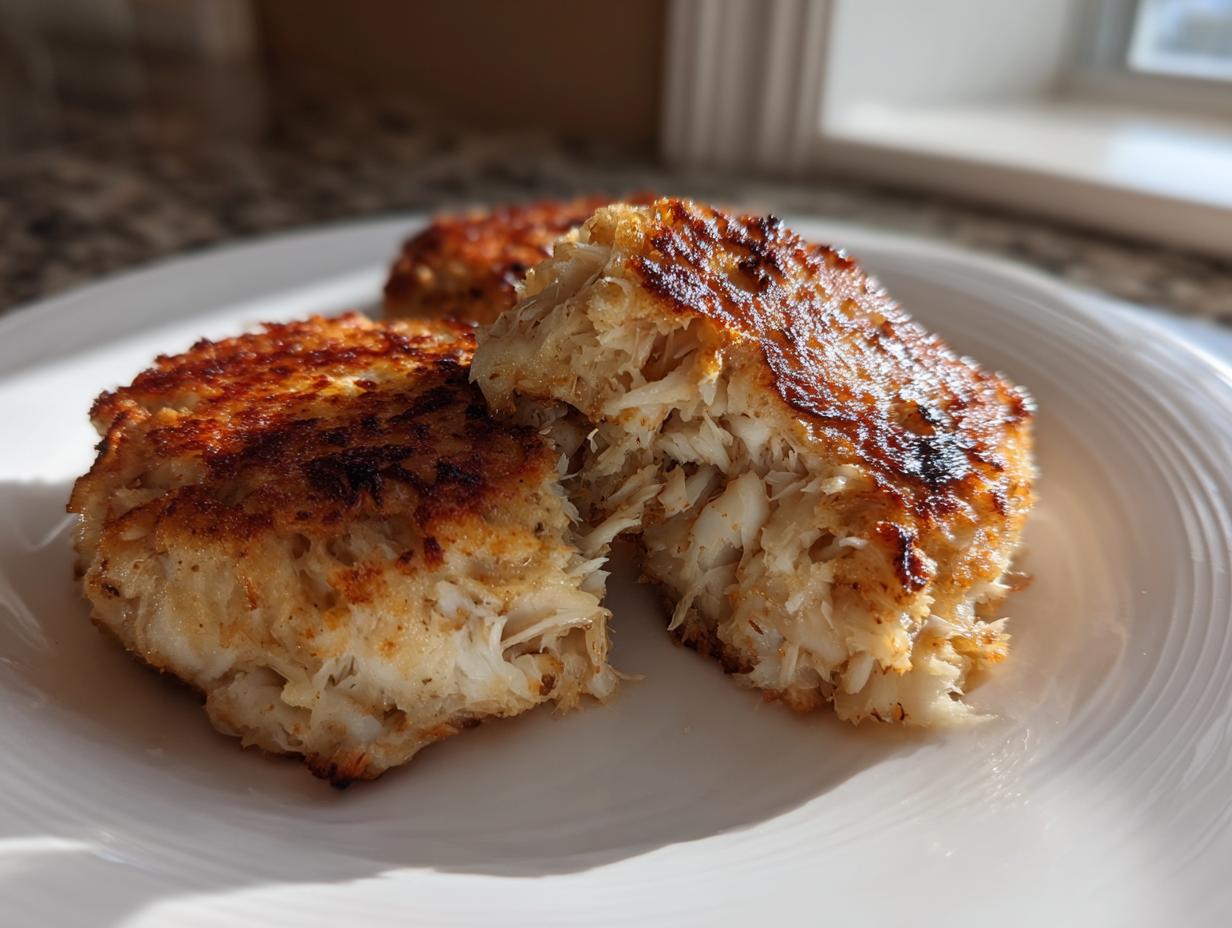

Oh, my gosh, are you dreaming of that perfect bite? That moment where you bite through a crackly, golden crust and hit sweet, tender crab meat? I know I am! Seriously, few dishes scream ‘celebration’ and ‘comfort’ quite like amazing seafood, and when it comes to the classic American icon, nothing beats the real deal. Forget those sad, dry patties loaded with filler. Today, we’re making authentic, restaurant-style maryland crab cakes right here in your own kitchen. This isn’t just a recipe; it’s my commitment to using the best ingredients possible to make sure the crab—the star of the show—really shines through. Trust me, after you try this minimum-filler method, you won’t look back. You can find the full printable recipe ready for your dinner plans right here!
- Why This Is the Best Recipe for Maryland Crab Cakes
- Gathering Ingredients for Authentic Maryland Crab Cakes
- Step-by-Step Instructions for Perfect Restaurant Style Maryland Crab Cakes
- Mastering the Cook: How to Make Crispy Maryland Crab Cakes
- Tips for Success with Your Lump Crab Meat Recipes
- Serving Suggestions for Your Homemade Maryland Crab Cakes
- Storing and Reheating Leftover Maryland Crab Cakes
- Frequently Asked Questions About Classic Maryland Crab Cakes
- Nutritional Estimates for These Maryland Crab Cakes
Why This Is the Best Recipe for Maryland Crab Cakes
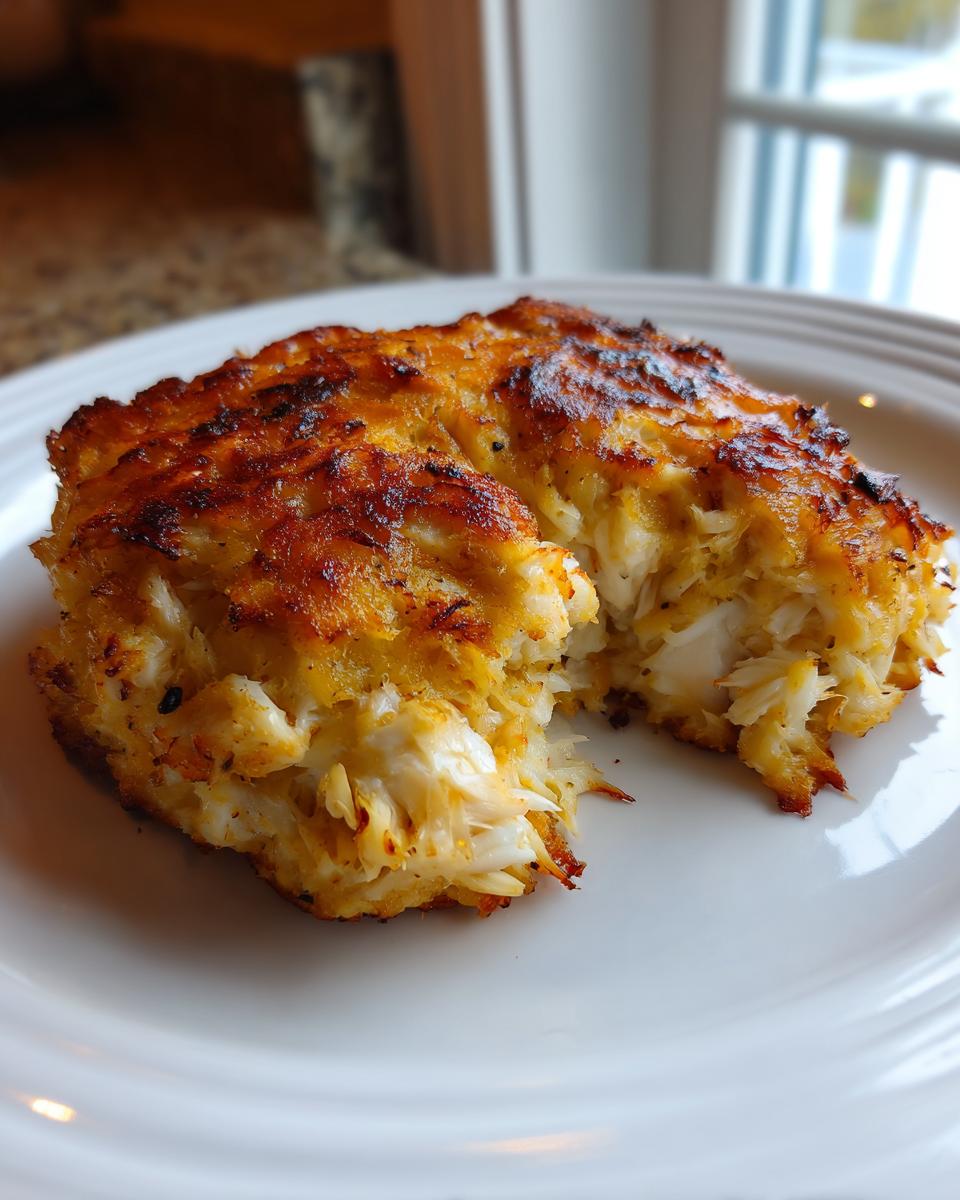
I want you to get that genuine Chesapeake Bay experience, and that means stripping away the fluff! This recipe for maryland crab cakes is designed to honor the crab itself. If you’re looking for a recipe that prioritizes that sweet, delicate crab flavor over breadcrumbs, you’ve found it. We keep what holds it together and toss out everything else. That’s why I’m linking you to my full guide on the best crab cake recipe minimal filler, because trust me, this is the real deal. It tastes just like stepping into a busy waterfront restaurant.
Focus on Jumbo Lump Crab Meat
Listen closely, because this is non-negotiable for an authentic experience: you absolutely must use jumbo lump crab meat. The beauty of true maryland crab cakes is seeing beautiful, fist-sized lumps of crab folded together. They provide that dreamy, tender texture in the middle. If you skimp here, you end up with crab mush, and we absolutely refuse to make crab mush!
Achieving the Crispy Exterior on Your Maryland Crab Cakes
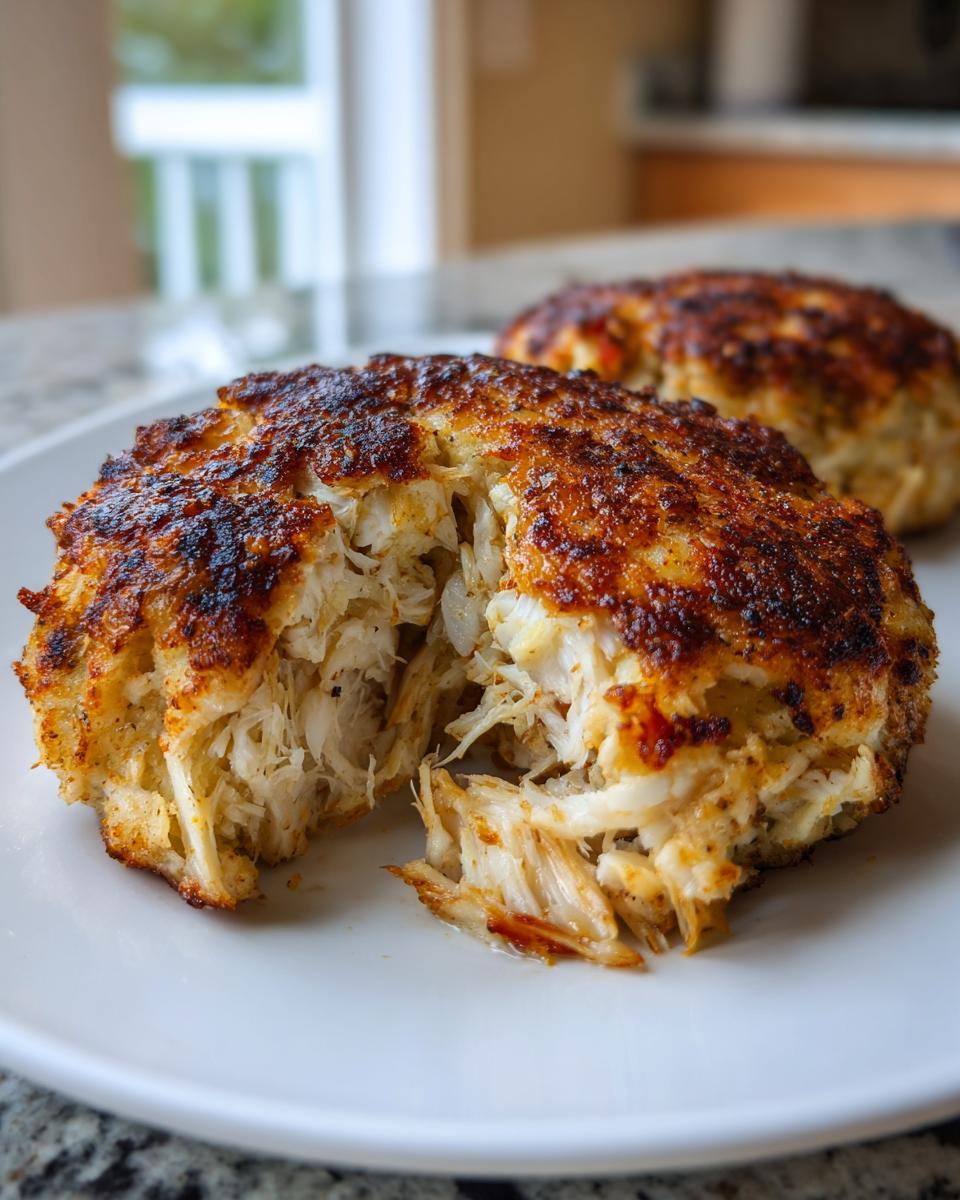
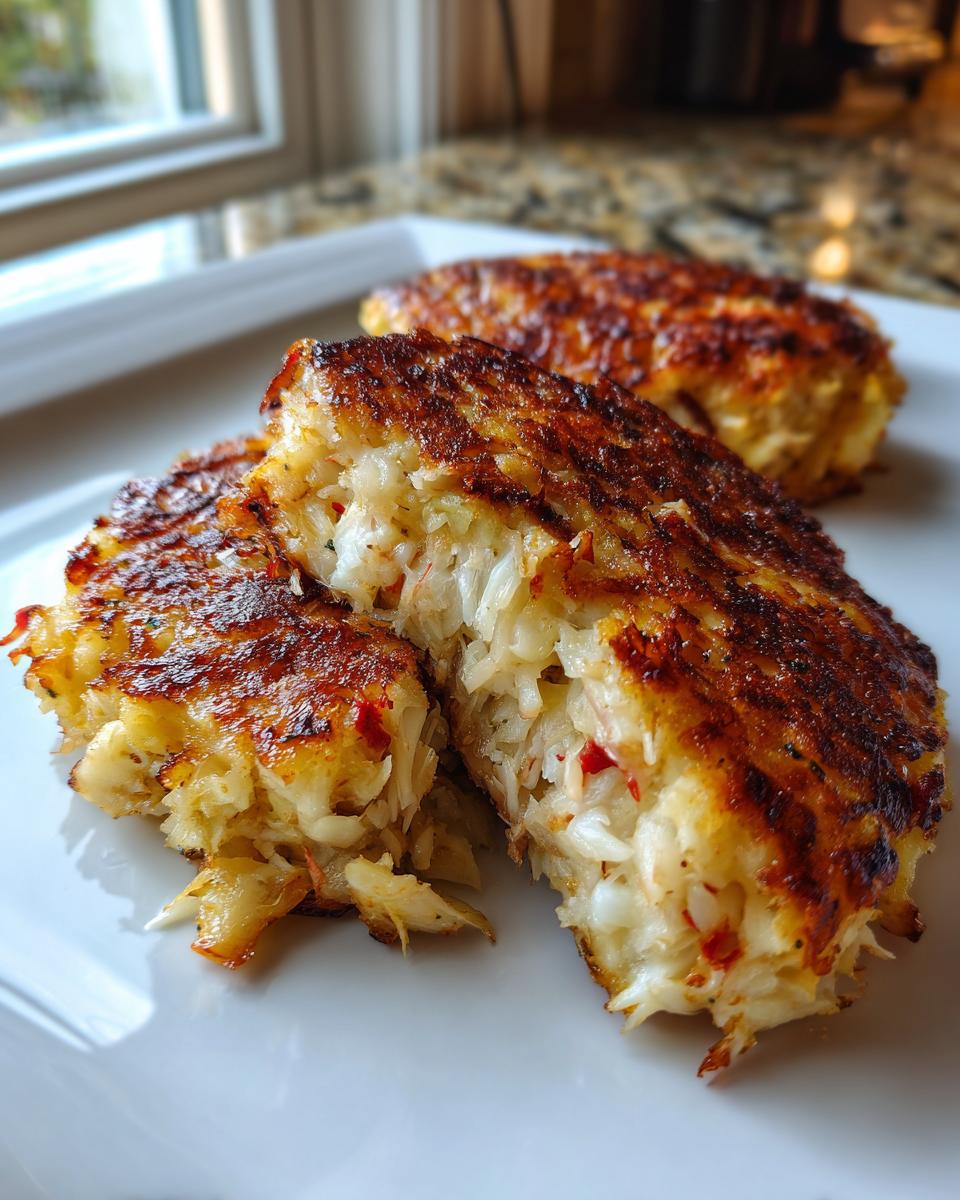
So many people bake or deep-fry, leading to dry cakes. If you want to master how to make crab cakes crispy, you need a hot skillet. We use a little melted butter and sear them fast. This gives you that gorgeous, golden-brown crust that locks in all the moisture inside where it belongs. It’s a quick hit of high heat that makes all the difference between a good cake and a *great* cake.
Gathering Ingredients for Authentic Maryland Crab Cakes
Okay, let’s talk ingredients for these incredible maryland crab cakes. When you’re aiming for restaurant quality, you can’t just throw stuff in! Everything listed below is crucial for that classic Chesapeake Bay flavor profile. Make sure you have that beautiful jumbo lump crab meat ready to go, and please, don’t forget the Old Bay! It’s the secret handshake for all great seafood appetizers. I’ve got my favorite way to use it outlined here if you need some inspiration!
Ingredient Notes and Substitutions for Maryland Crab Cakes
I always get questions about the binder, so let me clear that up! For our saltine cracker crumbs, if you’re going gluten free crab cakes, you can easily swap those out for a gluten-free cracker or even almond flour. But if you truly want the *minimal filler* approach, forget the crackers entirely! Try combining just one tablespoon of mayo with one teaspoon of Dijon mustard instead. That tiny bit of goo holds the lumps just enough so they don’t crumble apart when you cook them. It keeps the focus squarely where it belongs: on that sweet, sweet crab.
Step-by-Step Instructions for Perfect Restaurant Style Maryland Crab Cakes
I know you’re excited to get cooking, but slow down just a tiny bit here! The success of truly amazing maryland crab cakes—the ones that stay tender and don’t fall apart on the plate—comes down to how gently you treat the mixture. We are building something delicate here, not concrete! Follow these steps exactly, and you’ll be serving up restaurant-style perfection in no time. You can find my full guide on how to make these restaurant style crab cakes at home if you need a visual reminder!
Mixing the Maryland Crab Cake Binder Gently
First, gently pick through your lump crab meat. I mean *gently*! You want to check for shells, but you absolutely do not want to start shredding the beautiful lumps we paid good money for. Once you’ve whisked your wet ingredients—that mayo, egg, mustard, and seasonings—pour it over the crab meat and crumbs. Now, grab a rubber spatula. I want you to *fold*. Seriously, use that spatula to turn the mixture over slowly from the bottom to the top, just until everything is barely moistened. Stop mixing the second you don’t see dry streaks anymore. Overmixing develops gluten in those tiny crumbs, and that ruins the promised texture of our classic maryland crab cakes.
Forming and Chilling the Crab Cakes
Divide that mixture into four equal parts. Now, this is important: form them lightly into patties about an inch thick. Don’t press them down hard onto the counter; just cup your hands around the mixture and gently encourage it into shape. They should be thick and proud! Once they look like gorgeous little cakes, place them on parchment-lined paper and get them in the fridge. Chilling for at least 30 minutes is not optional—it’s what firms up the binder so they don’t turn into spaghetti when they hit the hot pan.
Mastering the Cook: How to Make Crispy Maryland Crab Cakes
Alright, the chilling is done, and those beautiful maryland crab cakes are firm and ready for their moment! Remember, the goal here is that signature golden crust. We’re using a hot skillet and melted butter—nothing fancy, just good heat control. Set your burner to medium heat; you want the butter to sizzle when the cake hits it, but you don’t want it smoking like crazy either. Pop those chilled patties in carefully, making sure they aren’t touching. We cook them for about four or five minutes per side. That’s what gets the texture bouncy on the inside and seriously crispy on the outside!
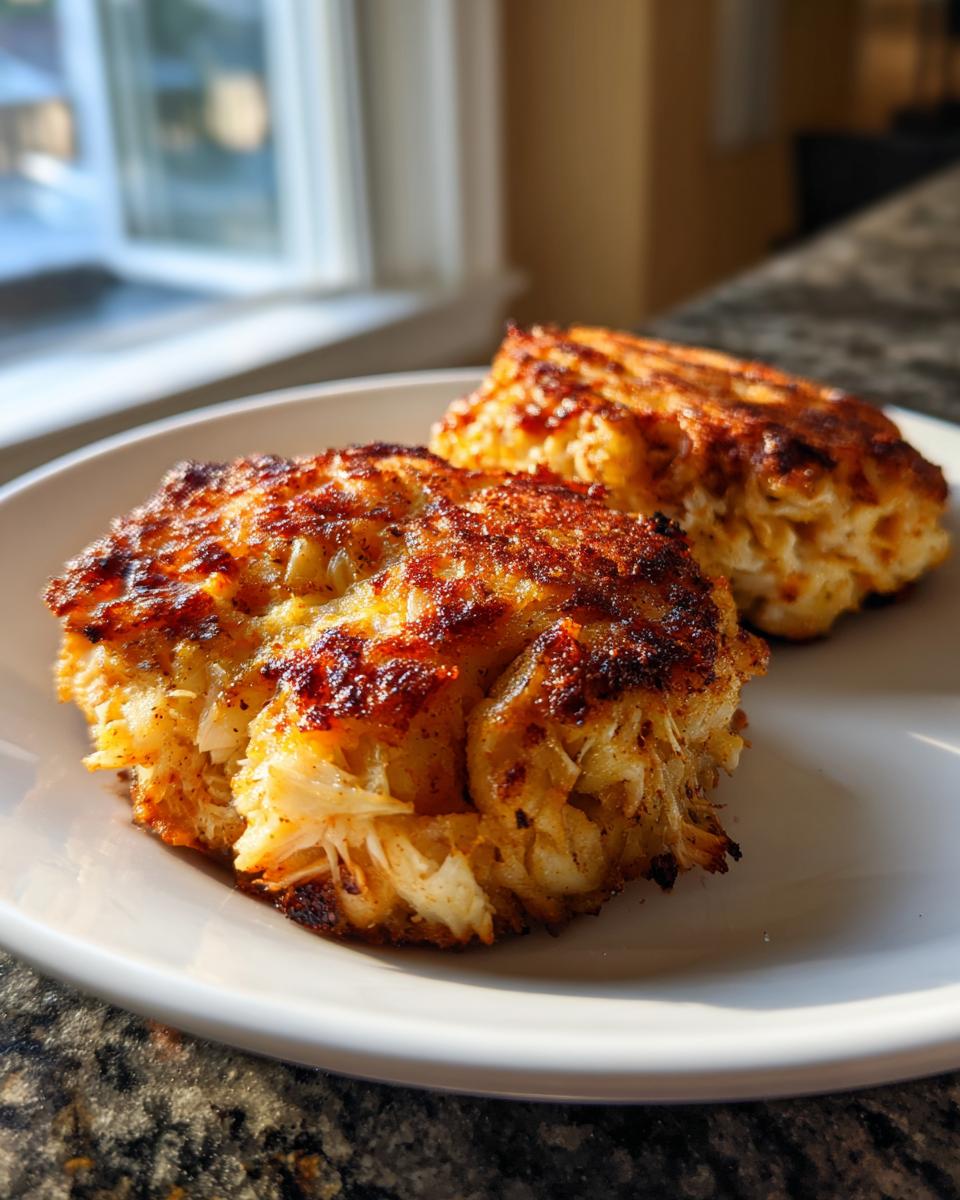
If you’re feeling extra fancy, or if your cakes are really thick, I highly recommend trying the combo method mentioned in the notes. Sear them for just two minutes on each side to get that color, and then pop the whole skillet (if it’s oven-safe, of course!) into a 400°F oven for about eight minutes. This guarantees they are heated through perfectly without risking a burnt exterior. It’s an easy step that seals the deal for an amazing seafood dinner idea!
Tips for Success with Your Lump Crab Meat Recipes
Even with the perfect recipe, handling premium ingredients makes or breaks the final product, you know? Since we’re focusing on these incredible lump crab meat recipes, I want to share my sourcing philosophy. Always try to buy your crab meat packed in water, not too much extra liquid, but definitely rinsed of any preservatives. When inspecting it, look for beautiful, intact hunks. If it smells strongly ‘fishy,’ put it back—fresh crab should smell sweet, like the ocean!
When you get it home, don’t mess with it until you are ready to mix the binding agents in. That gentleness I preached earlier? It’s the secret weapon. Keep everything cold until the absolute last second. You can check out my ideas for other easy crab cakes using different types of seafood over here, but for these Maryland classics, respect the lump, and they will reward you beautifully!
Serving Suggestions for Your Homemade Maryland Crab Cakes
Now that you’ve made these stunning maryland crab cakes, the only question left is how to serve them! Honestly, they are so flavorful, they don’t need much fuss. For an easy weeknight dinner, I love having two cakes next to some steamed asparagus or maybe some creamy coleslaw. If you are looking to impress, you absolutely have to pair them with something tangy. I have the absolute best recipe for homemade tartar sauce for crab cakes that cuts through the richness perfectly. They are also fantastic served simply as a seafood appetizer!
Building the Ultimate Maryland Crab Cake Sandwich
But let’s be real, sometimes a cake just needs to be a sandwich, right? If you’re making crab cake sandwich ideas, you need the right foundation. Don’t use just any stale bun! I prefer a soft brioche roll—lightly toasted with a schmear of spicy remoulade sauce on both sides. Pile that golden-brown Maryland cake right in there, maybe add a slice of crisp lettuce and a tomato wedge if you insist on adding veggies. It’s messy, it’s decadent, and it is the perfect way to finish off a batch of these beauties.
Storing and Reheating Leftover Maryland Crab Cakes
If you’re lucky enough to have any of these amazing maryland crab cakes left over—which is rare around my house!—storage is straightforward. You want to keep them cold, wrapped tightly in the fridge, for up to two days. The real trick is the reheating, because we hate sogginess!
Forget the microwave; it turns them into steamed sadness. The best way is to warm them up slowly in a moderate oven, maybe 325°F, on a lightly oiled baking sheet for about 10 to 12 minutes. This warms them through while helping that crispy exterior firm back up a bit before you serve them, maybe as part of a light seafood appetizer recipe the next day.
Frequently Asked Questions About Classic Maryland Crab Cakes
When you’re making something as important as a truly authentic seafood dish, questions pop up! I’ve gathered the ones I hear most often about these maryland crab cakes. Don’t worry if you’re new to crab; we’ll get you squared away so your first batch is a smash hit!
Can I bake these maryland crab cakes instead of pan-searing?
Yes, you totally can, but just know you’re sacrificing a little something! Baking is definitely easier and uses less fat, making them a bit lighter. However, the pan-searing step is what gives our maryland crab cakes that signature golden, crispy crust. If you bake them the whole way through (say, at 375°F for about 15 minutes), they will be softer and more tender on the outside, leaning closer to a crab imperial texture than a classic pan-fried cake. For the best result, I always suggest that quick sear first!
What is the best way to incorporate Old Bay Seasoning recipes?
For the most authentic flavor in these maryland crab cakes, you need Old Bay in two places. First, make sure you mix the measured teaspoon right into your mayonnaise binder along with the mustard and Worcestershire sauce. This ensures the spice is distributed evenly throughout the meat before cooking. Second, and this is my pro tip, give the outside a very light dusting of extra Old Bay right before they hit that hot butter in the pan. It toasts slightly, bringing out that sharp, savory aroma immediately. It really locks in that classic Chesapeake flavor!
Tell me about the filler—can I really use none?
That’s what everyone asks! If you want the absolute purest taste, you can skip the saltine crumbs entirely and use the substitute I mentioned: just one tablespoon of mayo mixed with one teaspoon of Dijon mustard as your binder. It uses just enough moisture to hold those glorious jumbo lumps together without adding any bulk. That minimal filler approach is what makes these truly worthy of being called classic maryland crab cakes.
Nutritional Estimates for These Maryland Crab Cakes
Now, because we are using rich jumbo lump crab meat and real mayonnaise, these aren’t exactly a diet food, but they are certainly an indulgence worth having! Keep in mind that these numbers are just general estimates per cake. The actual nutritional count will swing up or down depending on the brands of mayonnaise or crackers you choose in your own kitchen. I always advise measuring your ingredients when possible, but if you’re just eyeballing for a casual Tuesday night, don’t sweat the small stuff too much!
- Serving Size: 1 cake
- Calories: 350
- Fat: 24g
- Carbohydrates: 8g
- Protein: 25g
- Cholesterol: 210mg
These estimates totally make sense when you consider the quality ingredients we’re using! Enjoy every single bite of this incredible meal.
PrintRestaurant-Style Maryland Crab Cakes: Maximum Lump Crab, Minimal Filler
Make authentic, restaurant-quality Maryland Crab Cakes at home. This recipe focuses on using high-quality lump crab meat with minimal filler for a tender interior and a perfectly crispy, golden-brown exterior. Seasoned with Old Bay for that classic Chesapeake Bay flavor.
- Prep Time: 15 min
- Cook Time: 10 min
- Total Time: 55 min
- Yield: 4 servings 1x
- Category: Dinner
- Method: Pan-Frying
- Cuisine: American
- Diet: Vegetarian
Ingredients
- 1 pound jumbo lump crab meat, picked over for shells
- 1/4 cup mayonnaise
- 1 large egg, lightly beaten
- 1 tablespoon Dijon mustard
- 1 teaspoon Worcestershire sauce
- 1 teaspoon fresh lemon juice
- 1 teaspoon Old Bay Seasoning, plus more for dusting
- 1/4 teaspoon dry mustard powder
- 1/8 teaspoon cayenne pepper (optional)
- 1/4 cup saltine cracker crumbs (or gluten-free alternative)
- 2 tablespoons fresh parsley, chopped
- 2 tablespoons unsalted butter, melted (for pan-searing)
Instructions
- Gently pick through the lump crab meat to remove any remaining shell fragments. Place the crab meat in a medium bowl.
- In a separate small bowl, whisk together the mayonnaise, egg, Dijon mustard, Worcestershire sauce, lemon juice, Old Bay Seasoning, dry mustard powder, and cayenne pepper, if using.
- Pour the wet mixture over the crab meat. Sprinkle the saltine cracker crumbs and chopped parsley over the top.
- Using a rubber spatula, gently fold the ingredients together until just combined. Do not overmix; you want to keep the lumps of crab intact.
- Divide the mixture into 4 equal portions. Gently form each portion into a thick patty, about 1 inch thick. Avoid pressing them too firmly.
- Place the formed crab cakes on a plate lined with parchment paper. Cover and refrigerate for at least 30 minutes. Chilling helps the cakes hold their shape during cooking.
- When ready to cook, heat the melted butter in a large, non-stick skillet over medium heat.
- Lightly dust the tops and bottoms of the chilled crab cakes with a little extra Old Bay Seasoning.
- Carefully place the crab cakes in the hot skillet, ensuring they do not touch. Cook for 4 to 5 minutes per side, until they are golden brown and heated through. You want a crispy exterior.
- Remove the crab cakes from the skillet and serve immediately with lemon wedges or your favorite tartar sauce.
Notes
- For the crispiest exterior, use a mix of pan-searing and baking. Sear for 2 minutes per side, then transfer to a 400°F oven for 8 minutes.
- If you want a true ‘no filler’ approach, substitute the saltine crumbs with 1 tablespoon of mayonnaise mixed with 1 teaspoon of Dijon mustard to bind the meat.
- To make these gluten free crab cakes, use gluten-free crackers or almond flour instead of saltine crumbs.
- These crab cakes are excellent served on a brioche bun for a crab cake sandwich.
Nutrition
- Serving Size: 1 cake
- Calories: 350
- Sugar: 2
- Sodium: 550
- Fat: 24
- Saturated Fat: 6
- Unsaturated Fat: 18
- Trans Fat: 0
- Carbohydrates: 8
- Fiber: 0
- Protein: 25
- Cholesterol: 210