


Oh, doesn’t everyone just crave that perfect, sunny slice of lemon loaf sometimes? You know the one—the super moist, tender bread that seems impossible to get right at home. Well, friends, stop searching, because I’ve finally cracked the code! This lemon poppy seed loaf inspired me to perfect this recipe until it was truly unbelievable. We call it the Ultimate Moist Lemon Loaf, and the secret weapon here is a double dose of lemon—a warm syrup soak right out of the oven, followed by a wonderfully bright, tangy glaze.
I spent nearly a whole spring testing out different citrus bread recipes, trying to capture that bakery magic. My goal was simple: create a loaf that doesn’t dry out, tastes intensely zesty, and uses ingredients I already have on hand. Trust me when I say this method, using Greek yogurt and that essential syrup soak, delivers a tender lemon cake experience that beats anything you can buy!
- Why This is the Best Lemon Loaf Recipe You Will Ever Make
- Gathering Ingredients for Your Ultimate Lemon Loaf
- Step-by-Step Instructions for a Perfect Lemon Loaf Recipe
- Tips for Baking the Best Lemon Loaf Ever
- Variations for Your Citrus Bread Recipe
- Serving Suggestions for This Easy Lemon Loaf
- Storage and Reheating Instructions for Lemon Loaf
- Frequently Asked Questions About Lemon Loaf
- Sharing Your Homemade Lemon Loaf Creation
Why This is the Best Lemon Loaf Recipe You Will Ever Make
Honestly, I’m obsessed with how moist this turns out—it’s something you have to taste to believe! This isn’t just another recipe; it’s engineered for incredible flavor and texture. If you’re looking for the absolute best lemon loaf out there, look no further. Here’s why it wins every time:
- It stays perfectly soft for days.
- The tartness cuts through the sweetness beautifully.
- It achieves that highly sought-after bakery-style crumb.
Achieving Supreme Moisture with a Lemon Syrup Soak
This step is non-negotiable, folks! While the batter is rich, the real moisture insurance comes after baking. We brush a warm, simple syrup directly onto the hot loaf. This lets the cake absorb pure lemon liquid as it cools, locking in moisture deep into the crumb. It’s a pro baker trick that turns a standard quick bread into true comfort food.

The Secret to Zesty Lemon Cake Flavor
You want that intense lemon punch, right? You can’t just toss the zest in later! The absolute key is rubbing the zest right into the granulated sugar before you add the butter. When you do this, you use friction to break down the lemon’s outer layer, releasing all those wonderful essential oils. This technique ensures the bright citrus flavor is fully infused into the entire structure of your lemon loaf, not just sitting on top.
Gathering Ingredients for Your Ultimate Lemon Loaf
Okay, now that you know why this recipe is so special, let’s get our ducks in a row. Baking is so much smoother if all your ingredients are measured out and ready to go before you preheat the oven. Don’t skip measuring that fresh lemon juice—bottled juice just doesn’t have the same bright kick for this zesty lemon cake!
We are making three different components here—the loaf itself, the syrup soak that keeps it unbelievably moist, and the final tangy glaze. Here is exactly what you’ll need to gather up:
For the Batter:
- 1 3/4 cups all-purpose flour
- 1 1/2 teaspoons baking powder
- 1/2 teaspoon salt
- 1 cup granulated sugar
- Zest of 2 large lemons (Don’t waste that zest!)
- 1/2 cup unsalted butter, softened
- 2 large eggs
- 1/2 cup whole milk
- 1/4 cup fresh lemon juice
- 1/4 cup full-fat Greek yogurt (This is my secret for tenderness!)
- 1 teaspoon vanilla extract
For the Lemon Syrup Soak:
- 1/4 cup fresh lemon juice
- 1/4 cup granulated sugar
For the Tangy Lemon Glaze:
- 1 1/2 cups powdered sugar
- 3 tablespoons fresh lemon juice
- 1 tablespoon milk or heavy cream
Step-by-Step Instructions for a Perfect Lemon Loaf Recipe
Alright, grab your stand mixer or your trusty hand mixer—it’s time to bring this amazing recipe to life! Remember, this is an easy lemon loaf, but technique is everything when you want that tender crumb. We’re moving quickly, so read ahead before you start mixing!
Mixing the Tender Lemon Cake Batter
First things first: get that oven fired up to 350°F (175°C) and get your 9×5 inch loaf pan greased and floured, or lined with parchment paper for easy removal later. Now, remember rubbing the zest into the sugar? That’s our first magic step!
Cream that lemon-infused sugar with your softened butter until it’s light and fluffy. Beat in those eggs one at a time. In a little bowl, whisk together your milk, yogurt, lemon juice, and vanilla. Here is where you need patience: add the dry ingredients and the milk mixture alternately, always starting and ending with the dry stuff. Mix until you see *just* the last specks of flour disappear. Stop immediately! Overmixing is the enemy of a tender lemon cake.
Baking and Applying the Lemon Syrup Soak
Pour that gorgeous batter into your prepared pan and smooth the top. Pop it in the oven for about 50 to 60 minutes. You want a wooden skewer to come out clean when you test the center—not wet, just moist crumbs! The second it comes out of the oven, grab a skewer and poke tons of little holes everywhere. While that’s hot, gently brush that warm syrup soak all over the top. Let it sit in the pan for 15 minutes to drink up all that goodness before you carefully transfer it to a wire rack.

Preparing and Drizzling the Tangy Lemon Glaze Recipe
This part requires a little self-control! You absolutely must let the loaf cool down completely before you touch the glaze. If the loaf is warm, the frosting melts right off! For this lemon glaze recipe, just whisk the powdered sugar with the lemon juice and cream until it’s totally smooth. If it looks thick like paste, add milk a drop at a time. If it’s too runny, add a spoonful more powdered sugar. Once the loaf is cool, drizzle that tangy goodness right over the top, let it set up, and prepare for the best bite of your life!
Tips for Baking the Best Lemon Loaf Ever
Even with the best recipe in hand, sometimes things just don’t turn out exactly like the picture, right? Don’t worry! I’ve seen a few things go sideways over the years, and I’ve figured out the small tweaks that make all the difference between a good loaf and truly the best lemon loaf ever. These little details are often what separate a home baker from a bakery-style operation. Grab your mixing bowls and let’s troubleshoot!
Ingredient Temperature Matters for a Smooth Lemon Loaf
This step might seem fussy, but trust me on this one: your butter and eggs need to be room temperature. When the butter is soft—not melted, just soft enough that you can easily press a finger into it—it perfectly creams with the sugar. This creates thousands of tiny air pockets! If your butter is too cold, it won’t incorporate air, leading to a dense, heavy cake.
The eggs need to be at room temp too. When cold eggs hit that fluffy butter mixture, they seize up and deflate the air you just beat in. If you forget to take them out, just place the whole eggs in a bowl of warm (but not hot!) water for about ten minutes before you start. You’ll thank me later for that smooth, consistent emulsion!
Making a Starbucks Lemon Loaf Copycat Texture
If you are dreaming of that famous coffee shop version—you know, the one that practically melts in your mouth—you absolutely cannot skip the syrup soak step we talked about. That incredible density and moistness that defines a Starbucks lemon loaf copycat comes from that liquid being absorbed after baking when the internal structure of the cake is ready to take it in.
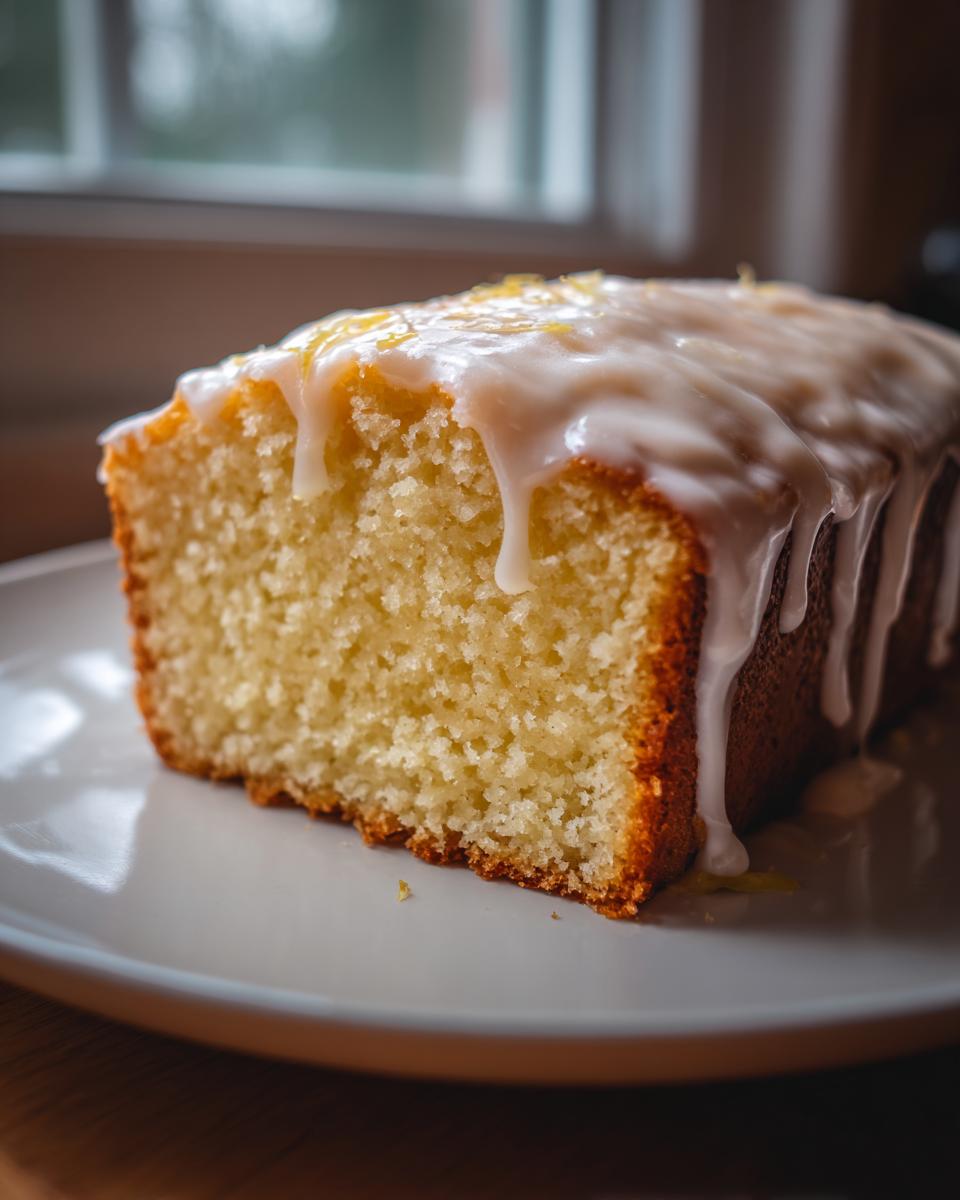
A cake baked without that drizzle might be good, sure, but it won’t have that *oomph*. The soak ensures that tart, sweet flavor permeates every single crumb. Think of it like giving the loaf an extra dose of hydration right before it rests. It elevates this easy bake tremendously, and you can find a great lemon scone recipe here that also uses a similar glaze technique if you want more sweet citrus treats!
Variations for Your Citrus Bread Recipe
We have this recipe down to a perfect science for that classic, bright flavor, but honestly, baking is all about making things your own, right? Once you master the basics of a great lemon loaf, it’s fun to play around! I’ve tested a few little swaps that still result in that heavenly, moist outcome we’re looking for. These simple twists can take your cake from a simple snack to something unexpected!
Adding Poppy Seeds for a Classic Lemon Loaf
If you grew up loving the texture combination of bright citrus and poppy seeds, you are in luck because this loaf takes them beautifully! For a wonderful, classic lemon loaf feel, just toss in about 2 tablespoons of poppy seeds when you add your dry ingredients to the wet mixture.
Now, here’s the thing: poppy seeds are heavy, and they can sink if you mix them too vigorously once you’ve added the flour. So, after you have just barely combined the batter, fold in those seeds gently with a spatula. You want them suspended evenly throughout the batter so you get that little crunch in every single slice of your citrus bread recipe!
Buttery Lemon Loaf Swap: Using Buttermilk
If you find yourself reaching for buttermilk instead of regular milk, go for it! I sometimes swap the 1/2 cup of whole milk in the batter for an equal amount of full-fat buttermilk. Why? Buttermilk has a natural acidity that gives the final product an even bigger lift and a slightly more pronounced tang, which pairs so well with the sweet glaze.
When you use buttermilk, you are adding tiny bit of extra tanginess that complements the lemon so well. Since buttermilk is already slightly acidic, it interacts wonderfully with the baking powder, helping to keep that crumb extra soft. It enhances the entire buttery lemon loaf experience without changing the overall texture too much. It’s a super easy way to customize!
If you enjoy tinkering with citrus flavors like this, you might also love my recipe for cranberry orange scones—it uses a similar flavor profile but in a wonderfully different format!
Serving Suggestions for This Easy Lemon Loaf
Honestly, my favorite part about wrapping up a successful bake is figuring out the best way to enjoy it, and this easy lemon loaf is so versatile! It’s never really just one thing, is it? I mean, yes, it’s technically a cake, but it works so perfectly for so many moments throughout the day. It feels much more special than just grabbing a processed snack bar.
Of course, it’s fantastic warmed up slightly for dessert, especially if you warm up a slice of the glazed loaf and serve it with a tiny scoop of vanilla bean ice cream. Heaven! But for me, this specific loaf shines brightest as an afternoon tea loaf. I remember my mom serving cake just like this when friends dropped by unexpectedly—always ready on the counter. A thin slice with a hot cup of black tea is just pure comfort.

It also makes the most wonderful breakfast treat when you don’t want anything too heavy. It pairs perfectly with something savory on the side, like a small bowl of my apple cinnamon oatmeal if you need something substantial to start the day. Whether you are doing brunch or just enjoying a quiet moment on the porch, this lemon loaf is always the right companion!
Storage and Reheating Instructions for Lemon Loaf
So you’ve baked the moist lemon bread, you’ve glazed it perfectly, and now you have—gasp—leftovers! Don’t worry; this recipe is just as good the next day, provided you store it right. The goal here is keeping that moisture locked in, especially because we drenched it in that lovely syrup soak. Treat this like you would any good quick bread, but remember that shiny glaze is just as important!
If you plan on eating the whole loaf within two or three days, keeping it on the counter is actually my preferred method. It maintains that perfect tender texture better than the fridge does. Here’s my go-to way to wrap it up for maximum freshness:
- Wait for the Glaze to Set: This is crucial! Don’t wrap it up until the glaze is completely dry and firm to the touch. If you wrap it while sticky, the glaze will just smear everywhere and potentially pull moisture out of the cake.
- Room Temperature Storage: Wrap the entire loaf tightly in plastic wrap, making sure you get a good seal around all sides. Then, slip that whole wrapped loaf into a large zip-top bag or an airtight container. Stored this way, it should stay wonderfully fresh for about 3 days.
Freezing Your Lemon Loaf for Later
I love making a double batch just so I can freeze one! This allows you to have an emergency lemon dessert recipe ready to go whenever that citrus craving hits. Freezing works beautifully, but you have to freeze it *before* you glaze it. That glaze doesn’t freeze well—it can weep or look cloudy when thawed.
Wrap the unfrosted loaf tightly in plastic wrap, then cover it again with a layer of aluminum foil or slide it into a freezer-safe bag. It will keep beautifully like this for up to three months. When you’re ready to enjoy it, just let it thaw completely on the counter wrapped up. Once thawed, *then* you can mix up a quick batch of that lemon glaze recipe and drizzle it on fresh!
Reviving Slices That Need a Little Help
Sometimes, I just want one slice, and the rest comes out of the fridge later. If you refrigerate it, the crumbs can firm up a bit, which is normal for baked goods. Don’t worry, we can fix that!
The best way to reheat a slice of this easy quick bread is quickly in the microwave. Pop a slice on a plate and zap it for about 10 to 15 seconds. This softens the butter and moisture right back up. If you want to make it feel like it was just baked, try drizzling a tiny bit of homemade lemon syrup (or even just a squeeze of fresh lemon juice!) over the slice right before microwaving. If you’re interested in other quick sweet recipes, check out my banana chocolate chip muffins recipe—they reheat just as easily!
Frequently Asked Questions About Lemon Loaf
I get so many sweet notes from people trying this recipe out, and questions pop up all the time! It’s natural when you’re trying to nail that perfect texture or replicate a bakery favorite. I wanted to put together a quick FAQ section right here to tackle the most common concerns people have about achieving the best lemon loaf ever. Hopefully, this clears up any last-minute doubts so you can get baking!
Can I make this Moist Lemon Bread without the Syrup Soak?
You *can*, technically, but I really, really wouldn’t recommend it if you’re aiming for that incredibly tender, bakery-quality crumb. If you skip the syrup soak, your moist lemon bread will certainly still taste wonderful because the batter itself is rich—thanks to that Greek yogurt—but it won’t achieve that signature, almost syrupy interior that we worked so hard for.
Think of it this way: the syrup soak is your insurance policy against dryness, especially because this is such a lovely, zesty lemon cake! It elevates it from a simple quick bread to something truly special. If you skip it, you’ll likely end up with a drier crumb, more similar to a standard pound cake.
How long does this Zesty Lemon Cake stay fresh?
Because we are using that lemon syrup soak and that yogurt in the batter, this loaf is fantastic at hanging onto its moisture! If you store your glazed loaf tightly wrapped at room temperature, it stays beautifully fresh for a solid three days. That’s usually how long ours lasts, anyway! If you store it in the fridge, it will last longer, maybe five or six days, but I find refrigeration dulls the buttery flavor a bit.
If you are worried about leftovers, I highly recommend freezing slices *unfrosted* instead of hiding the whole thing in the fridge. That way, you can always reheat a perfect slice later! You can browse more of my favorite dessert recipes over in my dessert category here: Desserts Category.
What is the best way to get a thick Lemon Glaze Recipe?
Ah, the glaze consistency quandary! Nobody wants a thin wash that just disappears into the loaf. The secret to a nice, thick, perfectly opaque lemon glaze recipe is all in the ratio control. You need to start with the powdered sugar and add your lemon juice—and I stress *add slowly*—until you hit that perfect consistency.
If you find your glaze is too runny, don’t panic! Just whisk in another tablespoon or two of powdered sugar until it thickens up. If you accidentally start pouring paste, add liquid, one teaspoon of milk or lemon juice at a time, until it’s thick but still pourable off your spoon. For a really thick, almost opaque coat, I sometimes add just a splash of heavy cream instead of milk for that last drizzle! For reference on other popular loaves, you can see how others approach this famous treat Starbucks Copycat Lemon Loaf Recipe.
Sharing Your Homemade Lemon Loaf Creation
Phew! That’s it—you’ve officially mastered the fluffiest, zesty-est, most delightfully tangy lemon loaf around. Seriously, take a moment to admire that glistening glaze and that incredibly moist crumb peering out from the edges. I truly hope baking this recipe brought as much joy to your kitchen as it brings to mine every time I pull one of these treasures out of the oven.
Now comes the best part of running Cut Cook Taste. I want to know what you thought! Did you manage to snag a slice before your family devoured the whole thing? Did you try the poppy seed variation, or did you stick to the classic citrus perfection? Please, give this recipe a star rating right below—it really helps other home bakers decide what’s worth their oven time!
And don’t be shy! Head over to social media, snap a picture of your beautiful results, and tag me. Sharing our successes—and even the occasional baking oopsie—is what this community is all about. I love seeing your creations! Happy baking, and I hope this gorgeous loaf becomes a new favorite tradition in your house. You can always find more inspiration for your next baking adventure right here on my baking blog page!
PrintThe Ultimate Moist Lemon Loaf with Tangy Triple-Lemon Glaze

This recipe delivers a bakery-style lemon loaf that is incredibly moist, tender, and packed with bright, zesty lemon flavor. We use a simple lemon syrup soak and a tangy glaze to ensure every slice is a sweet and tart delight, perfect for breakfast or dessert.
- Prep Time: 20 min
- Cook Time: 55 min
- Total Time: 1 hour 35 min
- Yield: 1 loaf (10 servings) 1x
- Category: Dessert
- Method: Baking
- Cuisine: American
- Diet: Vegetarian
Ingredients
- 1 3/4 cups all-purpose flour
- 1 1/2 teaspoons baking powder
- 1/2 teaspoon salt
- 1 cup granulated sugar
- Zest of 2 large lemons
- 1/2 cup (1 stick) unsalted butter, softened
- 2 large eggs
- 1/2 cup whole milk
- 1/4 cup fresh lemon juice
- 1/4 cup full-fat Greek yogurt
- 1 teaspoon vanilla extract
- **For the Lemon Syrup Soak:**
- 1/4 cup fresh lemon juice
- 1/4 cup granulated sugar
- **For the Tangy Lemon Glaze:**
- 1 1/2 cups powdered sugar
- 3 tablespoons fresh lemon juice
- 1 tablespoon milk or heavy cream
Instructions
- Preheat your oven to 350°F (175°C). Grease and flour a standard 9×5 inch loaf pan, or line it with parchment paper, leaving an overhang for easy removal.
- In a medium bowl, whisk together the flour, baking powder, and salt. Set this dry mixture aside.
- In a large bowl, combine the 1 cup of granulated sugar and the lemon zest. Rub the zest into the sugar with your fingertips until the sugar is fragrant and moist. This releases the essential oils for maximum flavor.
- Add the softened butter to the lemon-sugar mixture. Beat with an electric mixer until light and fluffy, about 3 minutes.
- Beat in the eggs one at a time, mixing well after each addition.
- In a separate small bowl, whisk together the milk, 1/4 cup lemon juice, Greek yogurt, and vanilla extract.
- Gradually add the dry ingredients to the wet ingredients, alternating with the milk mixture, beginning and ending with the dry ingredients. Mix only until just combined; do not overmix the batter.
- Pour the batter into the prepared loaf pan and smooth the top.
- Bake for 50 to 60 minutes, or until a wooden skewer inserted into the center comes out clean.
- While the loaf bakes, prepare the lemon syrup soak. In a small saucepan, combine the 1/4 cup lemon juice and 1/4 cup sugar. Heat over medium heat, stirring until the sugar dissolves completely. Remove from heat.
- As soon as the loaf comes out of the oven, poke holes all over the top surface using a skewer or toothpick. Slowly brush or drizzle the warm lemon syrup evenly over the hot loaf. Let the loaf cool in the pan for 15 minutes.
- Carefully remove the loaf from the pan and transfer it to a wire rack set over parchment paper to catch drips. Let it cool completely before glazing.
- Prepare the glaze: Whisk together the powdered sugar, 3 tablespoons of lemon juice, and 1 tablespoon of milk until smooth. If the glaze is too thick, add a few more drops of lemon juice or milk. If it is too thin, add a little more powdered sugar.
- Drizzle the tangy lemon glaze generously over the completely cooled lemon loaf. Let the glaze set before slicing and serving your moist lemon bread.
Notes
- For a Starbucks lemon loaf copycat texture, do not skip the lemon syrup soak; this step is key to keeping the crumb moist.
- If you prefer a stronger citrus flavor, substitute buttermilk for the milk in the batter.
- You can use this recipe to make lemon cupcakes; bake for 18-20 minutes at the same temperature.
Nutrition
- Serving Size: 1 slice
- Calories: 350
- Sugar: 40g
- Sodium: 210mg
- Fat: 18g
- Saturated Fat: 10g
- Unsaturated Fat: 8g
- Trans Fat: 0.5g
- Carbohydrates: 45g
- Fiber: 1g
- Protein: 5g
- Cholesterol: 65mg