
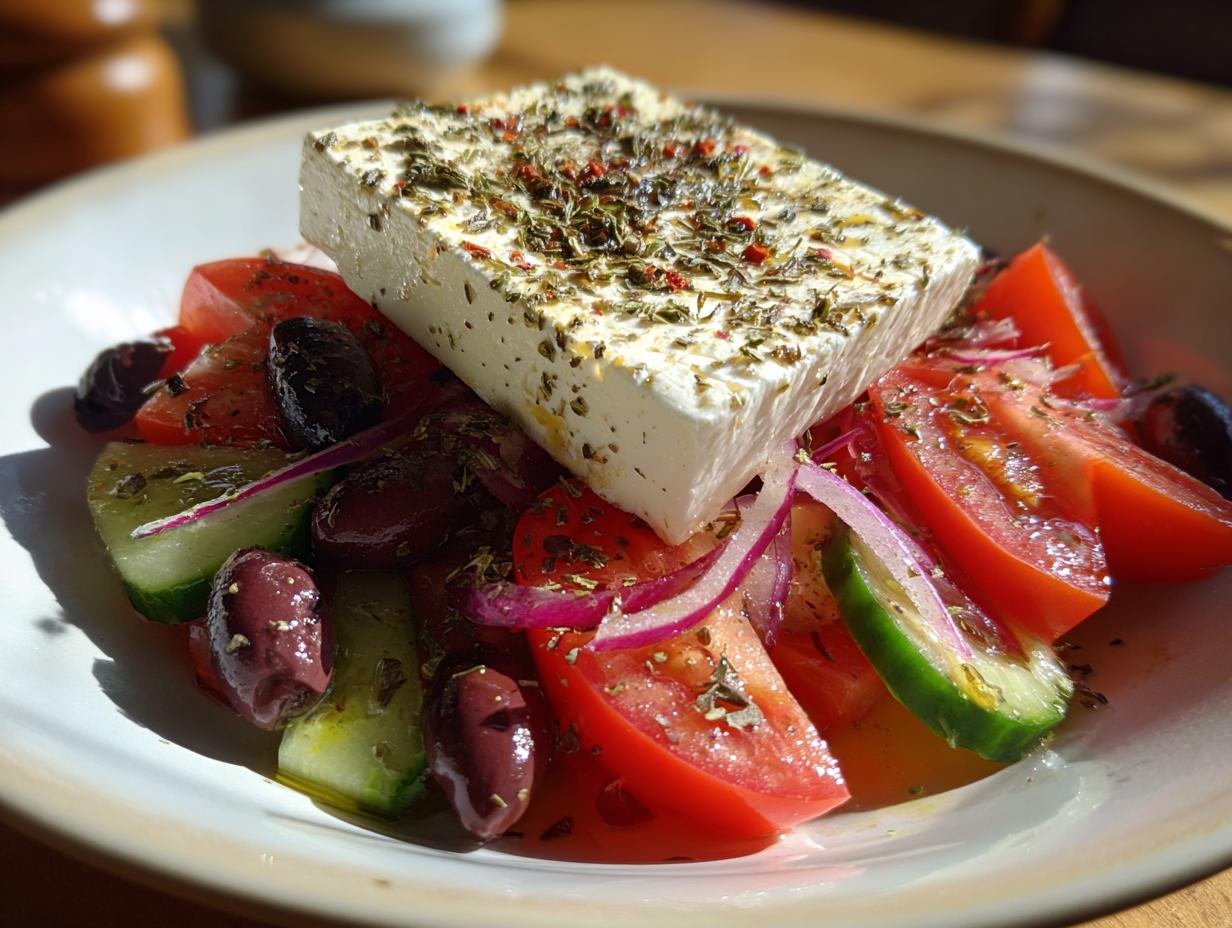

Are you tired of the same old soggy side dishes that show up at every summer barbecue? I know I was! That’s why I stopped messing around with those sad, floppy Americanized versions. We’re making the real deal today, the super simple, authentic Horiatiki greek salad recipe. When I say authentic, I mean it: if you see romaine lettuce in this bowl, something went seriously wrong, because lettuce is absolutely not allowed here!
This recipe is all about honoring those beautiful, fresh ingredients, just like my family taught me. It comes together so quickly—seriously, it’s faster than ordering takeout—and proves that the simplest food is often the best food. Get ready for the brightest, most vibrant vegetable salad you’ve ever made.
- Why This Authentic greek salad Recipe Stands Apart
- Gathering Ingredients for Your greek salad
- Crafting the Easy greek salad Dressing
- Step-by-Step Instructions for the Traditional greek salad
- Tips for Success Making Your greek salad
- Serving Suggestions for Your greek salad
- Storage and Make-Ahead for the greek salad
- Frequently Asked Questions About greek salad
- Nutritional Snapshot of This greek salad
Why This Authentic greek salad Recipe Stands Apart
Look, there are Greek salads, and then there is Horiatiki Salad. The difference is everything! I’m not knocking the American versions that load up on romaine, but if you want the real taste of Greece, you need to skip the greens. This commitment to simplicity is what makes this the best greek salad recipe floating around online.
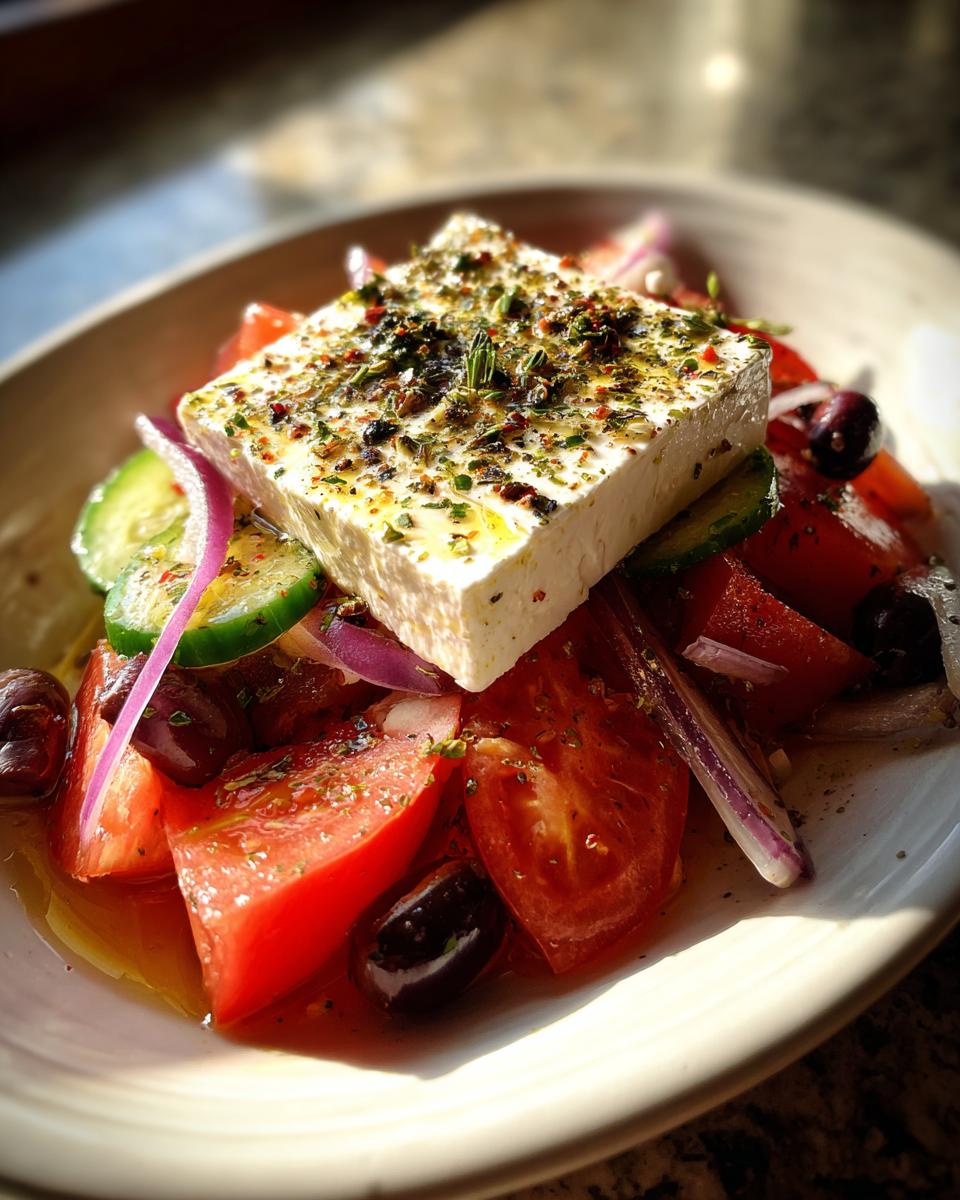
My favorite part, and the biggest departure from the usual, is how we treat the feta. We don’t blend it in until it disappears. We leave it in a gorgeous, salty block right on top! This tradition keeps the cheese from getting mushy and ensures every forkful has that perfect salty punch against the juicy vegetables.
The 15-Minute Prep for a Perfect greek salad
Honestly, you cannot beat this speed. It’s ready in about 15 minutes flat, which makes it the ultimate Quick Summer Salad for those nights when you want something healthy but don’t want to slave over the stove (even though this is a no-cook recipe!). Chop, drizzle, place the cheese, and you are done. Seriously, that easy!
The Secret to the Best greek salad: Ingredient Quality
Because there are only a few players in this dish, they all have to sing their hearts out. You absolutely cannot skimp here; this is where the Mediterranean diet magic happens. I learned from my travels that the tomatoes have to be perfectly ripe, practically bursting with juice. And please, please splurge a tiny bit on the extra virgin olive oil. That oil is practically a main ingredient, not just a drizzle. Good ingredients mean you don’t need any fancy work to pull off an incredible, fresh vegetable salad.
Gathering Ingredients for Your greek salad
Okay, now for the fun part—actually assembling this beauty! Since this is traditional Horiatiki, the ingredient list is wonderfully short, which means we don’t have to stress about running all over town trying to find 20 different obscure things. We need cucumbers, beautiful ripe tomatoes, onions, olives, and, of course, the star: Feta! Because we aren’t adding fluff, every single item on this simple side dish recipe list counts.
I’ve listed out exactly what you need below. Remember, we aren’t cooking anything, just cutting and mixing, so make sure your knife skills are ready to shine!
Ingredient Notes and Substitutions for greek salad
Let’s chat specifics before you hit the store. First up, the Feta. You have to get a block, like a big slab of salty white heaven. Don’t buy the pre-crumbled stuff; it gets dusty and dry way too fast. We need that firm texture sitting proudly on top of our salad.
For the Kalamata olives, I prefer them unpitted when I’m serving right away because I think they have better flavor, but if you’re worried about folks crunching down on a pit, go ahead and drain the pitted ones. Now, I know some of you are probably shaking your head, but if you absolutely *must* add greens, use crisp Romaine lettuce, but promise me you’ll only use a tiny bit and treat it like a supporting actor, not the main star!
Crafting the Easy greek salad Dressing
This dressing is the magic glue that holds our simple ingredients together! Forget those bottled, sugary packets you buy at the store. Making the Easy Greek Salad Dressing is honestly quicker than finding the expiration date on a dusty bottle in your pantry, and the flavor difference is night and day. We are making a super zesty, Tangy Olive Oil Vinaigrette, but we’re doing it the easy way.
Grab a small bowl—or, even better, a little jam jar if you have one—and combine your red wine vinegar, the dried oregano, a good pinch of sea salt, and some fresh black pepper. Now, pour in that glorious extra virgin olive oil. You want to whisk this really aggressively until it starts to emulsify a little. Seriously, put some muscle into it until it looks slightly creamy. If you have another vinaigrette recipe handy, like my balsamic vinaigrette, you know the drill: mix hard for that perfect, bright coating for our vegetables!
Step-by-Step Instructions for the Traditional greek salad
This is where my ‘Cook’ philosophy really comes into play—it’s not about heat, it’s about method! Making a proper Horiatiki isn’t just tossing things in a bowl; it’s treating each ingredient with respect leading up to the grand finale. We’re going to build this salad in layers, and trust me, following this order ensures you get that stunning presentation and amazing flavor burst that defines a greek salad.
The timing is everything here. Because we are using raw, juicy vegetables, you really want to dress this right before serving. This allows the vinegar to marry the vegetable juices without everything sitting around getting watery right before you present it. It’s a perfect Simple Side Dish Recipe for a busy night!
Preparing the Fresh Vegetable Salad Base
First things first, get all your chopping done. I want those tomatoes cut into nice big wedges—we want texture, not a mushy mess! Slice your cucumber thickly, and make sure that red onion is thin enough so it distributes that sharp flavor without overpowering everyone. Toss all those beautiful, freshly cut vegetables together in your serving bowl, and add in your Kalamata olives. That’s it for the base right now. Don’t add the dressing yet, and definitely don’t add the feta!
Final Assembly: Topping the greek salad with Feta
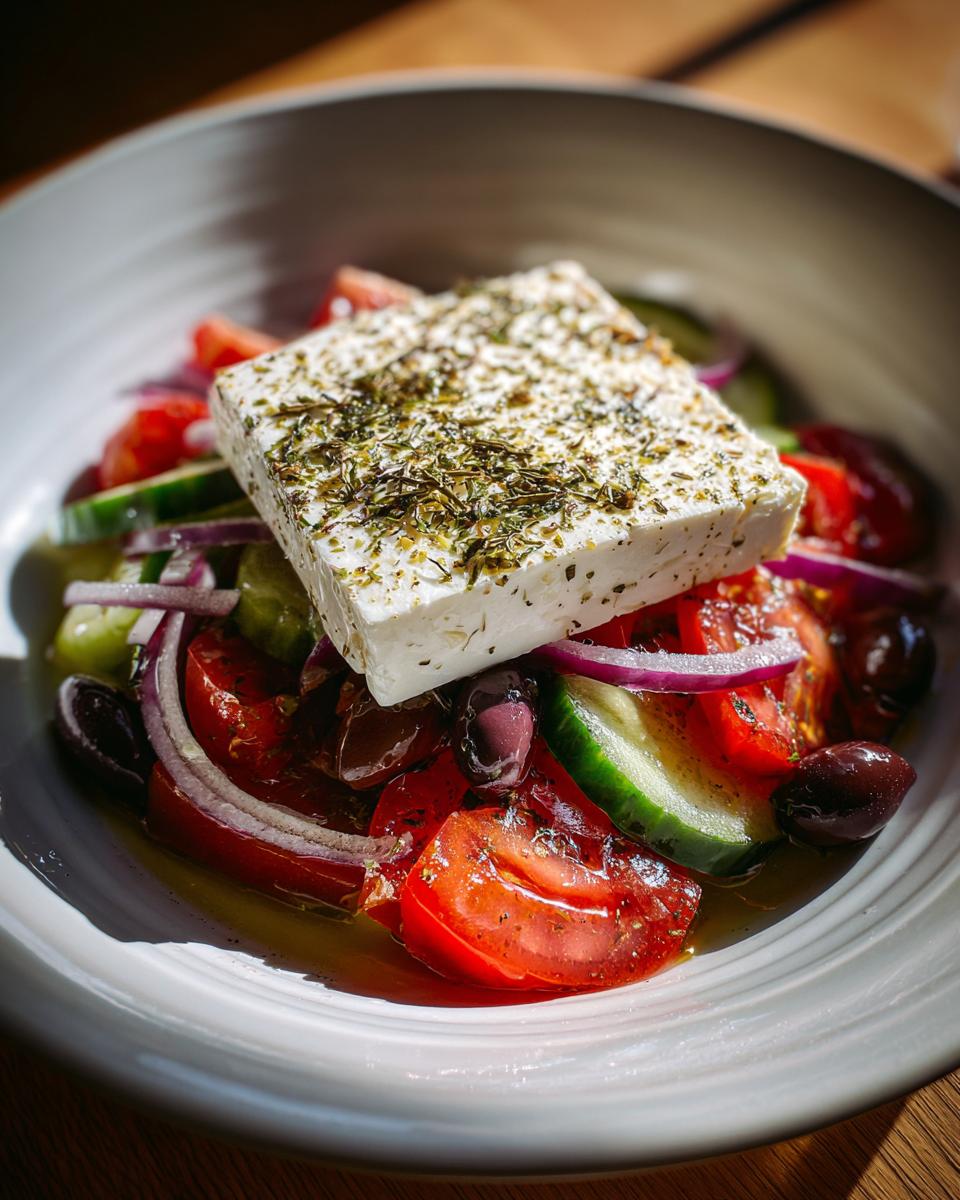
This is the non-negotiable tradition! Take that gorgeous block of feta cheese and gently place it right on top of the dressed vegetables. Do not crinkle it, do not mix it in, and do not crumble it everywhere! The idea is that the diner uses their fork to break off a piece of feta along with whatever vegetables they scoop up. It keeps the cheese firm and salty. Once that block is sitting proud in the center, give the whole thing one final sprinkle of dried oregano and a crack of black pepper right over the top of the cheese. Serve right away, and watch everyone gasp at how simple and beautiful your greek salad is!
Tips for Success Making Your greek salad
Getting this Fresh Vegetable Salad right isn’t about complicated techniques; it’s about respecting that short ingredient list. Once you’ve dressed the vegetables, let everything sit on the counter for about five minutes before you put the feta on top. This small window allows the olive oil and vinegar to start mingling with the natural juices leaking from those ripe tomatoes and cucumbers. It deepens the flavor profile beautifully!
Also, back to the tomatoes—I know I keep harping on it, but seriously, texture matters! Look for tomatoes that feel firm but not rock-hard. If you can find Romanos or any plum-style tomato, they tend to hold their shape better when tossed with the dressing than those big, watery beefsteaks do. Remember, we want flavor, not soup at the bottom of the bowl! For more savory ideas perfect for starting a meal, check out my favorite appetizers while you wait for those flavors to marry.
Serving Suggestions for Your greek salad
This Horiatiki is so bright and refreshing, it feels like a vacation on a plate! While it’s absolutely killer on its own as a Light Lunch Idea, it truly shines when paired correctly with heartier main courses. Think of it as that perfect counterpoint to something rich or smoky.
Because this Simple Side Dish Recipe relies on such fresh flavors, it pairs perfectly with simple grilled food. We’re talking about a big piece of grilled fish—maybe some salmon or sea bass—or even some lemon-herb marinated chicken breasts. The acidity in the dressing cuts right through the richness of the protein, leaving your palate feeling clean instead of weighed down.
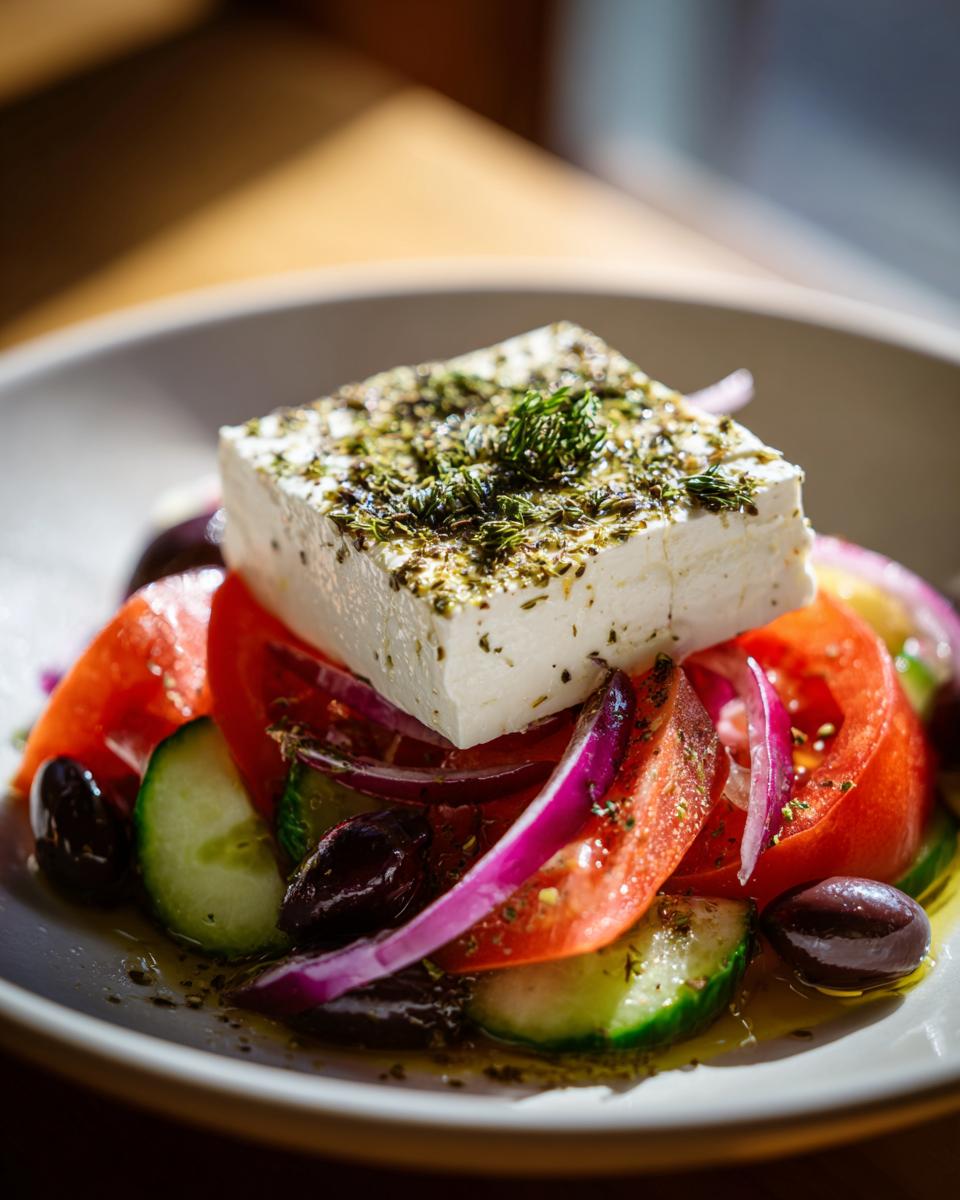
And here is a non-negotiable pairing for me: you absolutely must have something crusty on hand! You need bread, and not just any bread. I always make sure I have my Crusty Italian Bread recipe ready to go. Why? Because those precious little juices that gather at the bottom of the bowl—the tomato, the olive oil, the vinegar—are pure liquid gold. You just tear off a chunk of bread and sop up every last flavorful drop. Trust me, leaving that juice behind is a crime!
Storage and Make-Ahead for the greek salad
Now, here’s the part where I have to be a little honest with you. If you’re looking for a salad you can make on Sunday and eat for lunch all week long, this is *not* the one, bless its fresh little heart! Because we use those beautiful, watery tomatoes and cucumbers, this Horiatiki salad does not like to sit around waiting. If you toss the dressing and the vegetables together too early, you end up with a soupy mess, and nobody wants that soggy aftermath.
But don’t let that scare you away from trying to make it ahead for a gathering, because we can absolutely prep things in advance! Remember I mentioned that wonderful dressing? That tangy olive oil vinaigrette is fantastic for making ahead of time. Just whisk it up, put it in a sealed jar, and keep it in the fridge for up to five days. It will likely solidify a bit because of the olive oil, so just let it warm up on the counter for 30 minutes and give it a good shake before you use it.
For the vegetables, chop everything earlier! You can slice those cucumbers, dice those tomatoes (keep them slightly bigger than you think you need), and slice your onion. Store each veggie component separately in airtight containers. The olives are totally fine hanging out for a day or two. The only thing you should absolutely save until the *very last minute*—I mean, the absolute moment before serving—is that gorgeous block of feta. Keep it cold and protected until you are ready to place it right on top of the freshly dressed vegetables. That way, when you serve your greek salad, it tastes like you just made it!
Frequently Asked Questions About greek salad
I always get so many questions after people try this recipe for the first time—it’s just so different from what most of us grew up eating! It’s great that you’re thinking ahead about how to use this Healthy Mediterranean Salad, so let’s clear up some of the common things readers ask me every week.
Is Horiatiki the same as a regular greek salad?
This is the big one! Short answer: No, they aren’t exactly the same, and that’s why we call this recipe Horiatiki. The true, traditional Greek village salad, Horiatiki, never includes lettuce. It’s strictly tomatoes, cucumbers, onions, olives, and a big slab of feta on top, dressed simply with olive oil and oregano. When recipes start adding romaine or spinach, they’ve drifted into Americanized territory. If you want to taste Greece, stick to the no-lettuce mandate!
Can I use a different cheese instead of Feta in this greek salad?
Look, Feta is the cornerstone here. It’s salty, it’s briny, and the texture is crucial because we leave it whole! If you simply cannot find good quality feta for some reason, I suppose you could try a mild goat cheese in a pinch, but you have to understand, the flavor profile changes completely. Tzatziki is another amazing Greek flavor that you might want to whip up as a side dip when you’re having salads like this! Check out my easy tzatziki recipe if you need an extra touch of creamy goodness.
How do I keep this healthy Mediterranean Salad light?
This salad is already naturally leaning toward the healthy side since it’s loaded with fresh vegetables, but the two spots where you have to watch out are olives and oil. Olives are fantastic for you, but they are high in sodium, so be mindful of how many you toss in. For the olive oil, remember that quality doesn’t mean quantity! Use that high-quality extra virgin olive oil we talked about—because it tastes better, you won’t feel the need to drown the salad. Since our dressing uses just vinegar and oregano, there’s zero chance of added sugar sneaking in, keeping this wonderfully light!
Nutritional Snapshot of This greek salad
I know some of you out there are watching your macros, or maybe you’re deep into tracking your daily intake for something specific like a keto meal plan delivery program, so I wanted to break down the estimates for this Horiatiki. Remember, because we’re dealing with fresh produce and olive oil, these numbers are always going to be approximations based on standard measurements. I always tell people that if fine-tuning your macros is super important to your overall plan, you should weigh your portions accurately!
That said, this is honestly one of the best ways to get huge flavor while keeping things incredibly clean and fresh. It’s packed with healthy fats from the olive oil and feta, and you get great fiber from all those crisp veggies. Here’s what we are looking at for one serving:
- Calories: 250
- Fat: 22g (with 7g Saturated Fat)
- Carbohydrates: 10g (with 3g Fiber)
- Protein: 8g
- Sugar: 6g
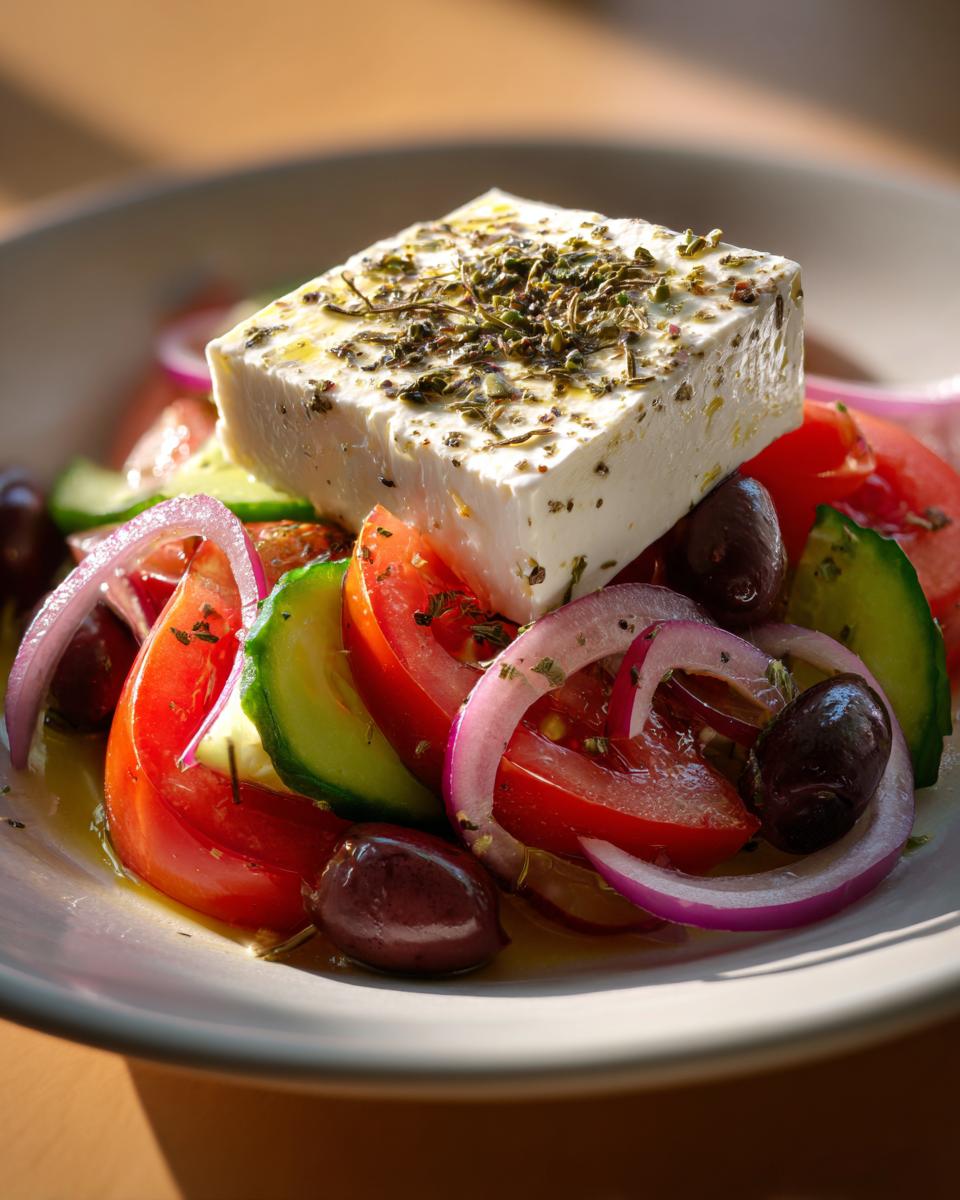
It’s truly a beautiful, balanced side dish. If you’re pairing this with a lean protein, like my Garlic Parmesan Chicken, you’ve got yourself a knockout Mediterranean meal that feels exciting but checks all the healthy boxes. These nutrition details are just an estimate—my salt levels might be higher than yours because I love that salty feta kick, so always adjust to your own taste and needs!
PrintAuthentic Horiatiki (Traditional Greek Salad)
Make a true Greek salad, Horiatiki, using fresh vegetables, feta, and Kalamata olives with a simple, tangy dressing. This recipe contains no lettuce.
- Prep Time: 15 min
- Cook Time: 0 min
- Total Time: 15 min
- Yield: 4 servings 1x
- Category: Side Dish
- Method: No Cook
- Cuisine: Greek
- Diet: Vegetarian
Ingredients
- 2 large ripe tomatoes, cut into wedges
- 1 large cucumber, peeled and sliced thickly
- 1/2 red onion, thinly sliced
- 1/2 cup Kalamata olives, pitted or unpitted
- 6 ounces good quality feta cheese, cut into a large block or thick slices
- 1/4 cup extra virgin olive oil
- 1 tablespoon red wine vinegar
- 1 teaspoon dried oregano
- Pinch of sea salt
- Freshly ground black pepper
Instructions
- Prepare the vegetables: Cut the tomatoes into wedges, peel and thickly slice the cucumber, and thinly slice the red onion. Place all prepared vegetables and the olives into a large bowl.
- Make the dressing: In a small bowl, whisk together the extra virgin olive oil, red wine vinegar, dried oregano, salt, and pepper.
- Assemble the salad: Pour the dressing over the vegetables and gently toss to coat everything lightly.
- Top with cheese: Place the block or slices of feta cheese directly on top of the dressed vegetables. Do not mix the feta into the salad.
- Serve immediately: Sprinkle a little extra oregano and a grind of black pepper over the feta before serving. This salad is best served right away.
Notes
- For the most authentic flavor, use a block of feta cheese and place it on top, rather than crumbling it throughout the salad.
- If you are preparing this for later, keep the dressing separate and add it just before serving.
- This salad pairs well with grilled meats or fish, or as a light lunch option if you are looking into healthy eating plans.
Nutrition
- Serving Size: 1 serving
- Calories: 250
- Sugar: 6
- Sodium: 550
- Fat: 22
- Saturated Fat: 7
- Unsaturated Fat: 15
- Trans Fat: 0
- Carbohydrates: 10
- Fiber: 3
- Protein: 8
- Cholesterol: 25