
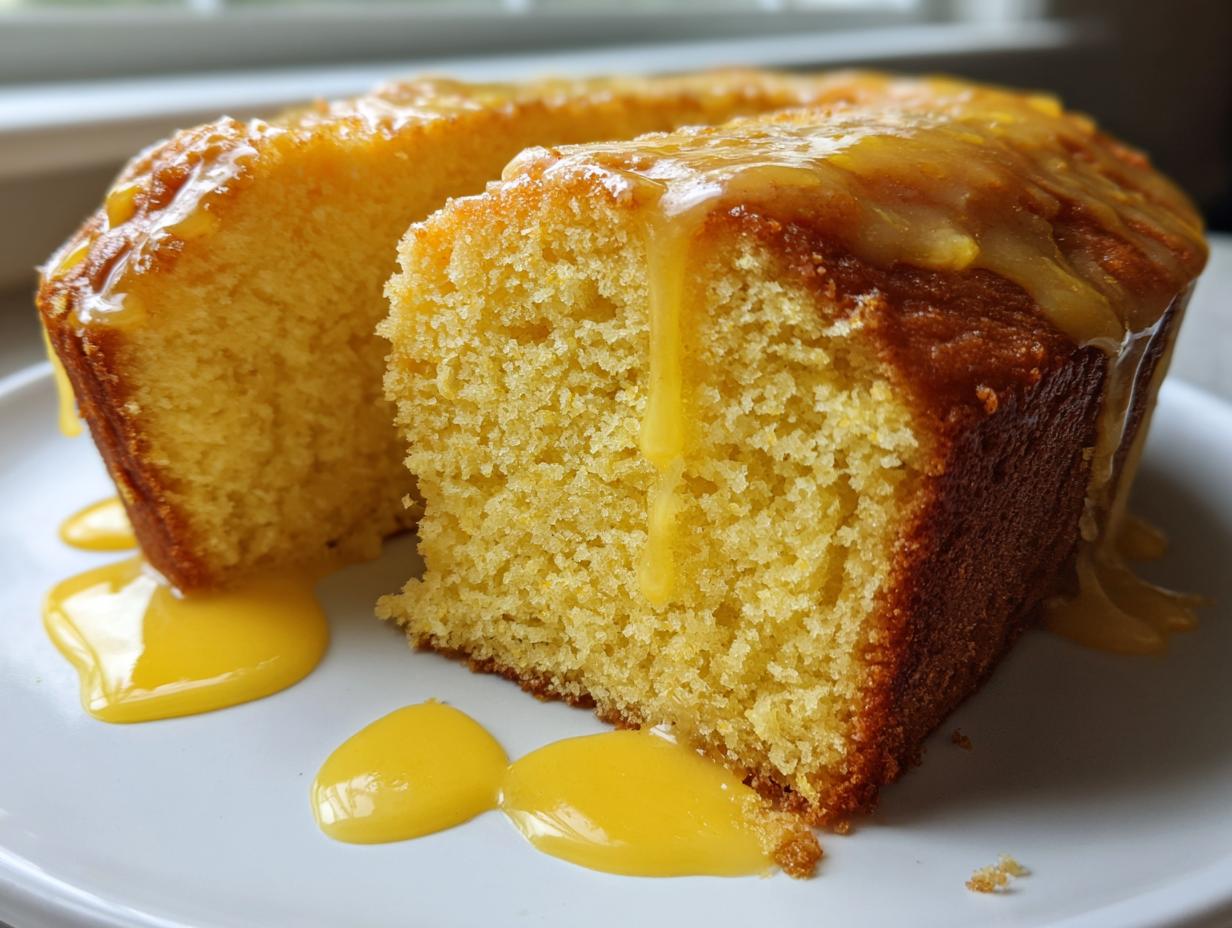

Oh, friends, if you know me, you know I live for a truly classic dessert, something rich, buttery, and just undeniably comforting. But sometimes, you need that vibrant burst of sunshine, right? That’s exactly what we get with this recipe. I mean it when I say this is the ultimate moist lemon pound cake you’ll ever bake. Forget dry, forget bland—we are achieving that bakery-style richness, and the secret weapon here is the cream cheese! Baking honestly is about delivering reliable results, and after years of testing hundreds of citrus recipes here at Cut Cook Taste, I can assure you, this version is foolproof. It’s pure lemon heaven! You can read more about my approach to trusted classics like this over on my About Page!
- Why This is the Best Lemon Pound Cake You Will Ever Make
- Ingredients for the Ultimate Lemon Cream Cheese Pound Cake
- How to Prepare Your Zesty Lemon Pound Cake
- Crafting the Perfect Lemon Pound Cake with Glaze
- Tips for Success with Your Homemade Lemon Pound Cake
- Serving Suggestions for Your Zesty Lemon Cake
- Storage and Make Ahead Lemon Pound Cake Options
- Frequently Asked Questions About This Lemon Pound Cake Recipe
- Nutritional Estimate for Your Lemon Pound Cake
- Nutritional Estimate for Your Lemon Pound Cake
Why This is the Best Lemon Pound Cake You Will Ever Make
Seriously, when it comes to a show-stopping dessert, nothing beats a truly great lemon pound cake. This isn’t just sweet cake with a little lemon essence thrown in; this is intense, zesty, melt-in-your-mouth deliciousness. We’ve managed to capture that perfect bakery-style crumb that stays moist for days, which is exactly what you want from a rich slice.
What makes this recipe soar above the rest? Let me show you exactly what we are doing here:
- The Flavor is Bright: We use both zest and juice, giving you that real, vibrant citrus punch.
- The Texture is Unmatched: It’s tender, dense where it needs to be, and unbelievably soft.
- It Holds Up: Perfect for slicing, serving, and packing for picnics!
The Secret to a Moist Lemon Pound Cake Recipe
If you’re searching for the best moist lemon pound cake recipe, you’ve found it, because we’ve got two major players keeping things incredibly tender. First, the cream cheese lends that wonderful richness and density, giving it a luxurious feel. Then, the sour cream kicks in, adding a necessary tang while ensuring moisture saturation. Trust me, the main hurdle in any pound cake game is dryness, but we are avoiding that trap completely!
Quick Pro Tip for E-E-A-T perfection: Make sure that cream cheese, butter, eggs, *and* sour cream are all sitting out until genuinely room temperature. Cold ingredients clump when they meet the sugar and won’t emulsify properly, which ruins the base structure for that ultimate moist texture. It makes a huge difference!
Ingredients for the Ultimate Lemon Cream Cheese Pound Cake
Okay, gathering everything is half the battle, and for this recipe, quality really matters! We need two main groups of ingredients: the cake batter itself, which is wonderfully rich, and the glaze, which ties that zesty flavor together. Making sure we’re using room temperature items is key here—it helps everything mix into that perfect, creamy base we are aiming for.
For the Cake:
- 1 cup (2 sticks) unsalted butter, softened
- 8 ounces cream cheese, softened
- 2 cups granulated sugar
- 4 large eggs, room temperature
- 1 tablespoon lemon zest (from about 2 lemons)
- 1/4 cup fresh lemon juice
- 1 teaspoon vanilla extract
- 2 1/2 cups all-purpose flour
- 1/2 teaspoon baking powder
- 1/4 teaspoon salt
- 1/2 cup sour cream, room temperature
For the Simple Glaze:
- 1 1/2 cups powdered sugar
- 3 tablespoons fresh lemon juice
Ingredient Notes and Substitutions for Your Lemon Pound Cake
Listen, for this lemon pound cake to reach its absolute peak texture potential, you *must* let the butter, cream cheese, eggs, and sour cream come up to true room temperature. When they are slightly warm, they blend seamlessly, trapping air to give you that beautiful lift and smoothness inside. Trust me, skip this step and you risk a lumpy batter!
If you happen to be out of sour cream, don’t panic! You can swap it out easily. I suggest using 1/2 cup of plain Greek yogurt instead. That cultured tang works beautifully and delivers almost the exact same level of moisture and tenderness. See? Cooking is supposed to be flexible, even when we are striving for the best lemon pound cake!
How to Prepare Your Zesty Lemon Pound Cake
Alright, let’s get this beautiful batter mixed! Getting the structure right is non-negotiable if we want that perfect, classic feel. Remember, we’re aiming for that bakery style lemon cake look and crumb, so follow these steps closely. Pop your oven up to 325°F (160°C) first, and make sure your 10-inch tube pan or bundt pan is greased and floured so we don’t have any sticking drama later. Then, it’s time to bring out the stand mixer or your trusty hand mixer!
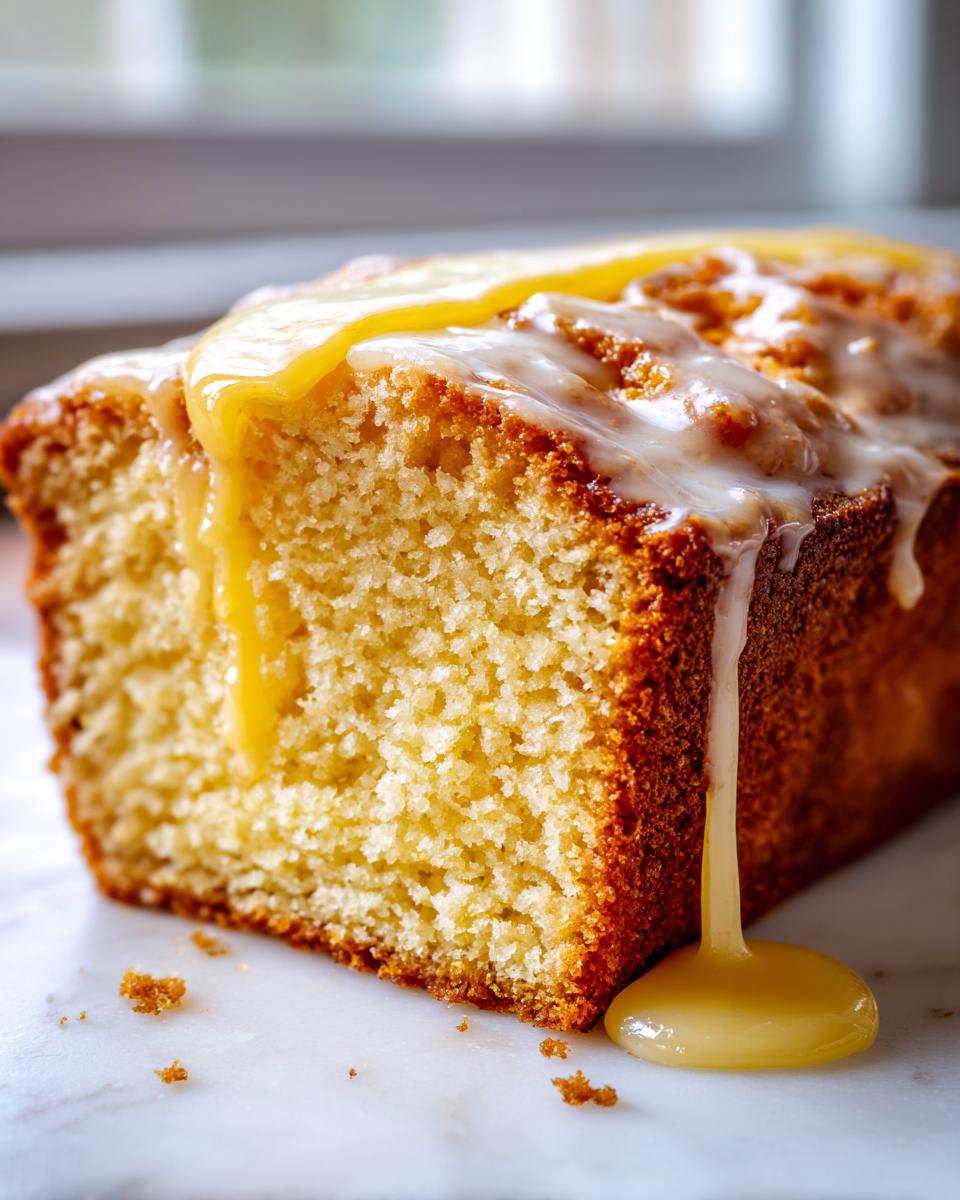
Here’s the simple breakdown for getting that zesty flavor right into the mix:
- Preheat your oven to 325°F (160°C). Grease and flour a 10-inch tube pan or bundt pan—you don’t want this beauty sticking!
- In a large bowl, cream together the softened butter and cream cheese until it’s wonderfully light and fluffy.
- Gradually add the granulated sugar, beating well until that mixture is pale and smooth.
- Add the four eggs, one by one, beating completely after each addition. Scrape down those sides constantly!
- Mix in your lemon zest, lemon juice, and vanilla extract until everything is just beginning to hug each other.
- In a separate bowl, whisk together your dry ingredients: flour, baking powder, and salt.
- Now, gradually add the dry ingredients to your wet ones, mixing only on low speed until it’s *just* incorporated. Stop mixing the second you see no more flour streaks.
- Gently fold in the sour cream until the batter looks uniform. It will be thick, don’t worry!
Then, pour it into your prepared pan and smooth the top before sliding it into the oven. If you want to see some more of my foundational baking posts, check out my main Blog page for more tips!
Creaming and Mixing: Building the Bakery Style Lemon Cake Base
This is where we build the flavor foundation! When you cream the butter and cream cheese with the sugar (steps 2 and 3), you are creating all those tiny air pockets. You want that mixture to look visibly lighter in color, almost fluffy or like pale honey, before you let those eggs in. This intensive mixing is what keeps the final bakery style lemon cake from being dense and sad.
Once you introduce the flour mixture (step 6 and 7), you need to change gears completely. Low speed, just until combined! Seriously, stop mixing the second you see the last streak of flour disappear. Overmixing flour develops gluten, and development equals toughness in a tender cake like this. We are going for soft, not chewy!
Baking and Cooling the Lemon Pound Cake
This king of cakes needs a gentle bake. It’s going into the oven for about 60 to 75 minutes at 325°F (160°C). How do you know when to pull it out? Use the skewer test! Poke a wooden skewer right into the deepest part of the cake; if it comes out clean, you’re golden. If it has wet batter sticking to it, give it five more minutes.
Don’t rush the cooling! Leave the lemon pound cake in the pan on a wire rack for a good 15 minutes. This allows it to firm up just enough so the structure doesn’t collapse when you flip it out. Then, invert it onto that rack and let it cool *completely*. Seriously, wait until it is cool to the touch before you even think about glazing!
Crafting the Perfect Lemon Pound Cake with Glaze
Once that beautiful cake is completely cool—and I mean *completely* cool, don’t try to cheat this step or you’ll have a melted puddle on your cooling rack—it’s time for the finale: the zesty lemon glaze! This step instantly elevates the whole experience from a nice cake to a truly breathtaking, lemon pound cake masterpiece. The glaze is super simple, which is perfect because we want that bright citrus flavor to shine through, not compete with heavy frosting.
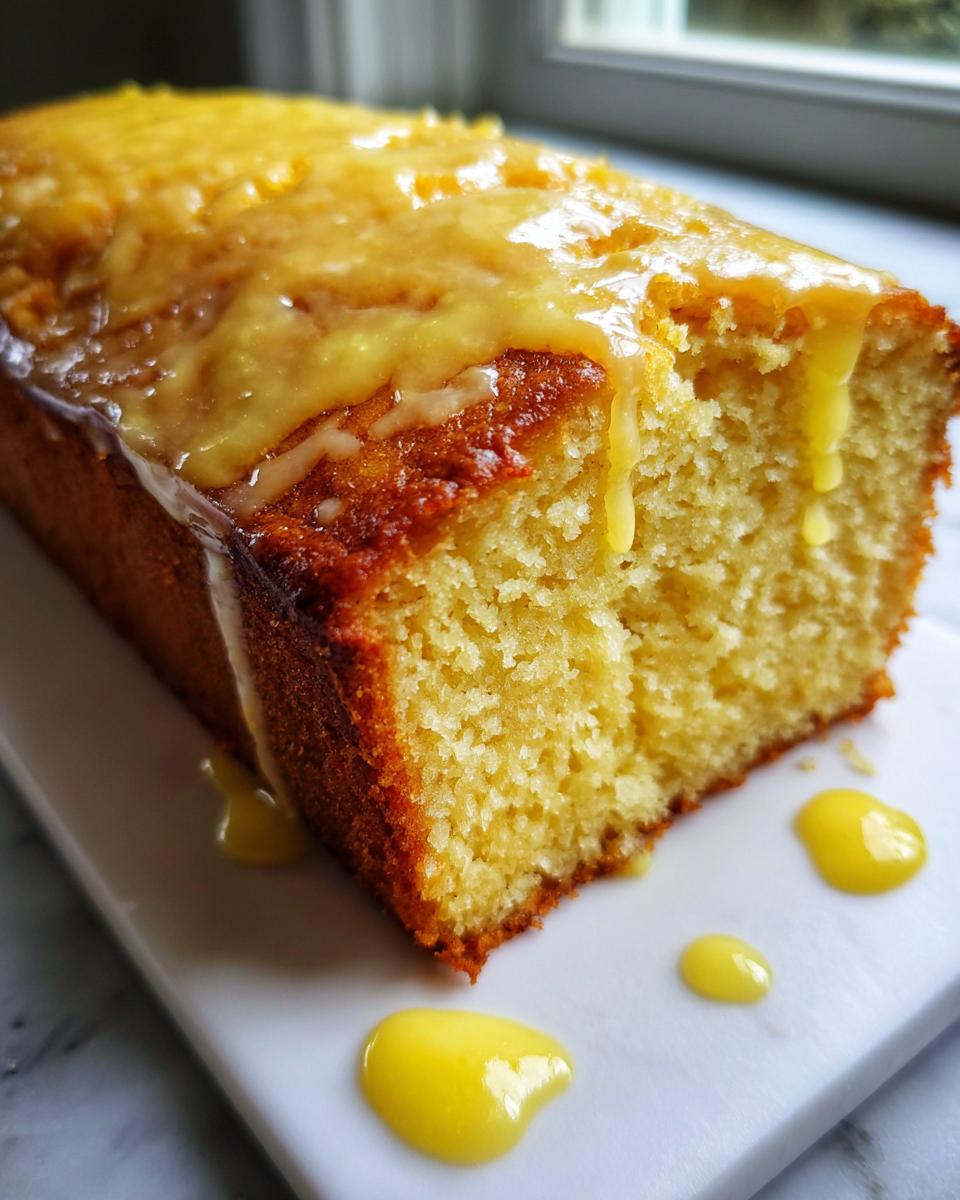
To make this quick glaze, just whisk together 1 1/2 cups of powdered sugar with 3 tablespoons of fresh lemon juice. Whisk it with purpose until it’s smooth. This creates that classic, slightly tart and sweet lemon dessert finish we all adore.
Now, here’s where you customize based on your preference for that beautiful drizzle you see in bakeries. If you like a thin glaze that soaks in slightly and creates a subtle sheen, use just the 3 tablespoons of juice. If you want that thick, opaque white coating that drips dramatically down the sides—which I personally love for presentation—start adding a tiny bit more powdered sugar, a tablespoon at a time, until you hit that perfect, pourable thickness.
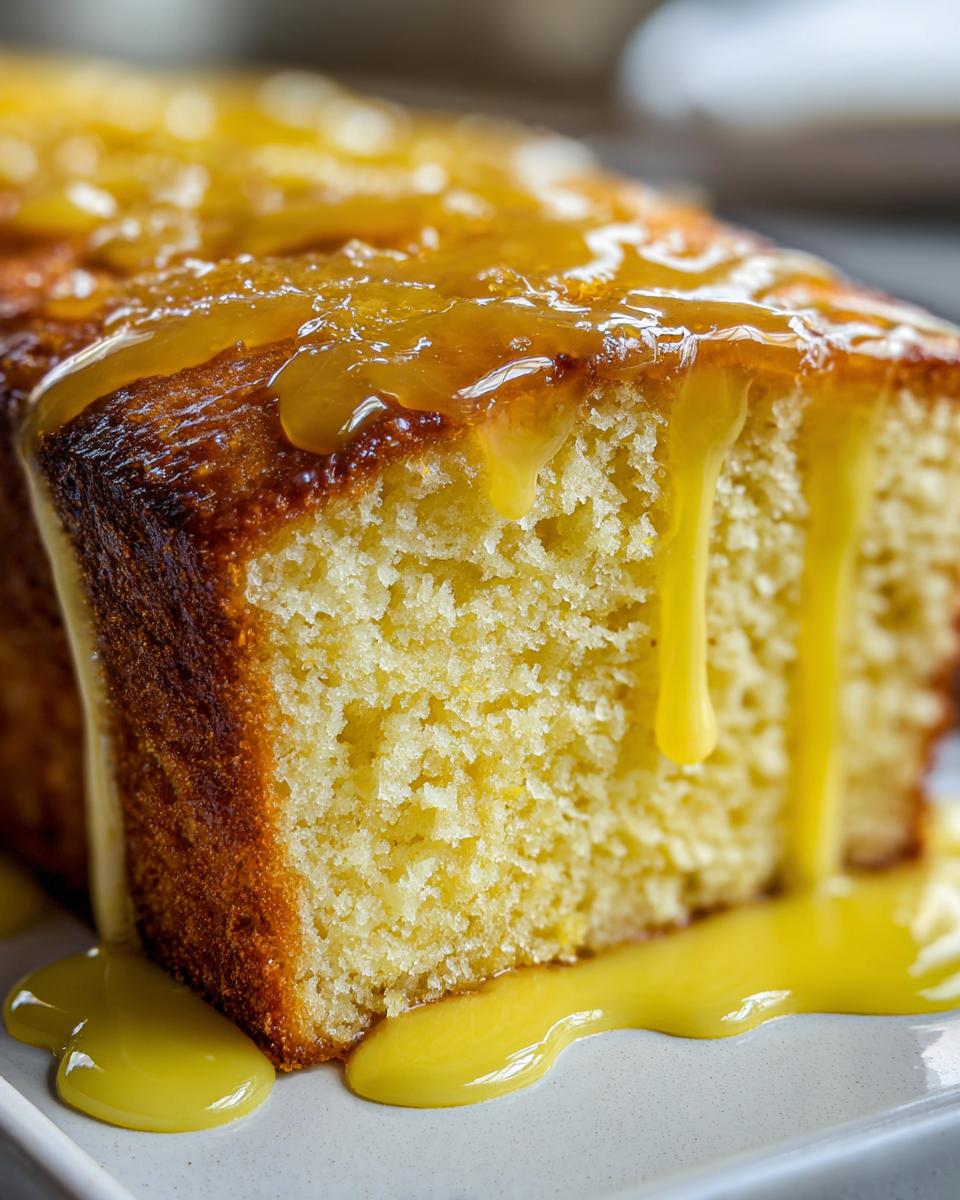
Drizzle it evenly all over the top of the cooled cake. Don’t worry if it runs down the sides; that’s the charm! Let the glaze sit there for about an hour until it hardens up slightly. If you want to see how I handle glazes on other citrus bakes, I’ve got a great post on my Lemon Bars that uses a very similar technique!
Tips for Success with Your Homemade Lemon Pound Cake
It’s one thing to follow the steps, but mastering the little details is what makes baking truly rewarding! I’ve packed all my hard-earned knowledge—and a few notes from my recipe card margins—right here so your homemade lemon pound cake is perfect on the first try.
- Always use room temperature ingredients! I can’t stress this enough for the butter, cream cheese, eggs, and sour cream. This lets the batter emulsify properly, which is key to that tender texture.
- When you are zesting the lemons, use a microplane if you have one! You want all that flavorful oil, but you definitely don’t want any bitter white pith making its way into the batter.
- The cake freezes beautifully if you need a make-ahead option! Just make sure it’s wrapped super tightly in plastic wrap *before* you apply the glaze.
- My personal trick to guarantee a clean release from my fussy Bundt pan? I make a classic pan release (sometimes called cake goop) using equal parts shortening, oil, and flour, brush it everywhere, and then dust it lightly with sugar before adding the batter. It works wonders! If you struggle with sticky cakes, you have to try this method. For other reliable baking advice, check out my post on Ricotta Cookies!
Serving Suggestions for Your Zesty Lemon Cake
Now that you have this gorgeous, bright zesty lemon cake cooling, you might be wondering how to serve it up! While this cake truly stands tall on its own—it’s moist and rich enough to be a showstopper—I love experimenting with simple pairings.
If you’re serving this after a big meal, a small dollop of lightly sweetened whipped cream or crème fraîche really balances the tartness of that glaze beautifully. For a warmer day or when you need something colorful, fresh raspberries or blueberries alongside a slice make this an absolutely perfect pick for spring brunch desserts!
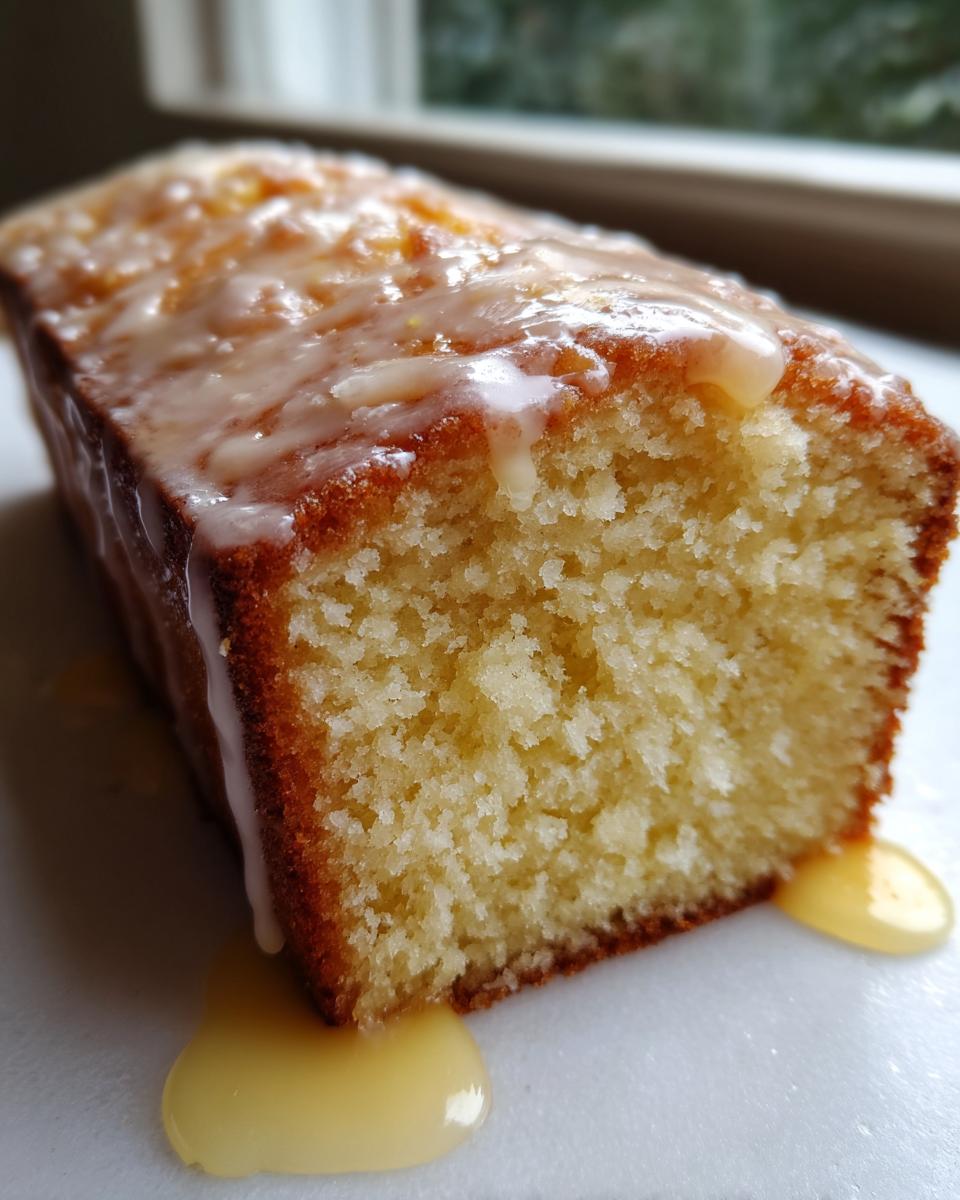
It goes wonderfully with a hot cup of black coffee, too. Honestly, once that glaze sets, you won’t need much else, but doesn’t it look fun on a platter with some fresh fruit?
Storage and Make Ahead Lemon Pound Cake Options
One of the most brilliant things about this recipe is that it’s just as good—maybe even *better*—the next day! This is fantastic news if you’re planning for a party, because it totally fits into that “make ahead lemon dessert” category. The cream cheese and sour cream work overtime to keep this cake fresh and hydrated, so you don’t have to worry about it drying out overnight.
Here’s my hard-and-fast rule for keeping your incredible lemon pound cake tasting bakery-fresh:
- Room Temperature Storage: If you plan to eat it within two or three days, just leave it covered tightly on the counter. I cover my cake stand with plastic wrap or use an airtight cake dome. Never refrigerate an unglazed pound cake, please! Cold air dries out the crumb faster than anything, and we fought too hard for that moisture!
- Freezing Instructions: This is the best way to keep it for longer! Once the cake is completely cool (and this is important—do not attempt this while it’s warm!), wrap it really well in plastic wrap, maybe even two layers. Then, tuck that into a freezer bag. It keeps beautifully for up to three months.
- Making Ahead: I highly suggest preparing the cake entirely, letting it cool fully, and then freezing it plain (unglazed). When you’re ready to serve it, let it thaw overnight on the counter, and *then* mix and pour that zesty lemon glaze over the top. That way, you get that fresh-from-the-oven look and flavor, even if you baked it last week! You can find more great tips on advanced planning over at my post about Make Ahead Desserts.
Frequently Asked Questions About This Lemon Pound Cake Recipe
I totally get it—baking can bring up a million questions! It’s important to feel confident when you’re making something special like this rich, creamy loaf. Here are a few things folks often ask me about achieving that perfect citrus bake, especially when they’re tackling a deep-dish favorite like a sour cream pound cake recipe.
Can I use a loaf pan instead of a bundt pan for this lemon pound cake?
Yes, absolutely, a loaf pan works great, especially if you want that classic ‘lemon loaf cake’ look! But you have to think about physics, right? A loaf pan is deeper than the tube pan we usually use. This means the heat takes longer to reach the very center of your batter. If you use standard loaf pans (usually 9×5 inches), you should plan on adding at least 10 to 15 minutes to the baking time.
My best advice? Start checking around the 70-minute mark instead of relying strictly on the 60 minutes mentioned for the bundt pan. And please—use parchment paper sling in the loaf pans! It makes lifting the finished cake out so much easier when it’s hot.
How do I get that tight, ultimate pound cake texture?
Ah, chasing that ultimate pound cake texture! This is the secret handshake of pound cake baking. It boils down to two non-negotiables in our recipe, and both are about controlling gluten development and air incorporation.
First, that initial creaming of the butter and cream cheese with the sugar? You have to do that well until it’s pale and fluffy. That’s where your primary air structure comes from. Second, when you add the flour mixture, you must stop mixing the moment the flour disappears. That’s the key! If you mix the flour too much, it develops gluten strands, turning your beautiful, tender cake firm and chewy instead of having that tight, buttery crumb.
The cream cheese is just there being glorious, lending moisture and a luxurious mouthfeel that keeps the crumb soft even days later. Don’t forget, if you ever want more tips on using sour cream in baked goods to enhance moisture, I wrote a whole post on that for my Sour Cream Coffee Cake!
Nutritional Estimate for Your Lemon Pound Cake
I always try to keep things transparent in my kitchen, even with baked goods! Keep in mind that these numbers are just an estimate based on the ingredients listed above, and they will shift depending on exactly how much glaze you decide to drizzle on top. If you skip the glaze entirely, your sugar content will drop significantly!
- Serving Size: 1 slice (Assumes 10 slices per cake)
- Calories: 420
- Sugar: 35g
- Fat: 25g
- Carbohydrates: 48g
- Protein: 5g
This is definitely a treat, folks, but gosh, every single calorie is worth it when you taste that bright lemon flavor!
PrintThe Ultimate Moist Lemon Cream Cheese Pound Cake with Zesty Lemon Glaze

This recipe delivers the best homemade lemon pound cake, featuring a rich, ultra-moist texture from cream cheese and a bright, zesty lemon flavor, finished with a simple, sweet glaze.
- Prep Time: 20 min
- Cook Time: 70 min
- Total Time: 90 min
- Yield: 10 servings 1x
- Category: Dessert
- Method: Baking
- Cuisine: American
- Diet: Vegetarian
Ingredients
- 1 cup (2 sticks) unsalted butter, softened
- 8 ounces cream cheese, softened
- 2 cups granulated sugar
- 4 large eggs, room temperature
- 1 tablespoon lemon zest (from about 2 lemons)
- 1/4 cup fresh lemon juice
- 1 teaspoon vanilla extract
- 2 1/2 cups all-purpose flour
- 1/2 teaspoon baking powder
- 1/4 teaspoon salt
- 1/2 cup sour cream, room temperature
- For the Glaze: 1 1/2 cups powdered sugar
- For the Glaze: 3 tablespoons fresh lemon juice
Instructions
- Preheat your oven to 325°F (160°C). Grease and flour a 10-inch tube pan or bundt pan.
- In a large bowl, cream together the softened butter and cream cheese until light and fluffy. This step builds the texture.
- Gradually add the granulated sugar to the butter mixture, beating well until the mixture is pale and smooth.
- Add the eggs one at a time, beating well after each addition. Scrape down the sides of the bowl as needed.
- Mix in the lemon zest, lemon juice, and vanilla extract until just combined.
- In a separate medium bowl, whisk together the flour, baking powder, and salt.
- Gradually add the dry ingredients to the wet ingredients, mixing on low speed until just incorporated. Do not overmix.
- Gently fold in the sour cream until the batter is uniform. The batter will be thick.
- Pour the batter into the prepared pan and smooth the top.
- Bake for 60 to 75 minutes, or until a wooden skewer inserted into the center comes out clean.
- Let the cake cool in the pan on a wire rack for 15 minutes.
- Invert the cake onto the wire rack and allow it to cool completely before glazing.
- Prepare the glaze: Whisk together the powdered sugar and 3 tablespoons of lemon juice until smooth. Add more powdered sugar for a thicker glaze or more juice for a thinner glaze.
- Drizzle the zesty lemon glaze evenly over the cooled pound cake. Allow the glaze to set before slicing and serving.
Notes
- For the best texture, make sure your butter, cream cheese, eggs, and sour cream are truly at room temperature.
- To get the most flavor from your lemons, use a microplane to zest them before juicing.
- This classic pound cake recipe freezes well; wrap tightly after cooling completely and before glazing.
Nutrition
- Serving Size: 1 slice
- Calories: 420
- Sugar: 35g
- Sodium: 210mg
- Fat: 25g
- Saturated Fat: 15g
- Unsaturated Fat: 10g
- Trans Fat: 0.5g
- Carbohydrates: 48g
- Fiber: 1g
- Protein: 5g
- Cholesterol: 105mg